
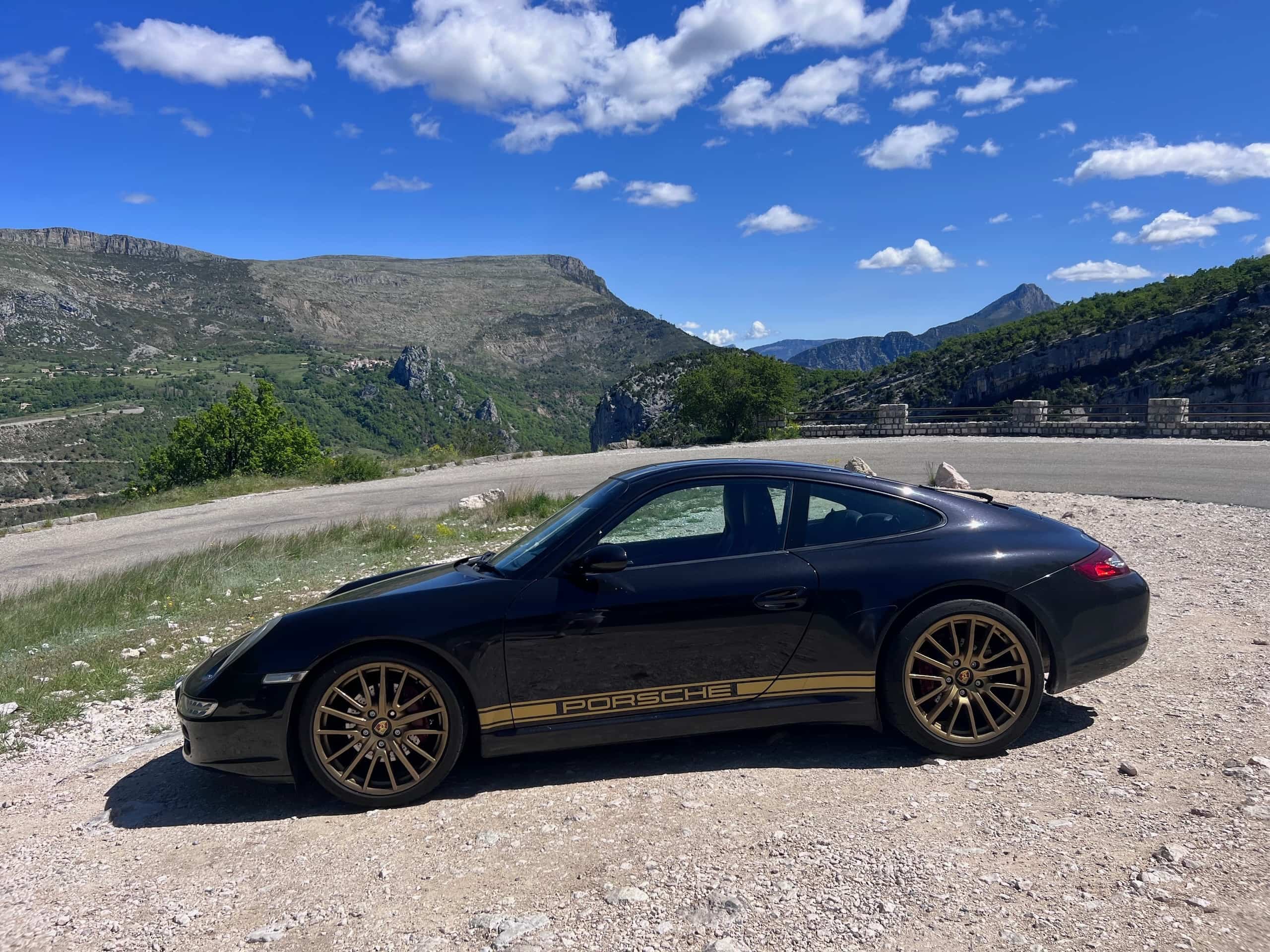
If there was one day that justified bringing the 911 all the way to the South of France, this was it.
We set off early from Saint-Raphaël, coffee consumed and fuel tank topped up, knowing we had one of France’s most famous driving roads ahead of us along with a full mountain loop that would take us through canyons, forests and some of the prettiest countryside in Provence.
AUTHOR
Dave
CATEGORY
POSTED ON
15th February 2026
reading time
8 minutes
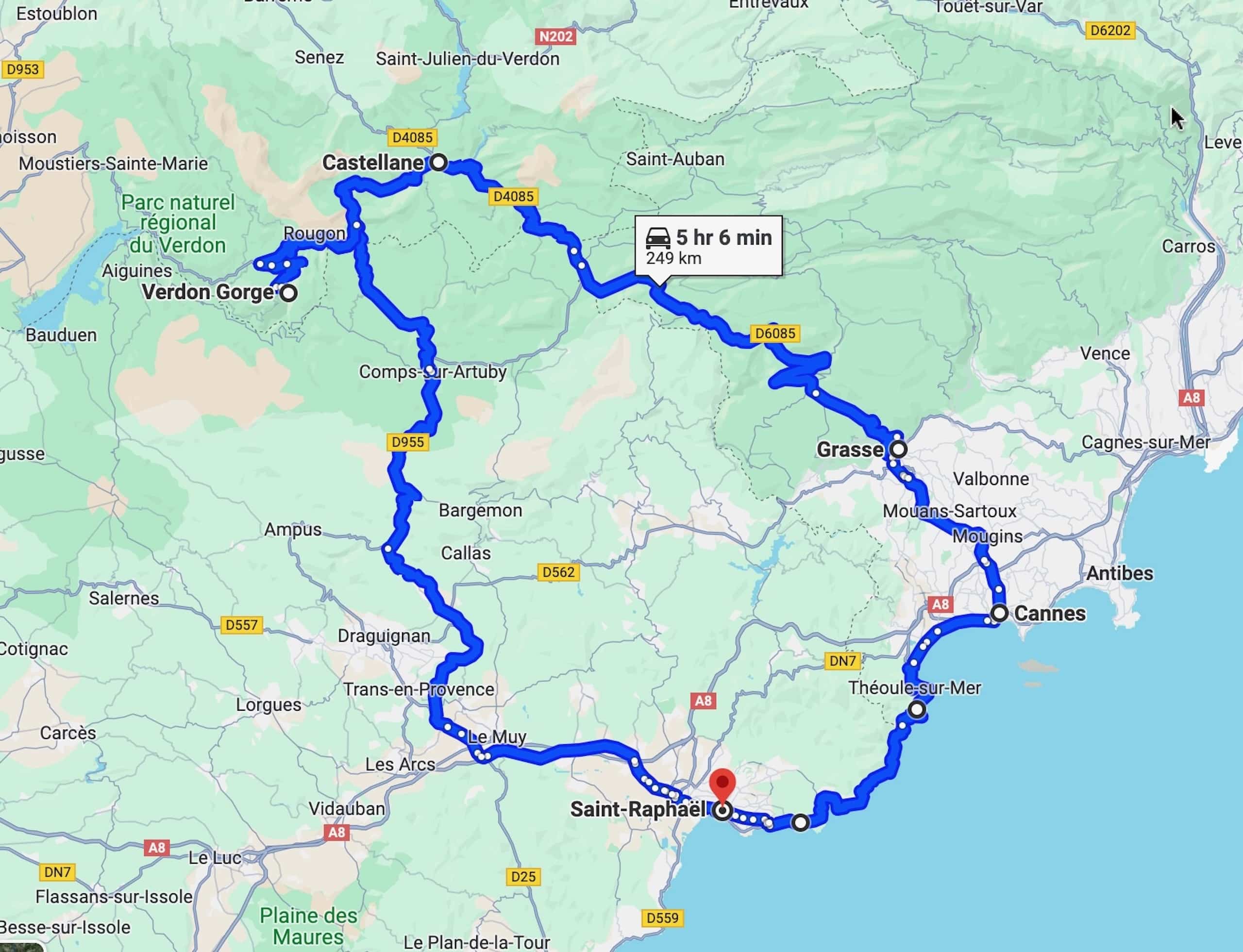
The route would cover roughly 250km and, on paper, around five hours of driving. In reality, it would take us most of the day.
Start / Finish: Saint-Raphaël (loop)
Distance / Time: ~249 km / ~5 hrs driving (allow a full day with stops)
Main Roads (in order driven):
- D7 / D562 (Saint-Raphaël → Le Muy inland climb)
- D955 (Le Muy → Comps-sur-Artuby)
- D952 (Verdon Gorge rim roads toward Castellane)
- D6085 / D6185 (Castellane → Route Napoléon southbound → Grasse)
- D2562 / local descent roads (Grasse → Cannes)
- D6098 (Cannes → coastal return toward Saint-Raphaël)
Tip: Driving the loop this way means tackling the tighter Verdon sections earlier in the day, then enjoying the flowing southbound Route Napoléon descent toward the Riviera — arguably the more satisfying direction.
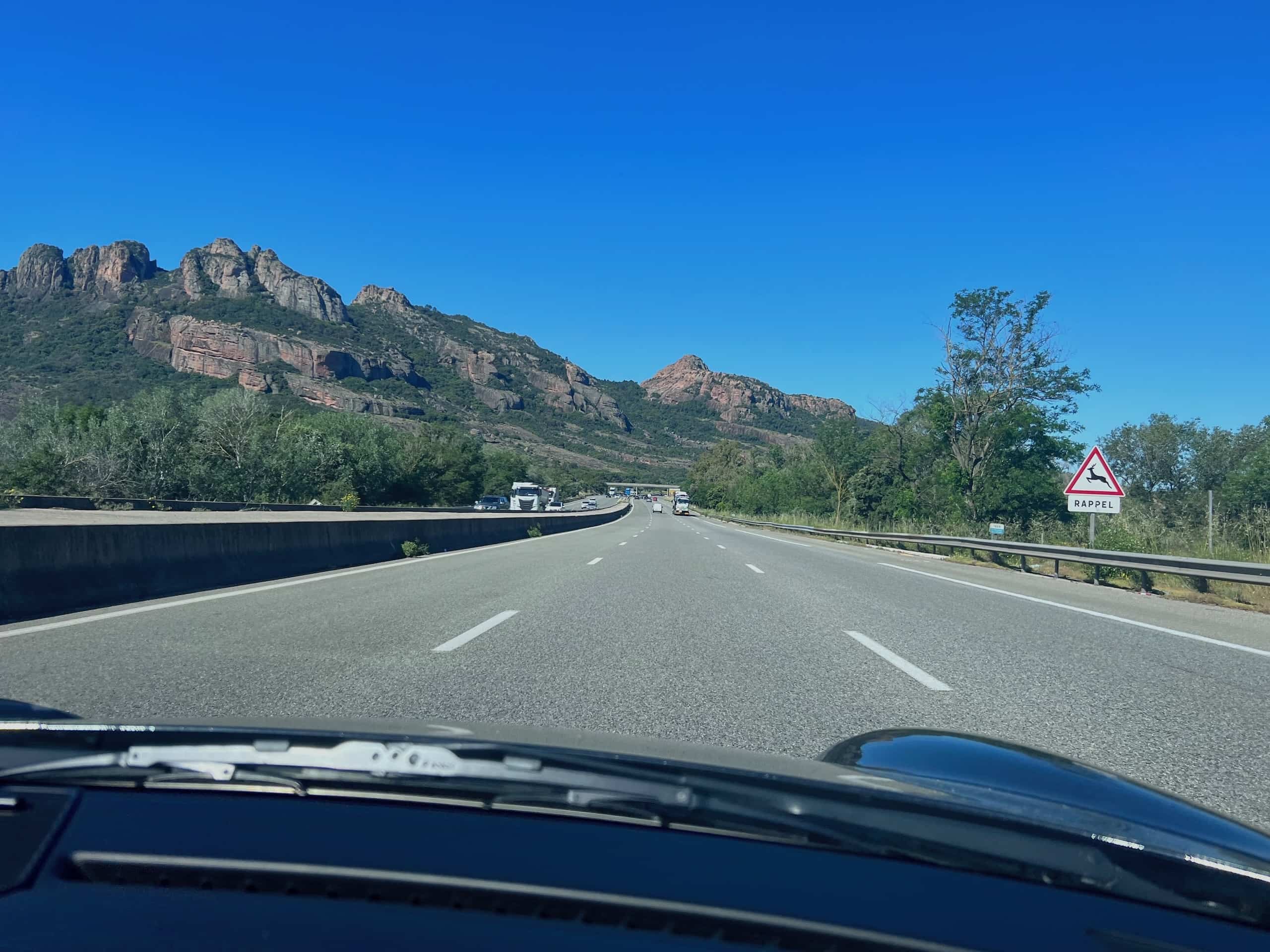
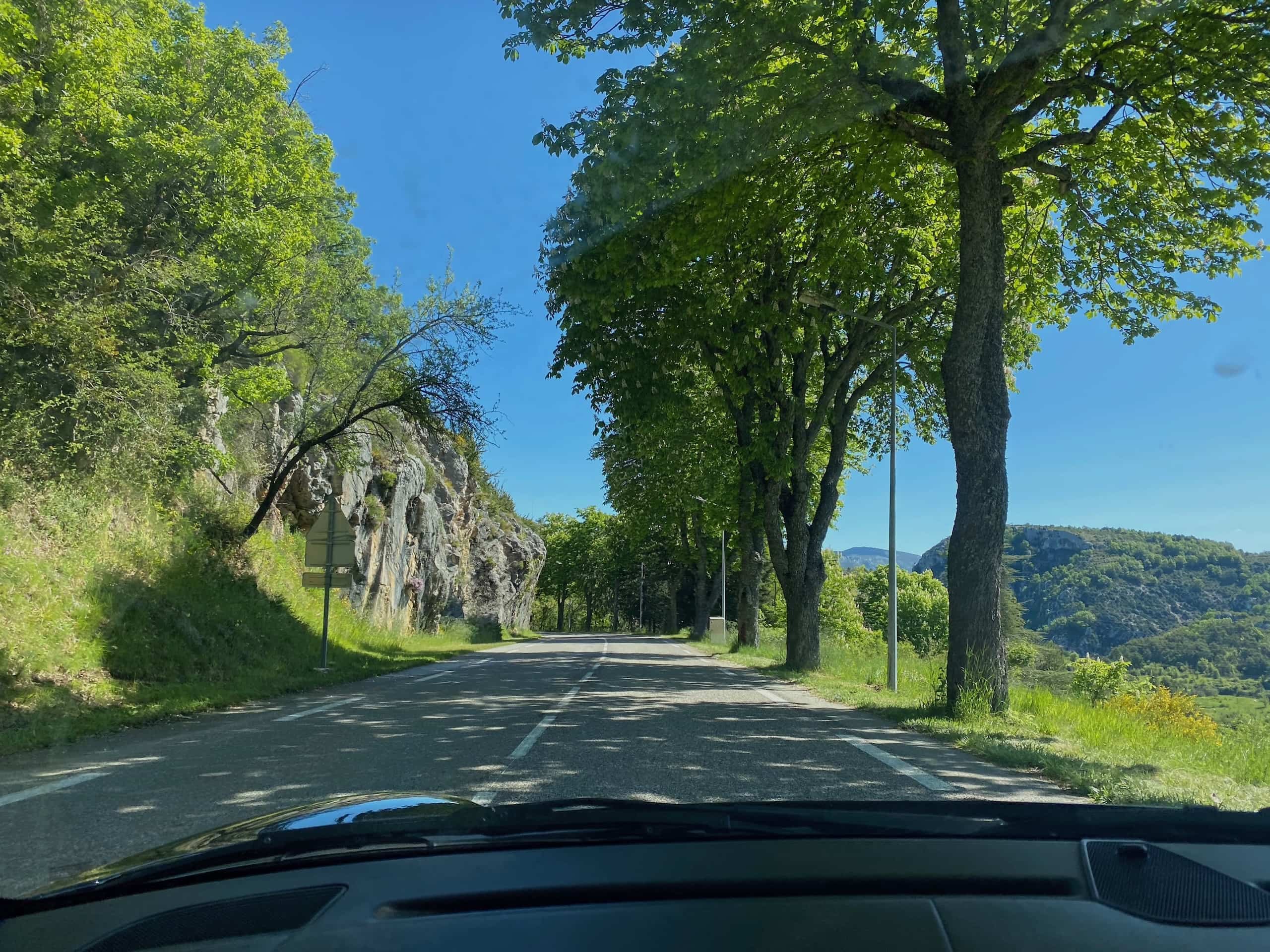
Climbing Inland from the Coast
We left Saint-Raphaël early, heading north rather than east this time, trading the Mediterranean for forests and rolling countryside almost immediately.
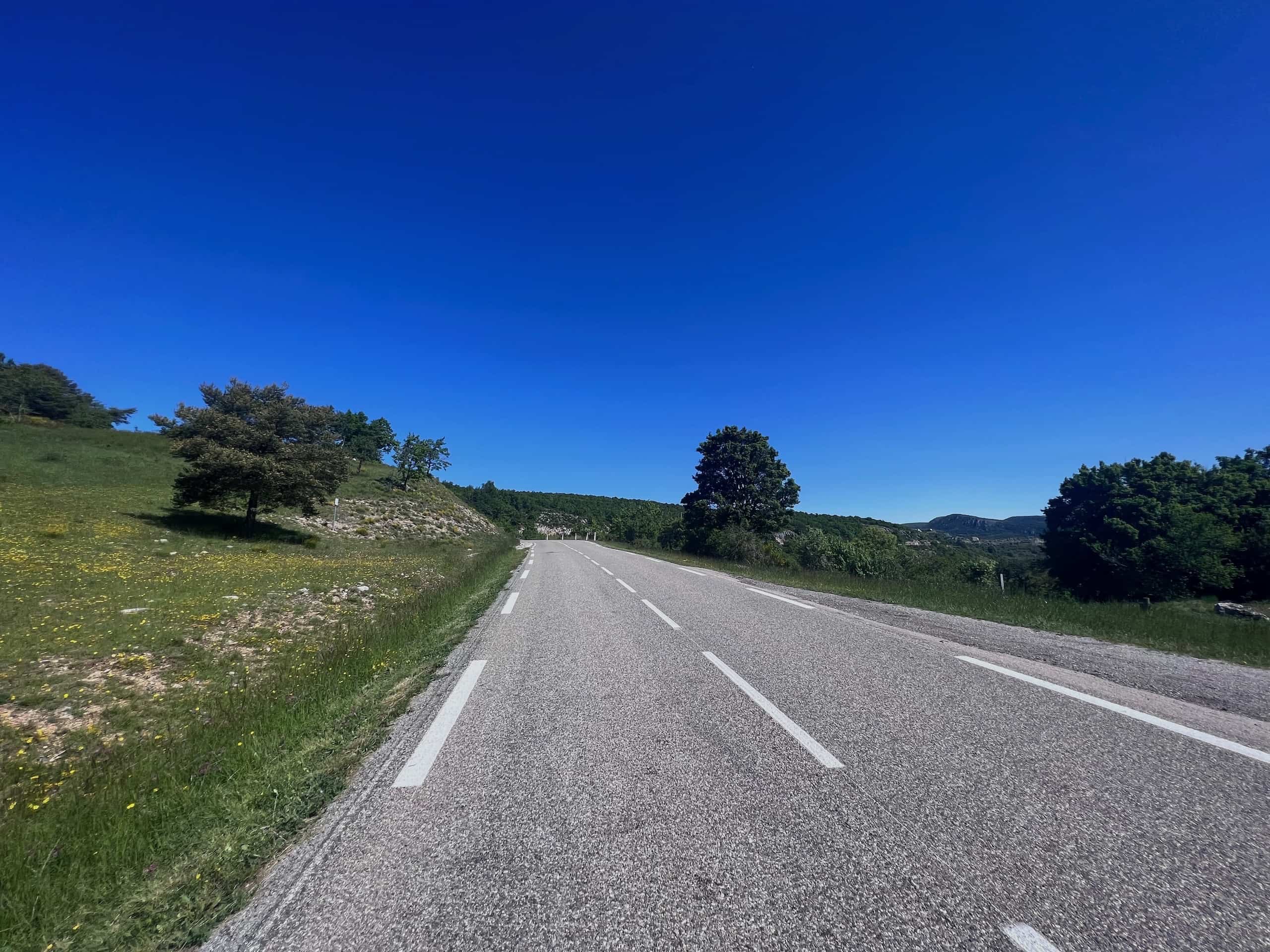
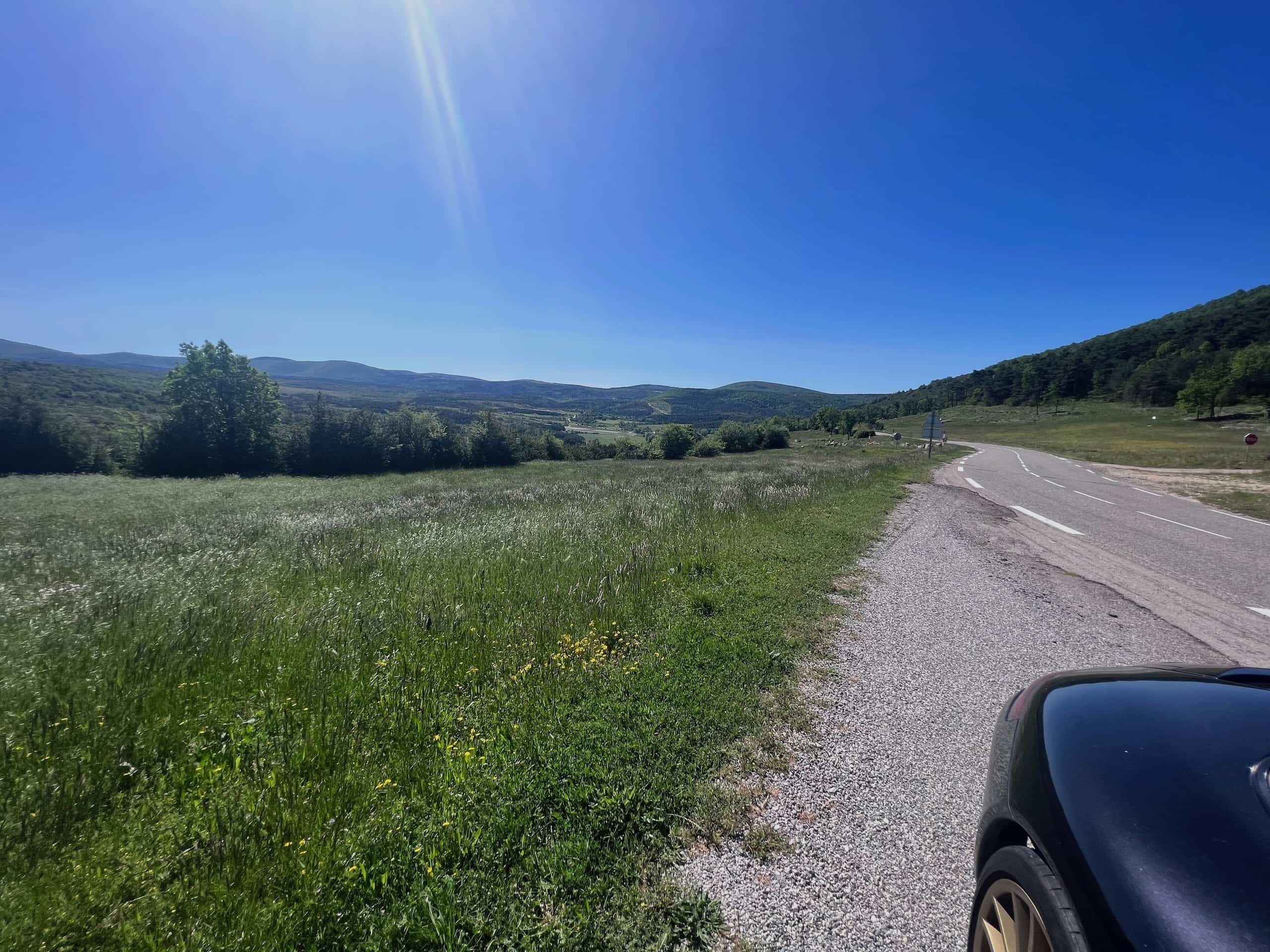
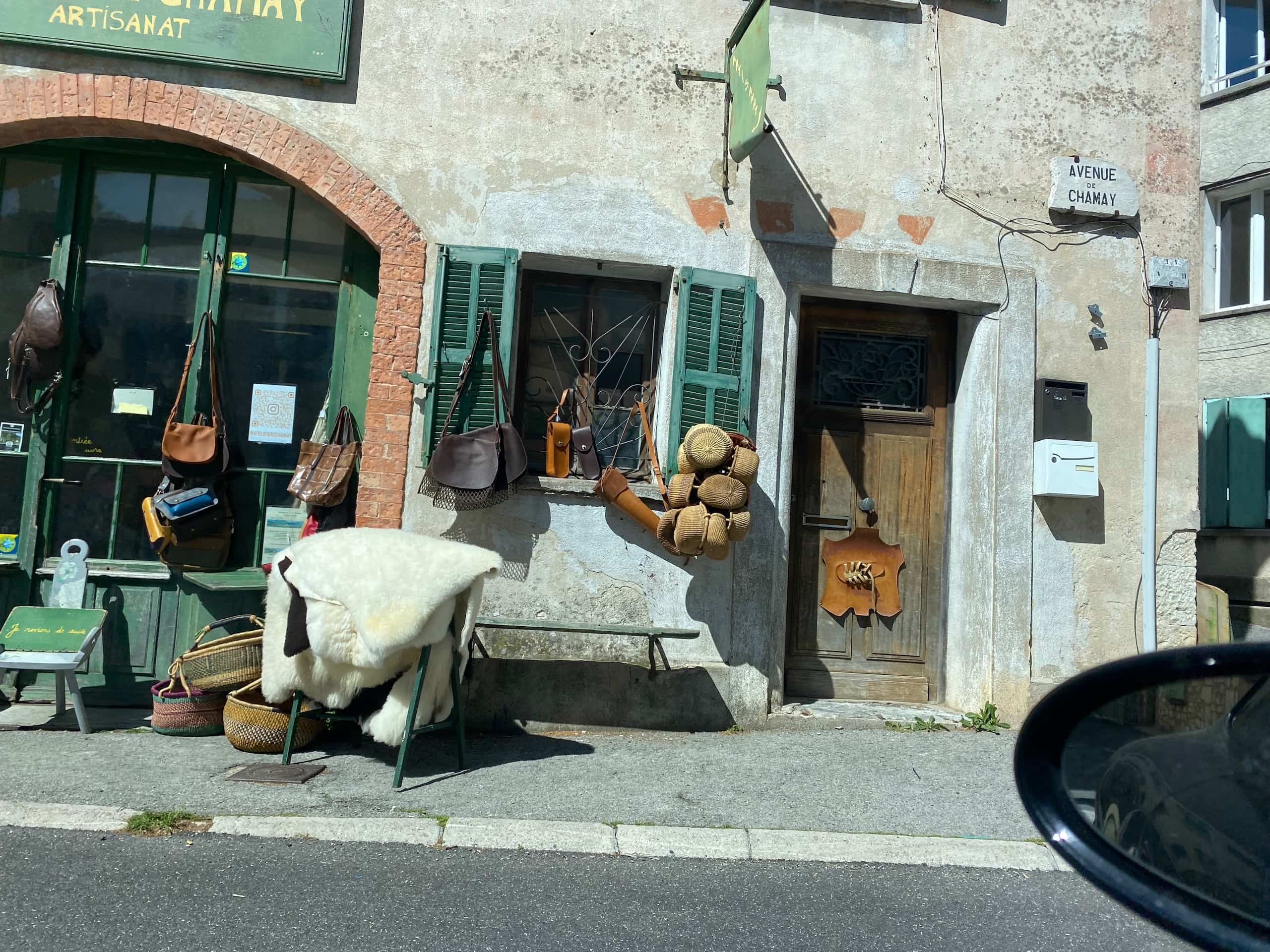
The road out through Le Muy and up toward Comps-sur-Artuby is one of those stretches that eases you into the day gently. It’s not dramatic at first — just open Provençal countryside, vineyards, long bends and that particular southern French light that makes everything look slightly cinematic.
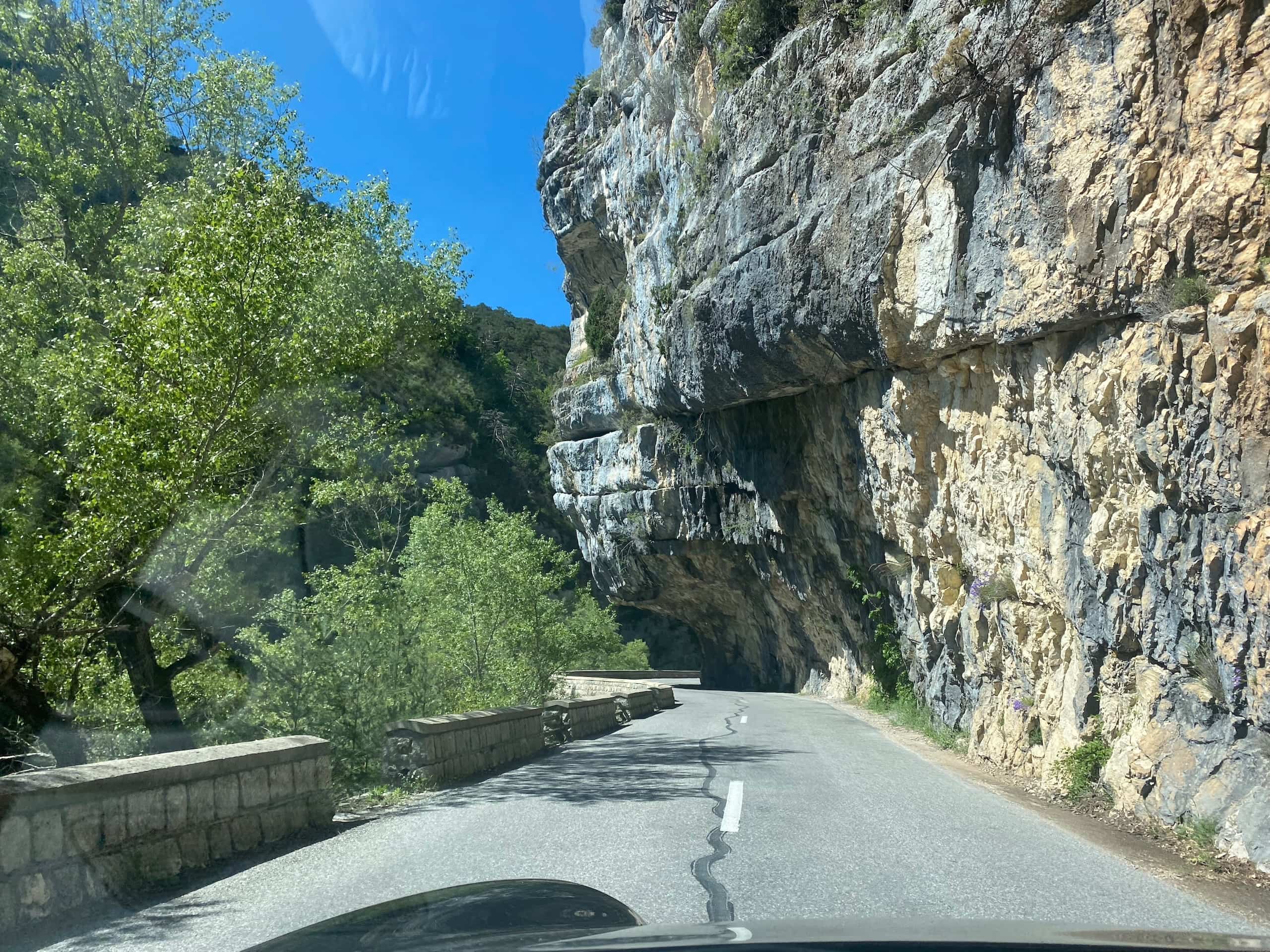
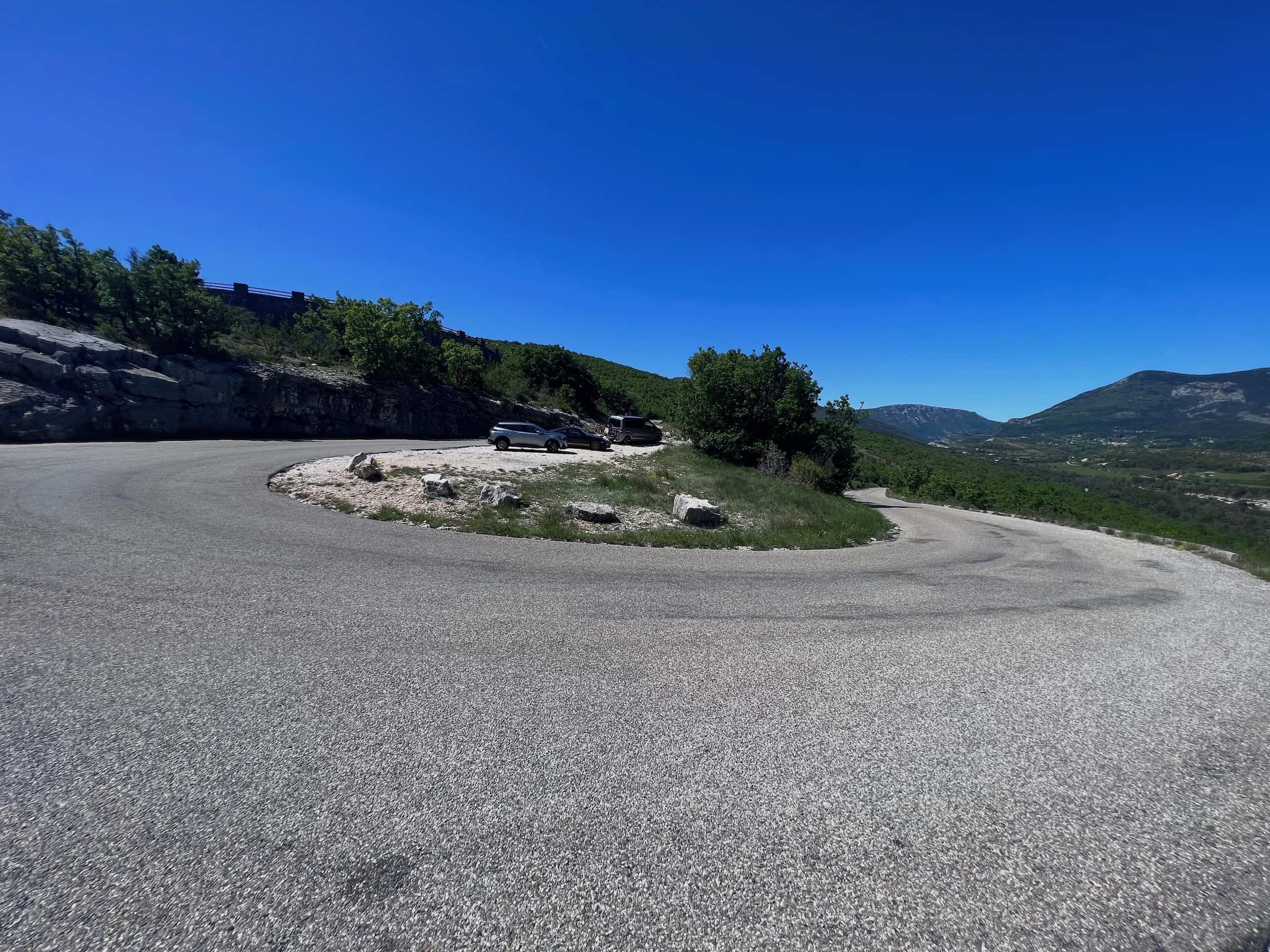
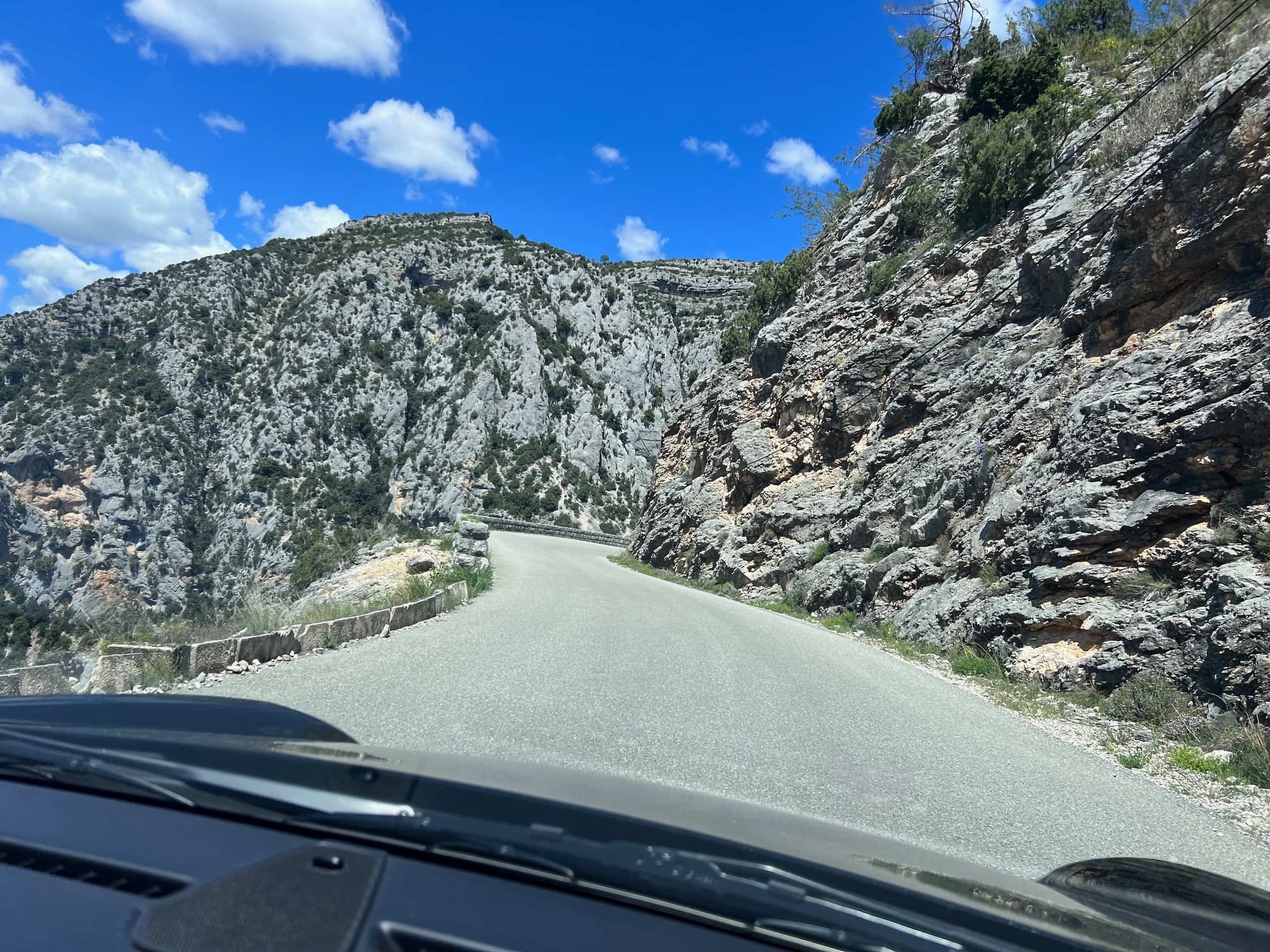
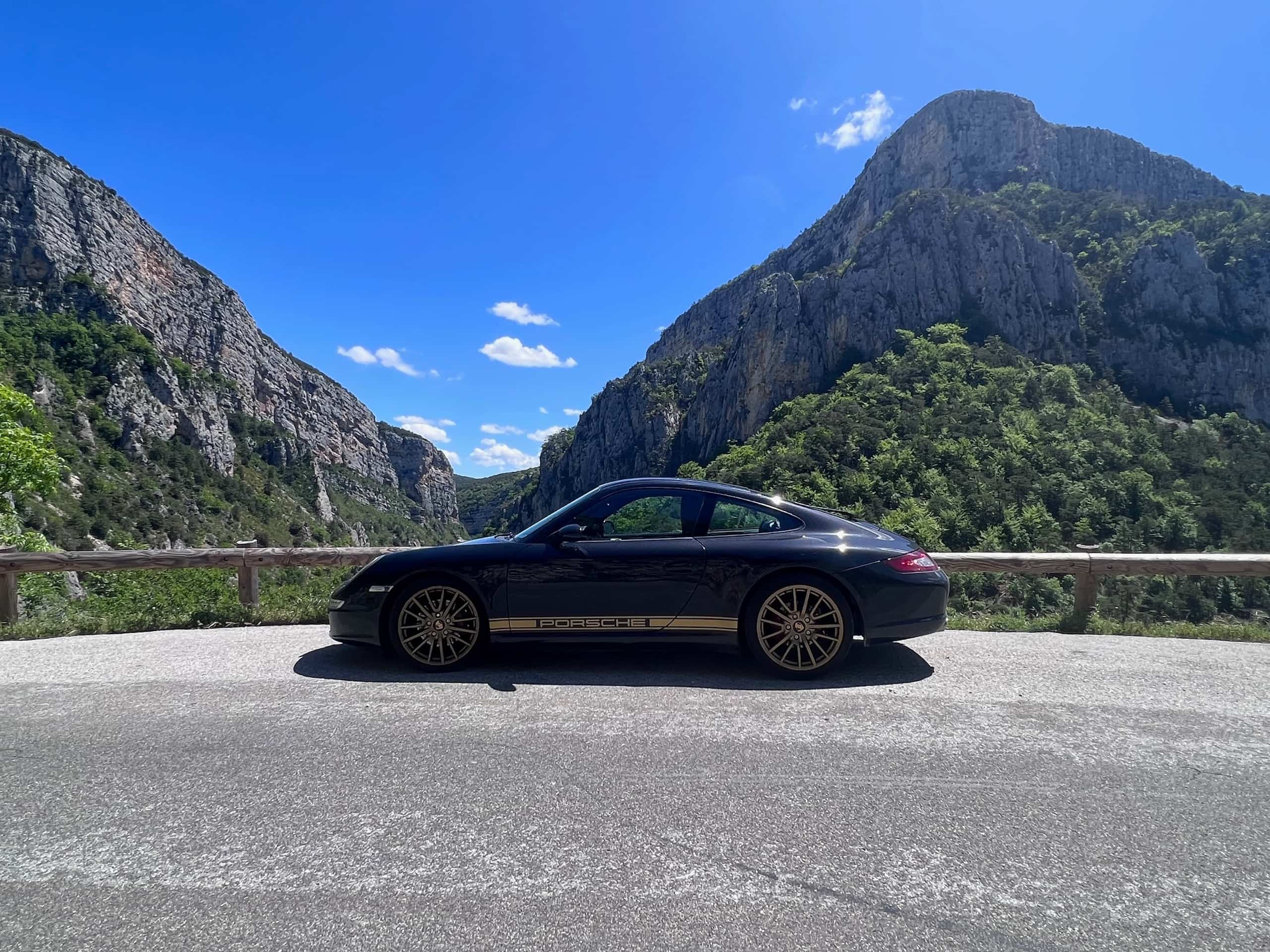
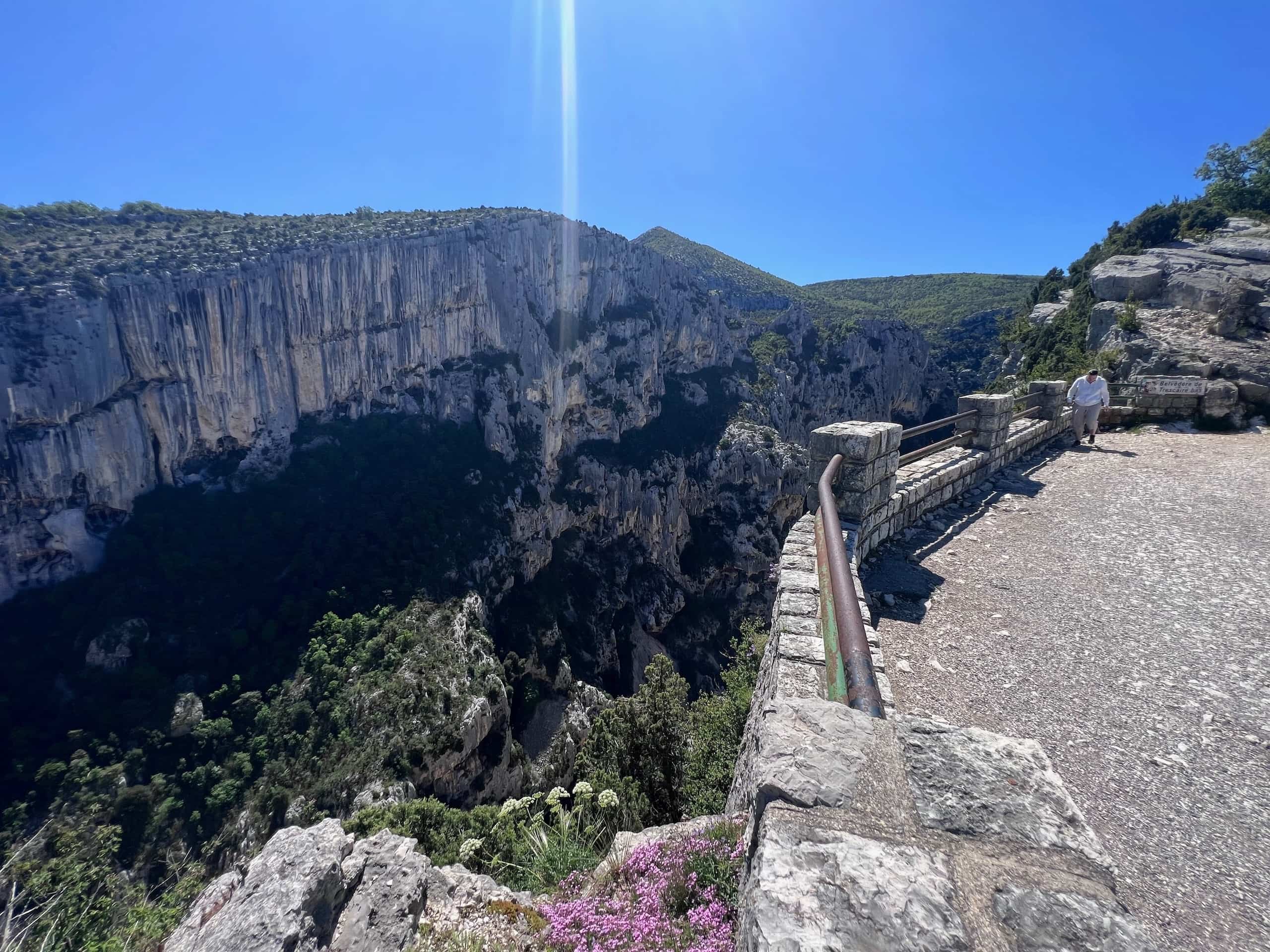
As we climbed higher, the roads began to tighten and the scenery became more rugged. By the time we approached the Gorges du Verdon, the landscape had shifted entirely into limestone cliffs, deep valleys and winding sections that demand a bit more attention from both driver and passenger.
There’s something about a naturally aspirated flat-six engine bouncing off mountain rock that never gets old.
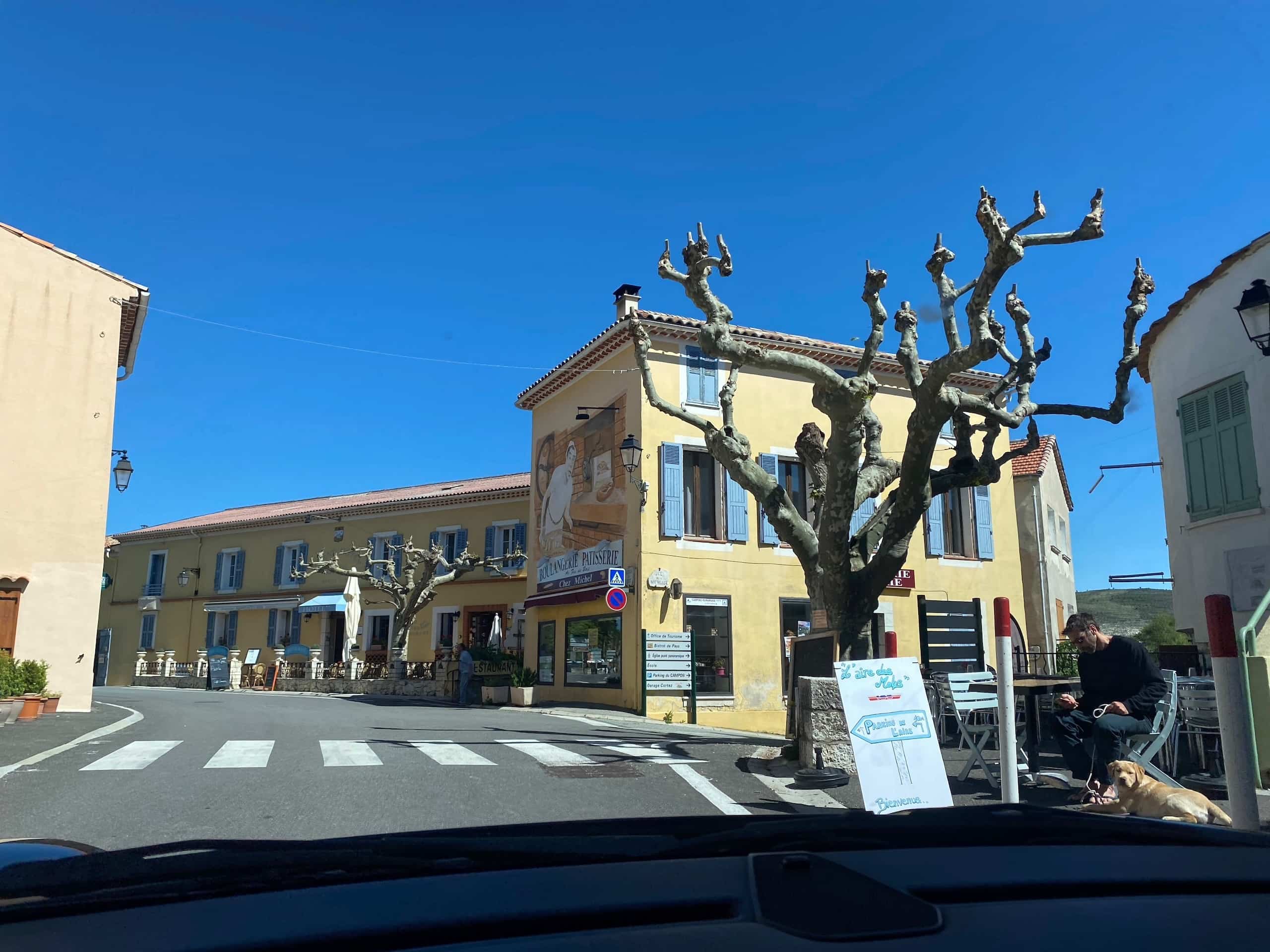
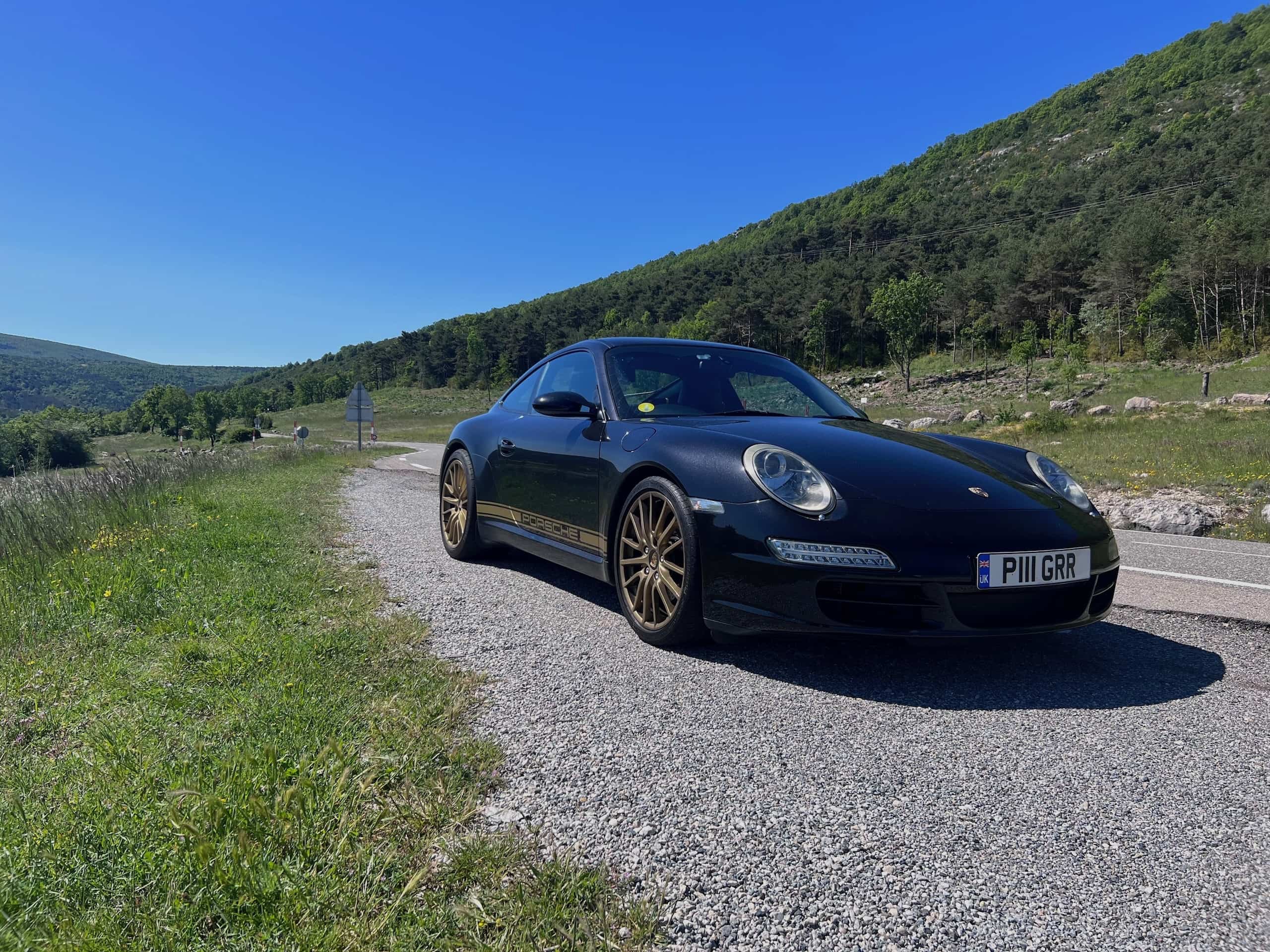
The Verdon Gorge
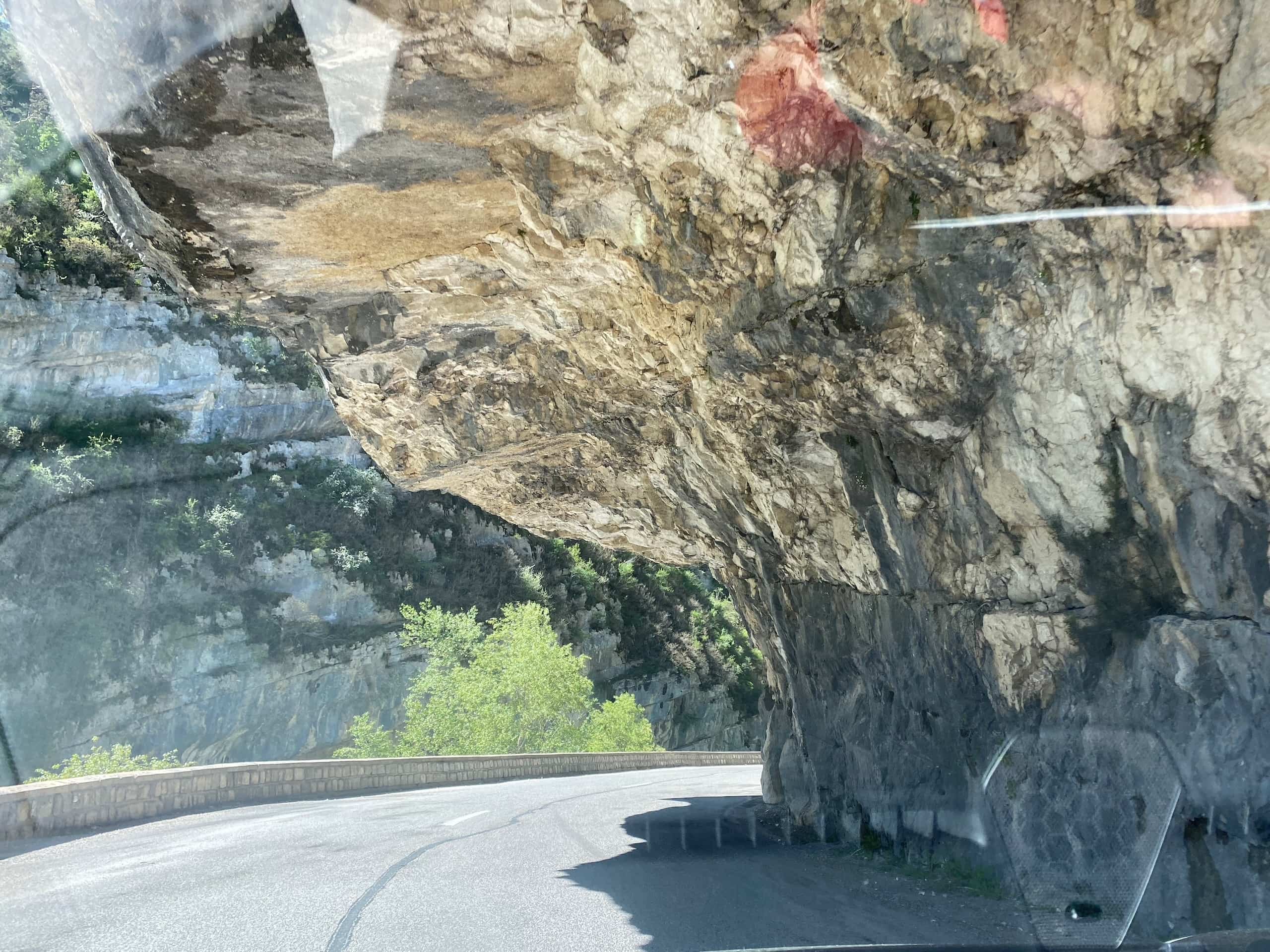
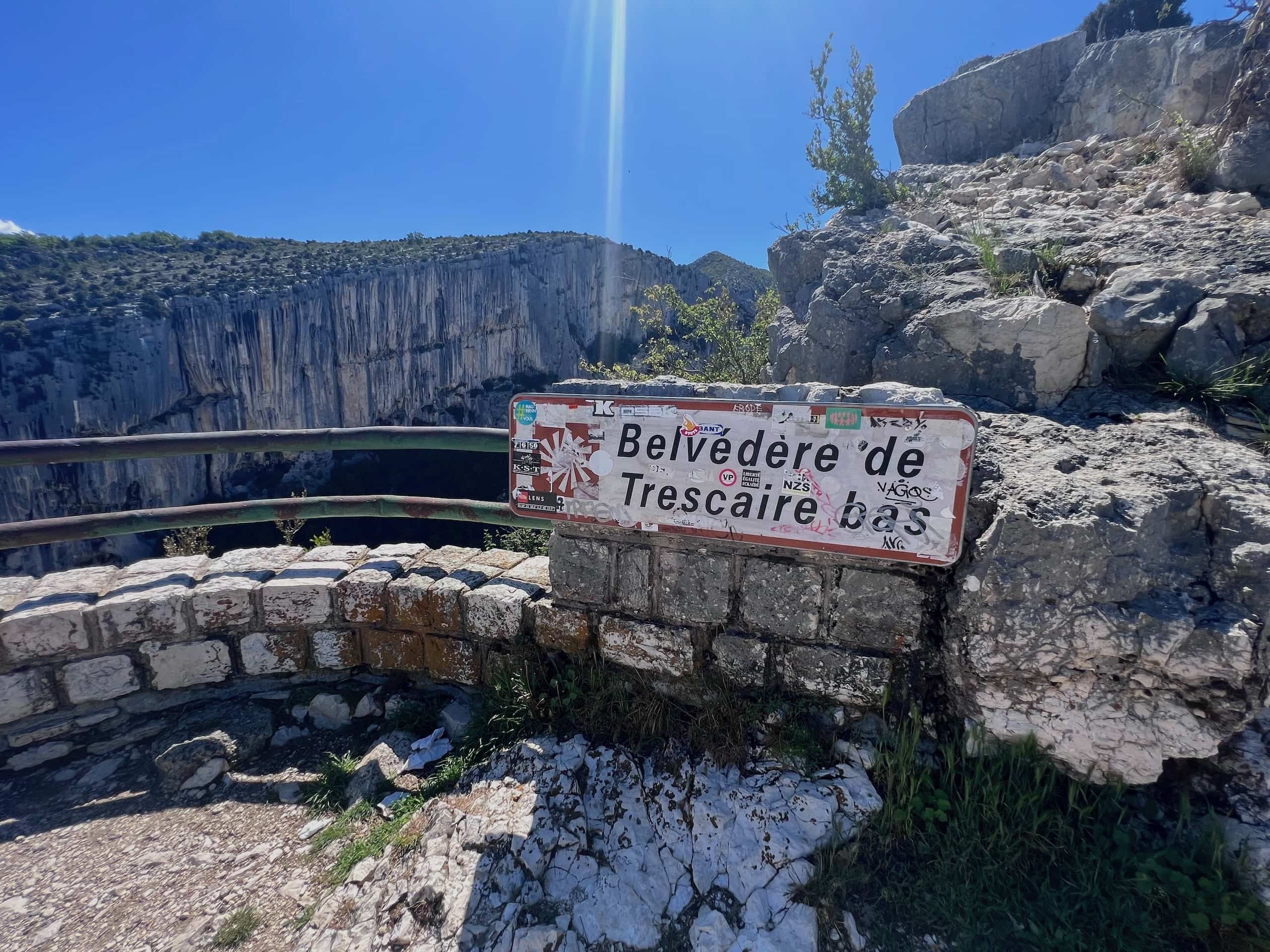
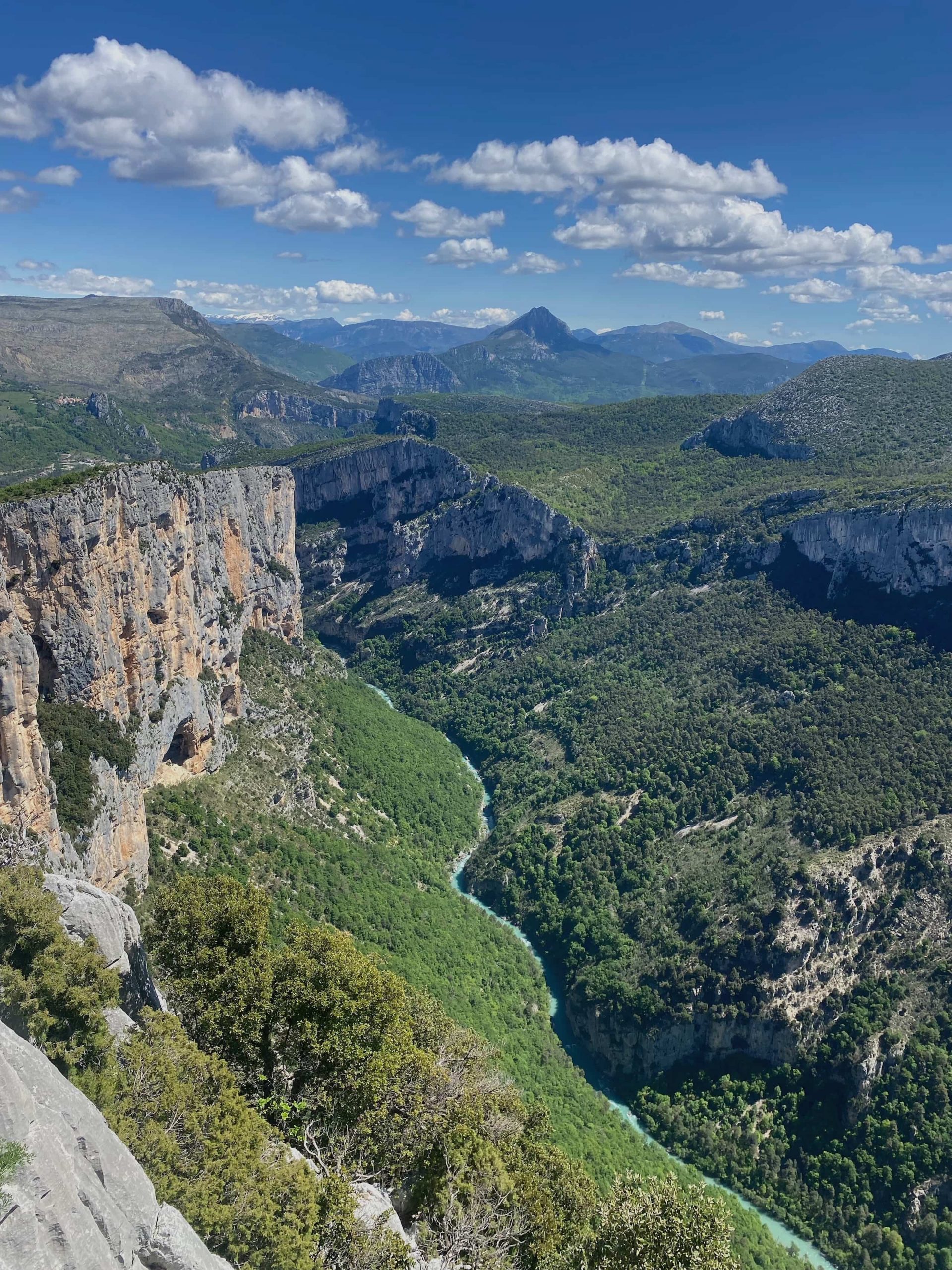
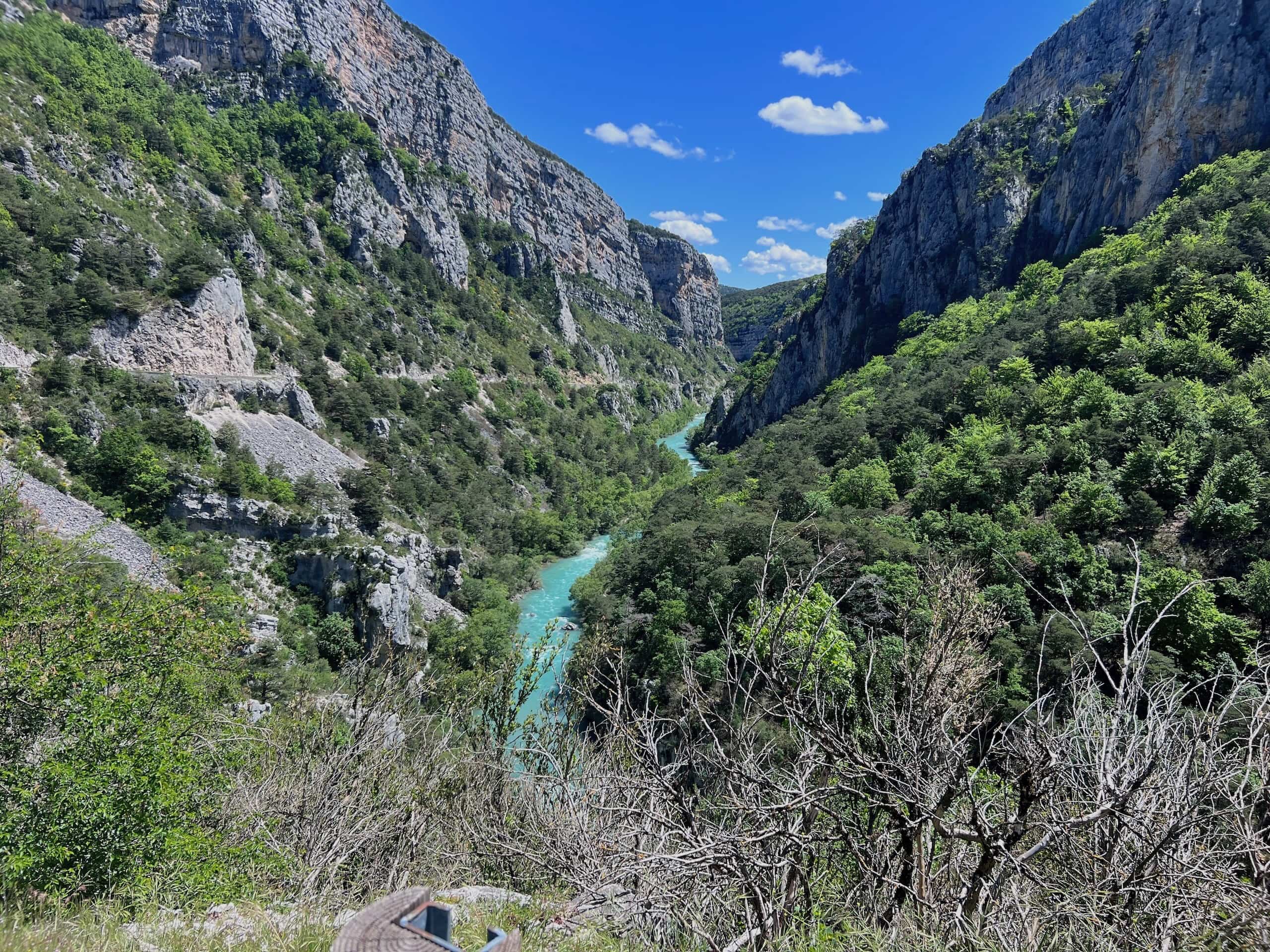
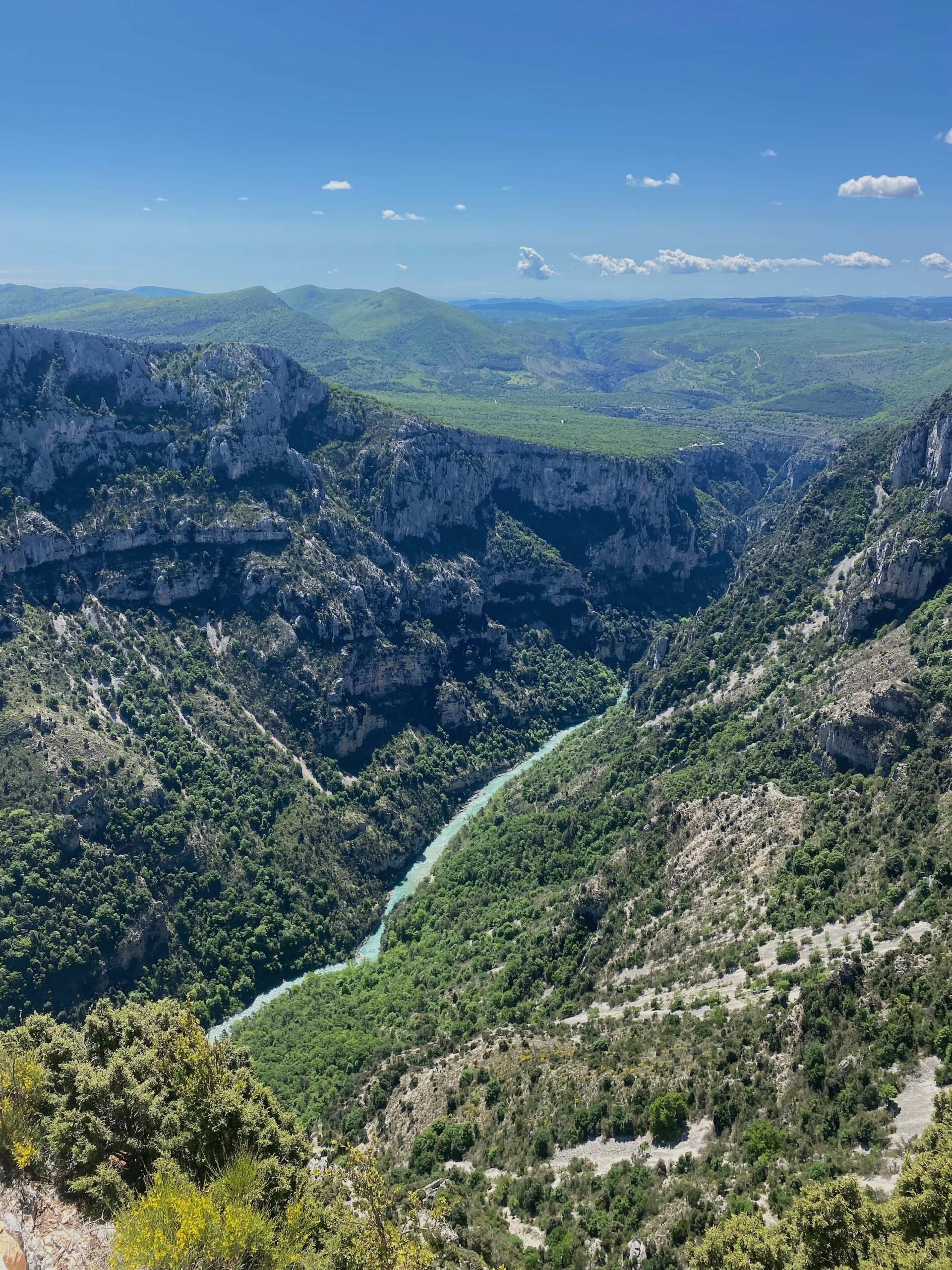
The Verdon Gorge is often described as Europe’s “Grand Canyon”, carved by the vivid turquoise Verdon River over thousands of years. The cliffs rise dramatically in places to over 700 metres, and the roads that skirt the rim cling to the rock face in a way that feels both exhilarating and faintly ridiculous.
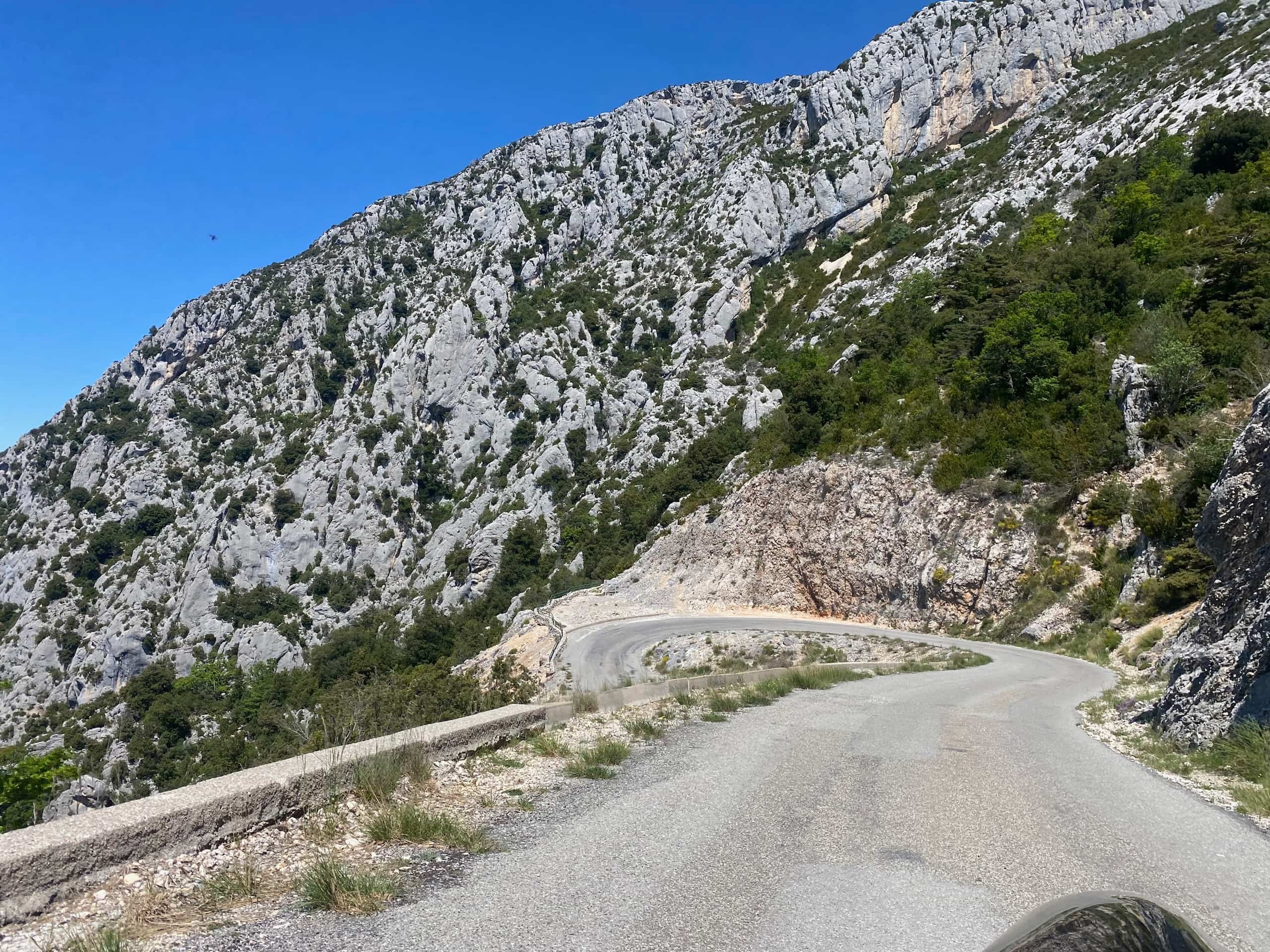
We looped west toward La Palud-sur-Verdon and Rougon, taking in sections of the famous corniche roads that cling to the cliff edges. These are narrower, tighter, more technical roads than the roads the brought us here, less about flow and more about precision. It’s the kind of place where you naturally slow down — partly for safety, partly because you keep wanting to glance sideways at the drop.
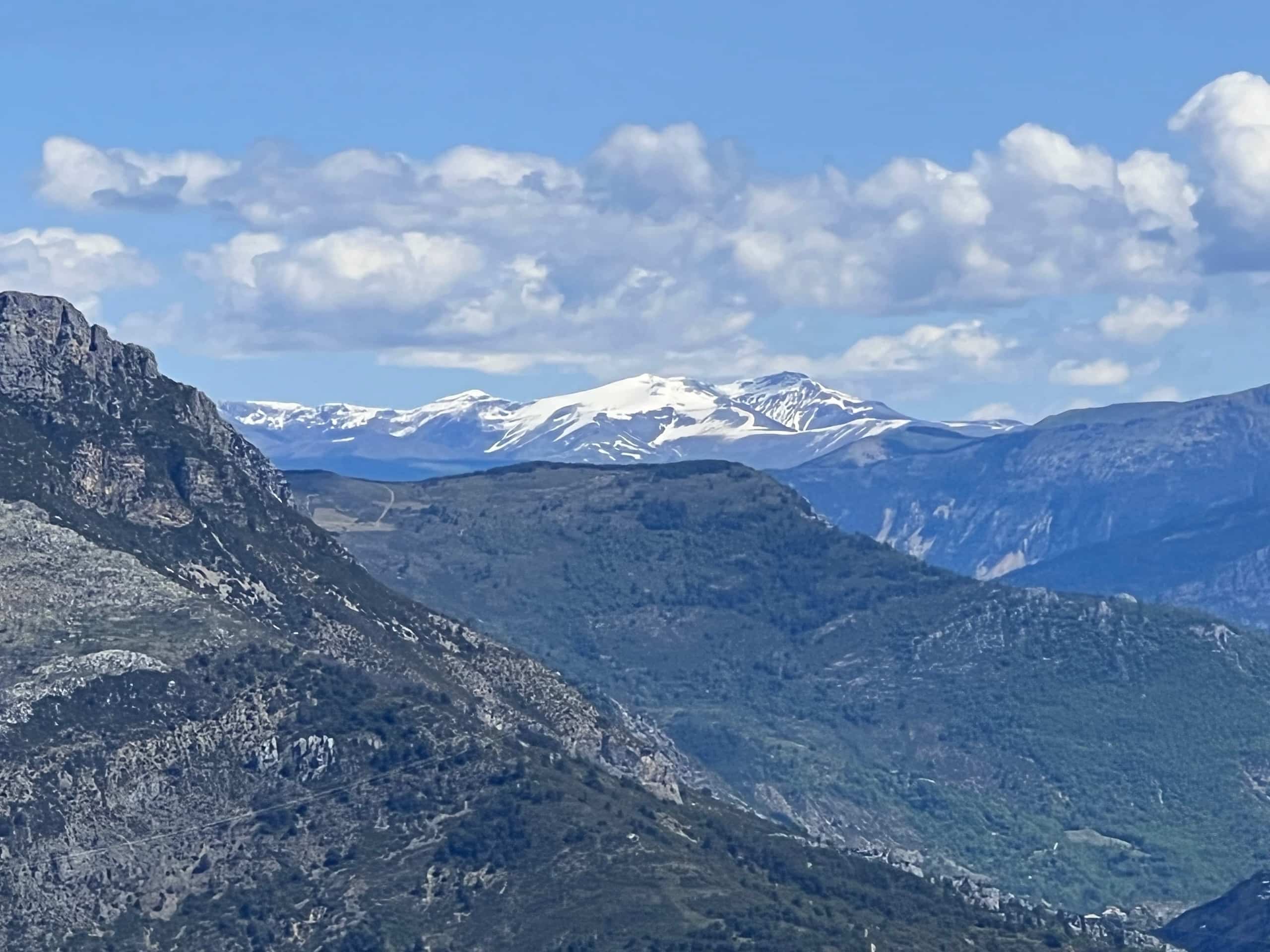
At several points we pulled over simply to take it in. Sheer drops, circling birds of prey, distant climbers on rock faces, and the river far below cutting through the canyon. It’s not just a great driving road — it’s a genuinely spectacular landscape.
After working our way along sections of the gorge roads, we pushed on toward Castellane, where we’d planned to stop for lunch.
Castellane & An Unexpected Porsche Gathering
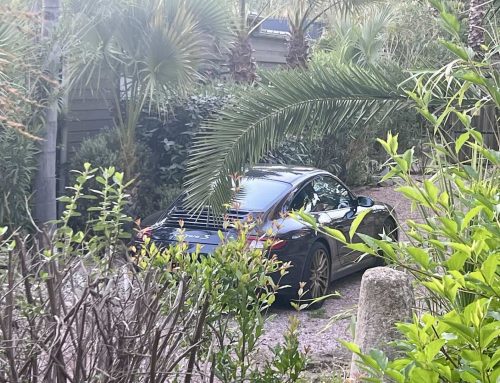
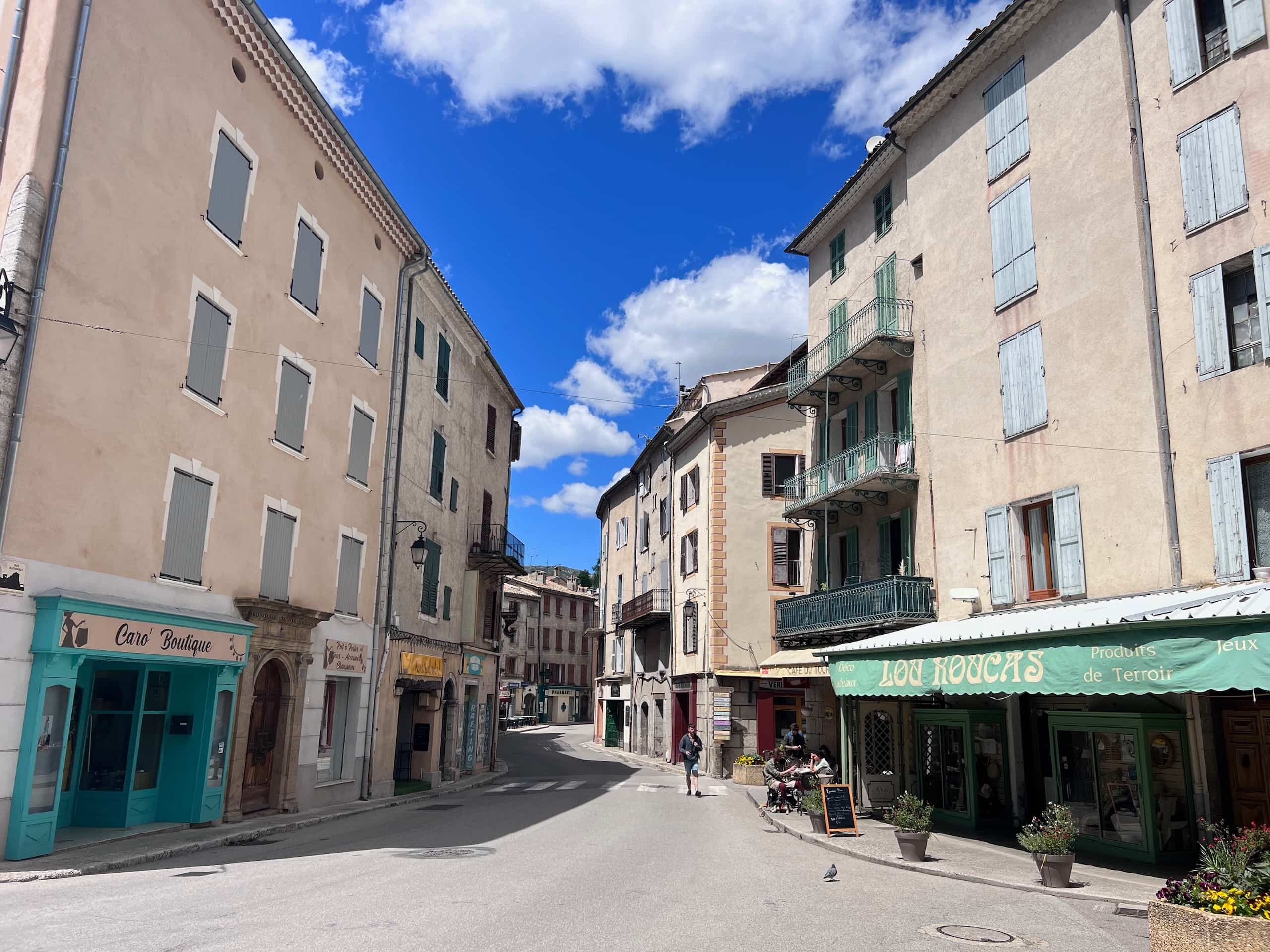
We rolled into Castellane and parked up in the main square, only to realise we’d inadvertently arrived in the middle of a local Porsche enthusiasts’ meet. Scattered around the square were various 911s, a few Boxsters and a handful of other classic cars, their owners chatting casually in the early afternoon sun.
It felt like we’d stumbled into exactly the right place.
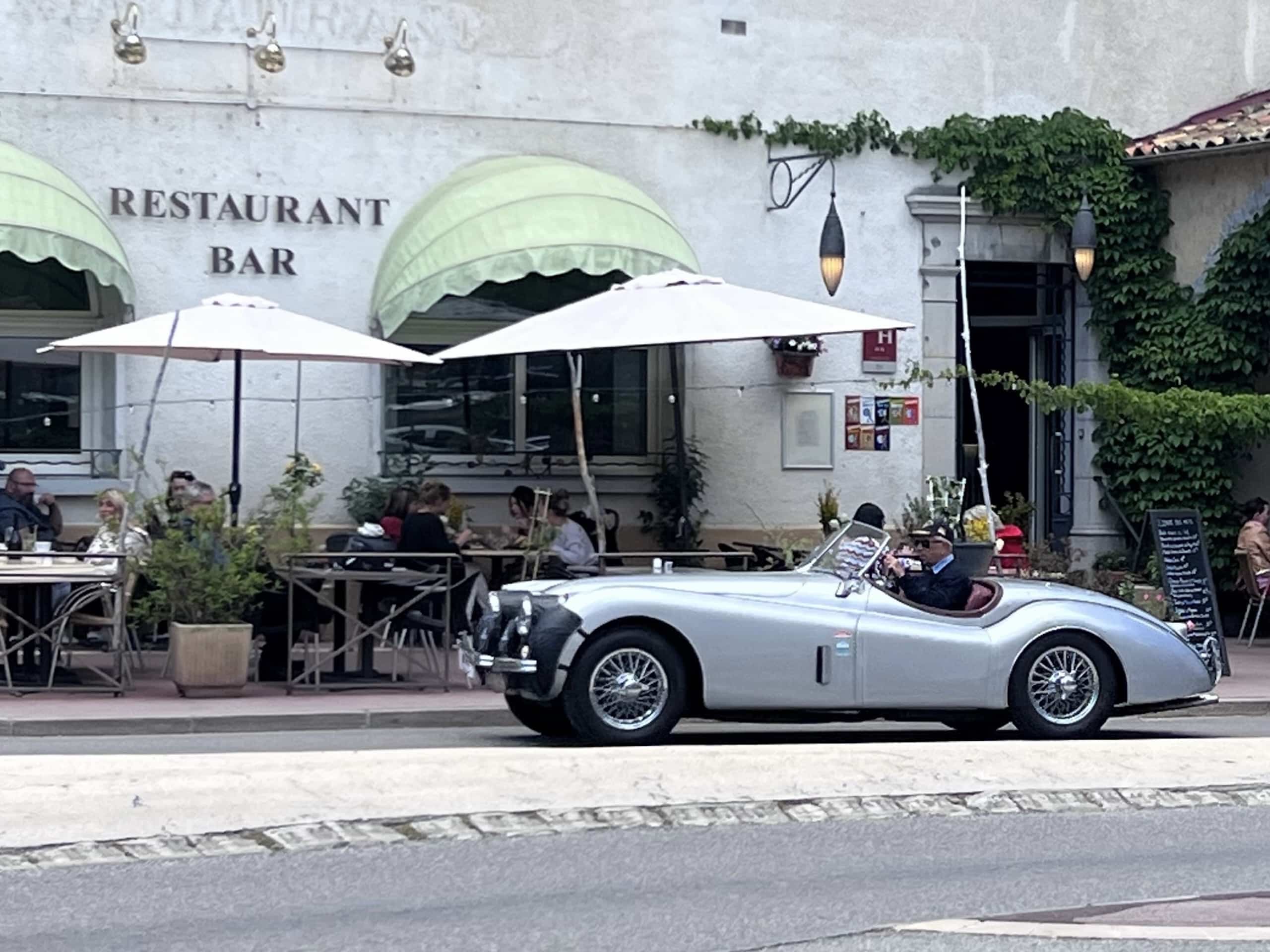
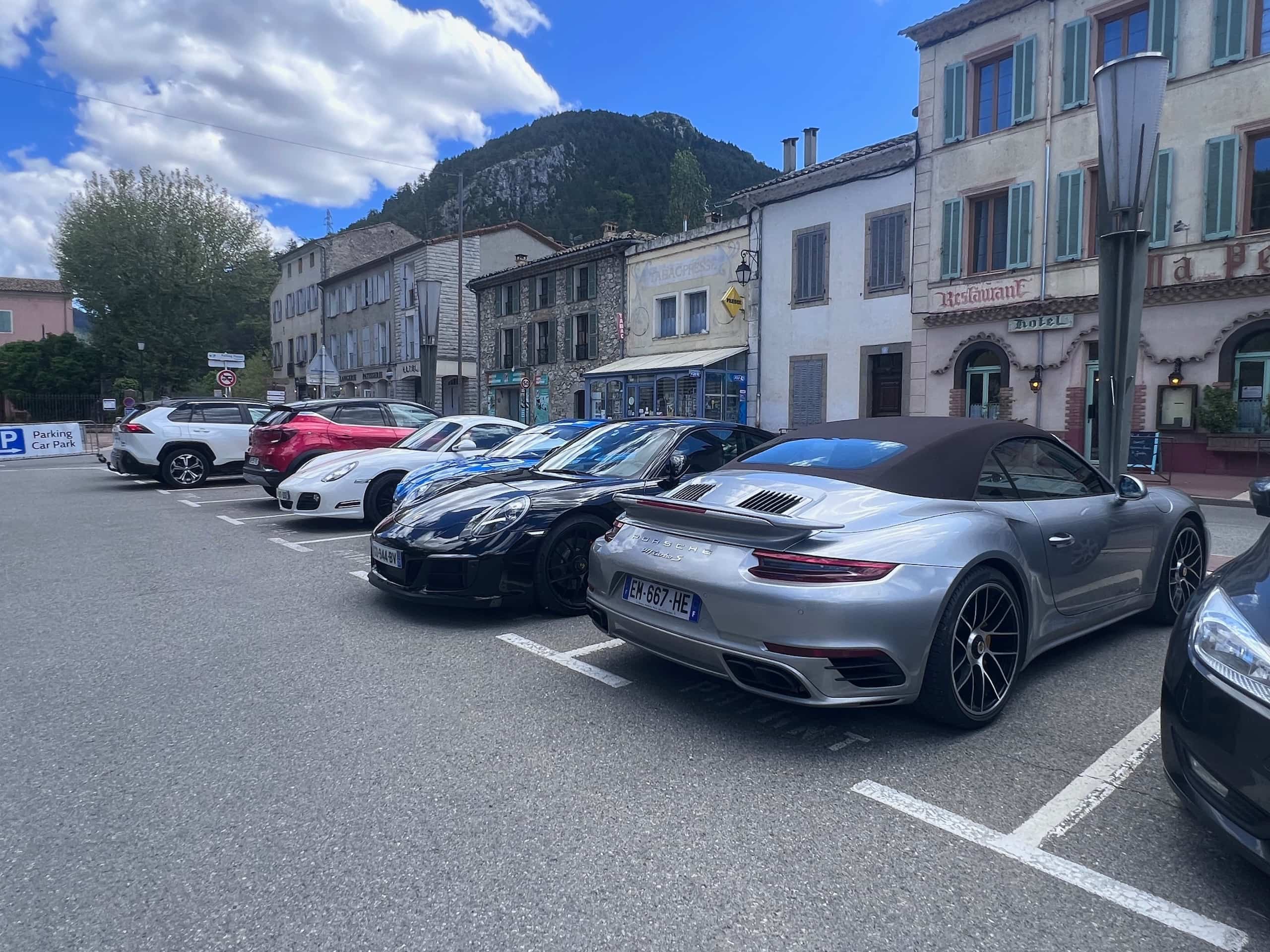
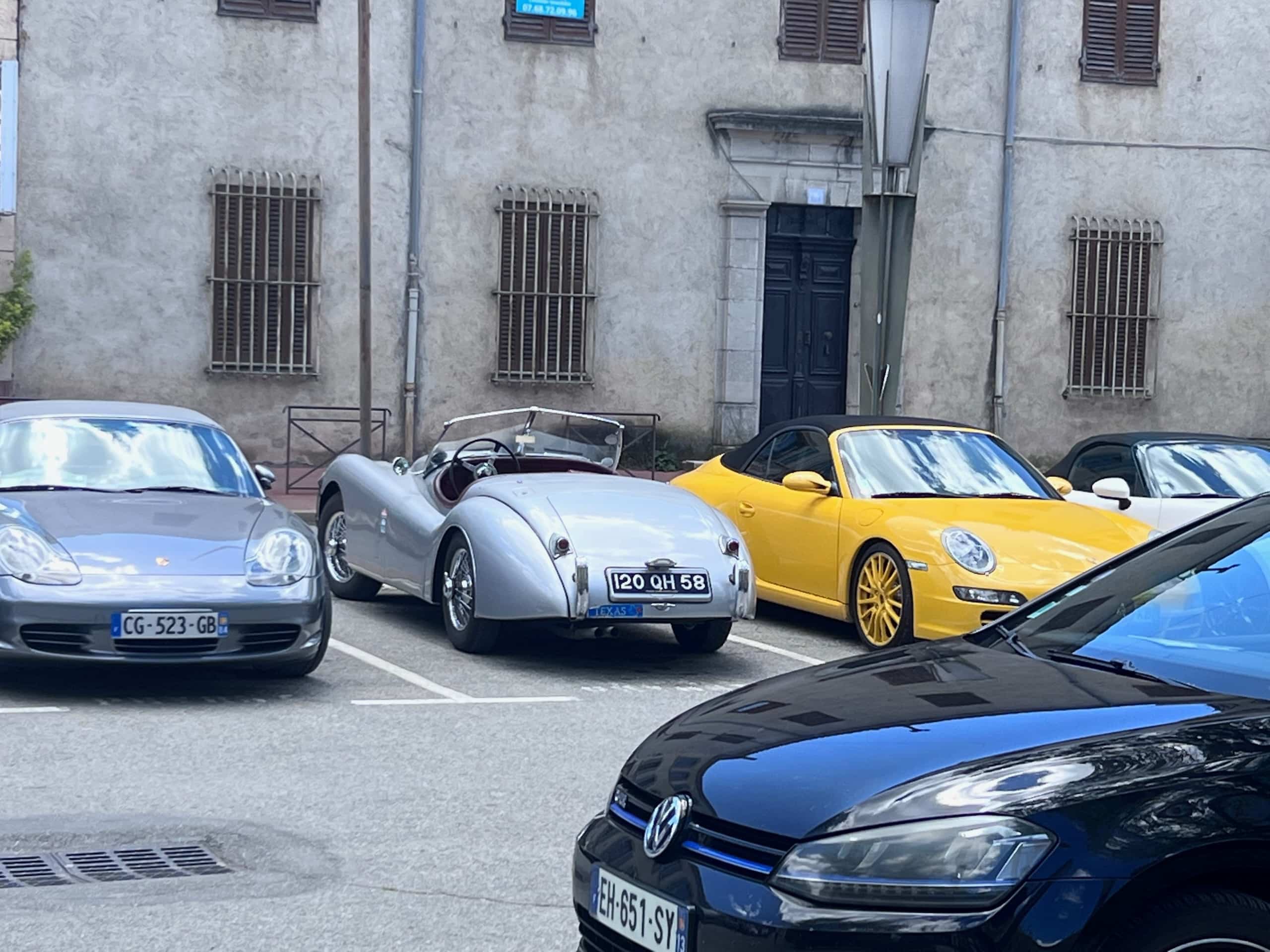
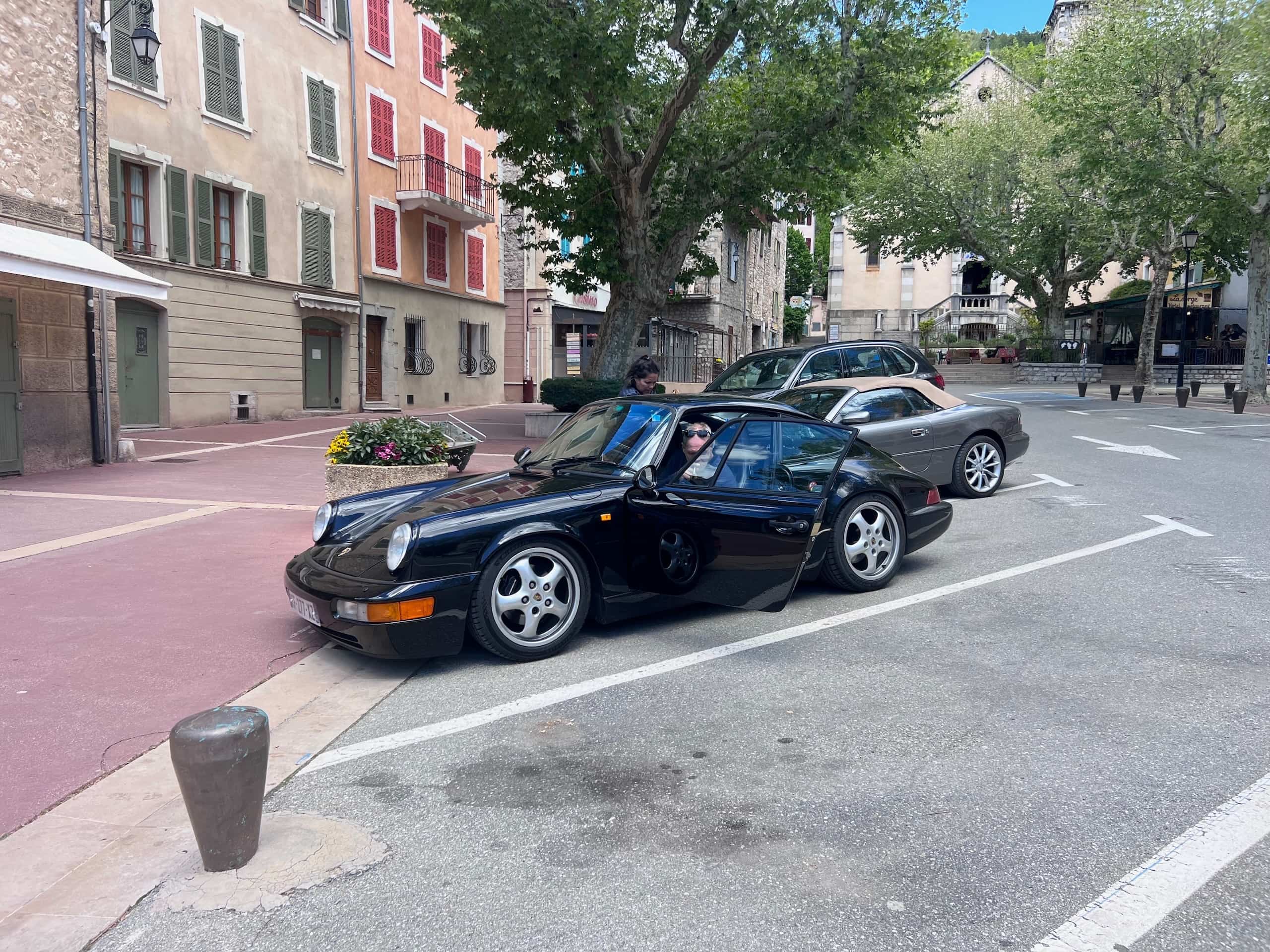
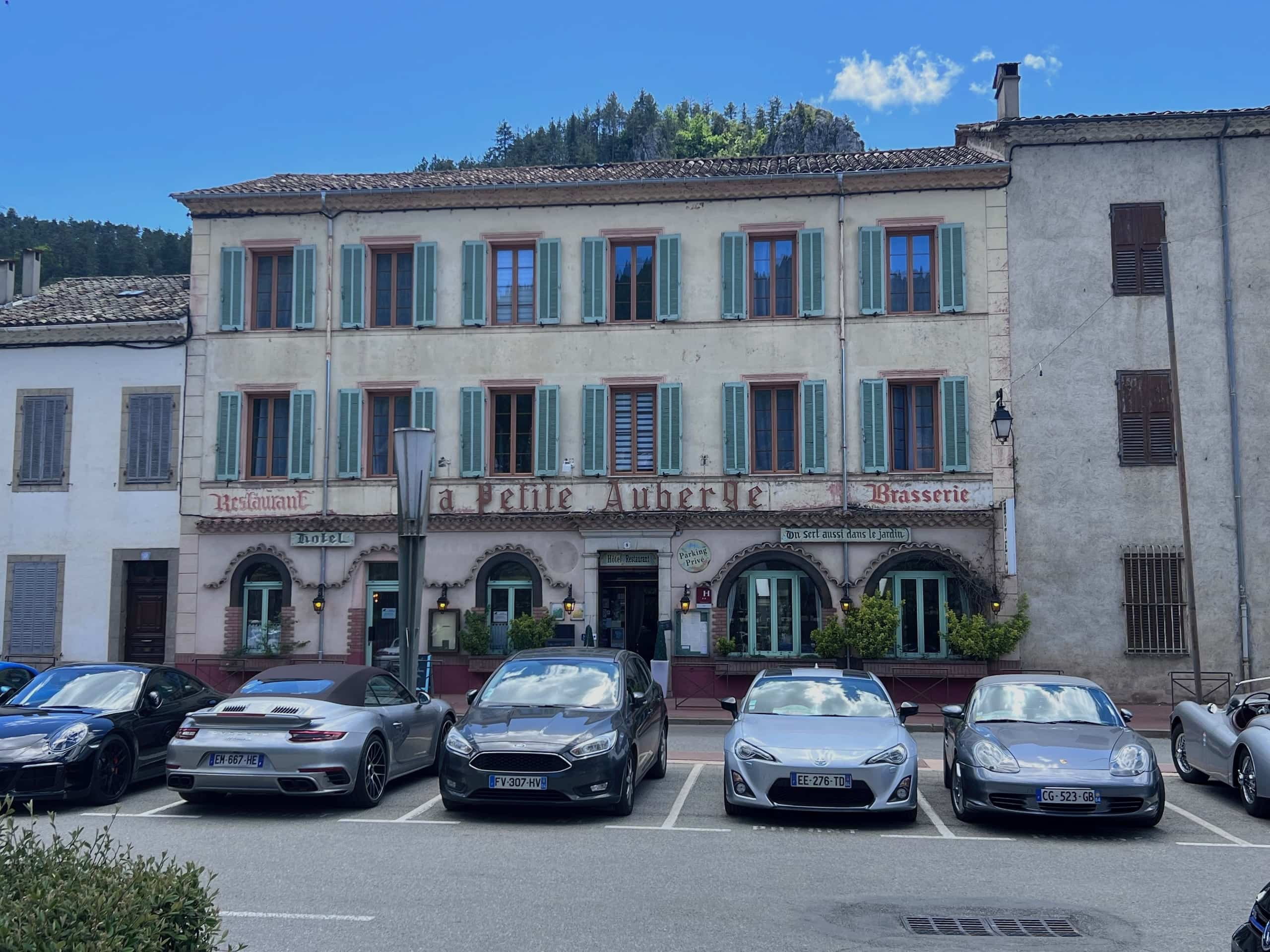
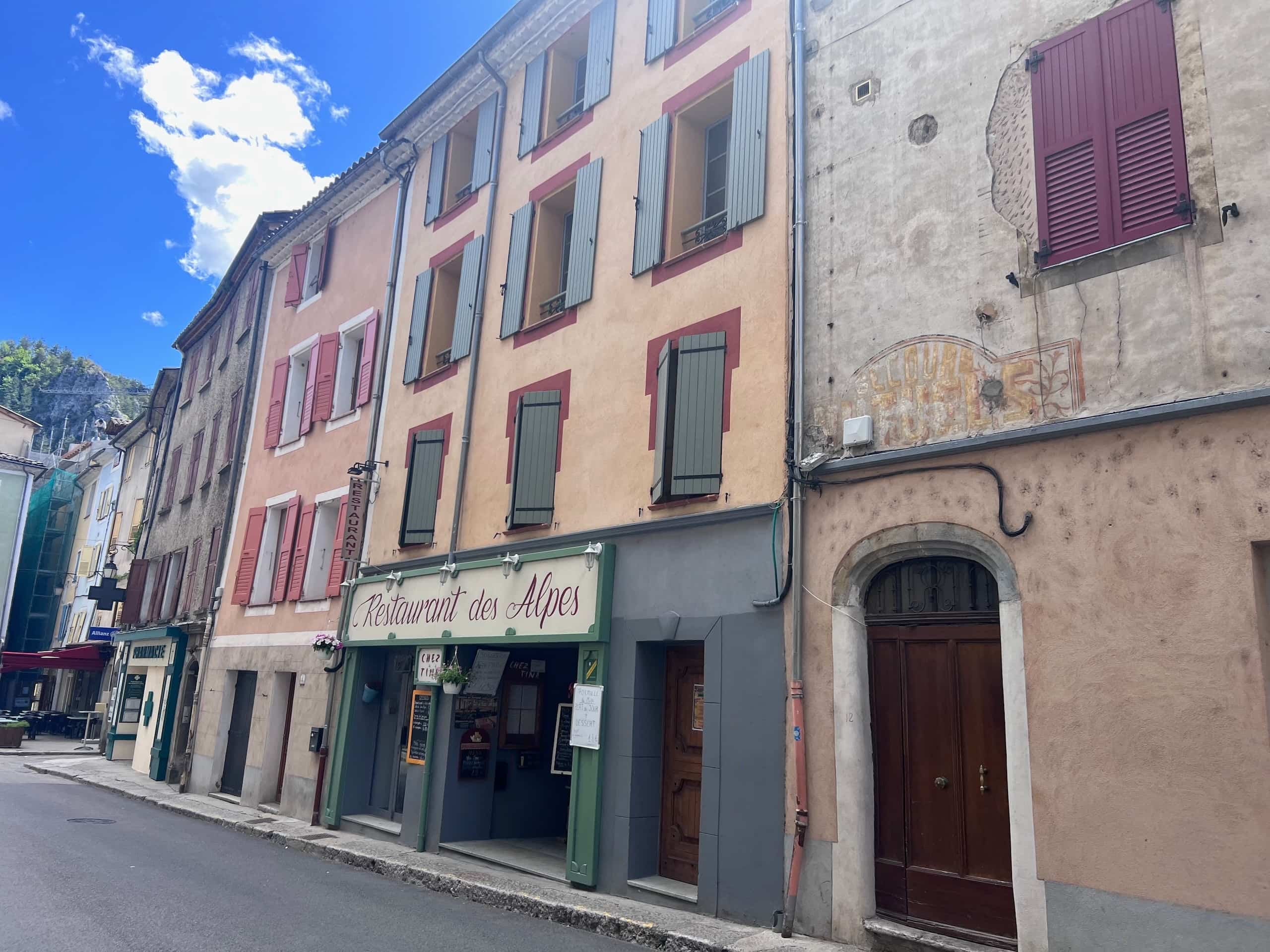
Castellane itself is a small but historic Alpine town that has guarded the entrance to the Verdon Gorge for centuries. Overlooking it all is the Chapelle Notre-Dame du Roc, perched dramatically on a limestone outcrop high above the town and a landmark visible for miles around. The town dates back to Roman times and later became an important fortified settlement due to its strategic position on trade routes through the Alps.
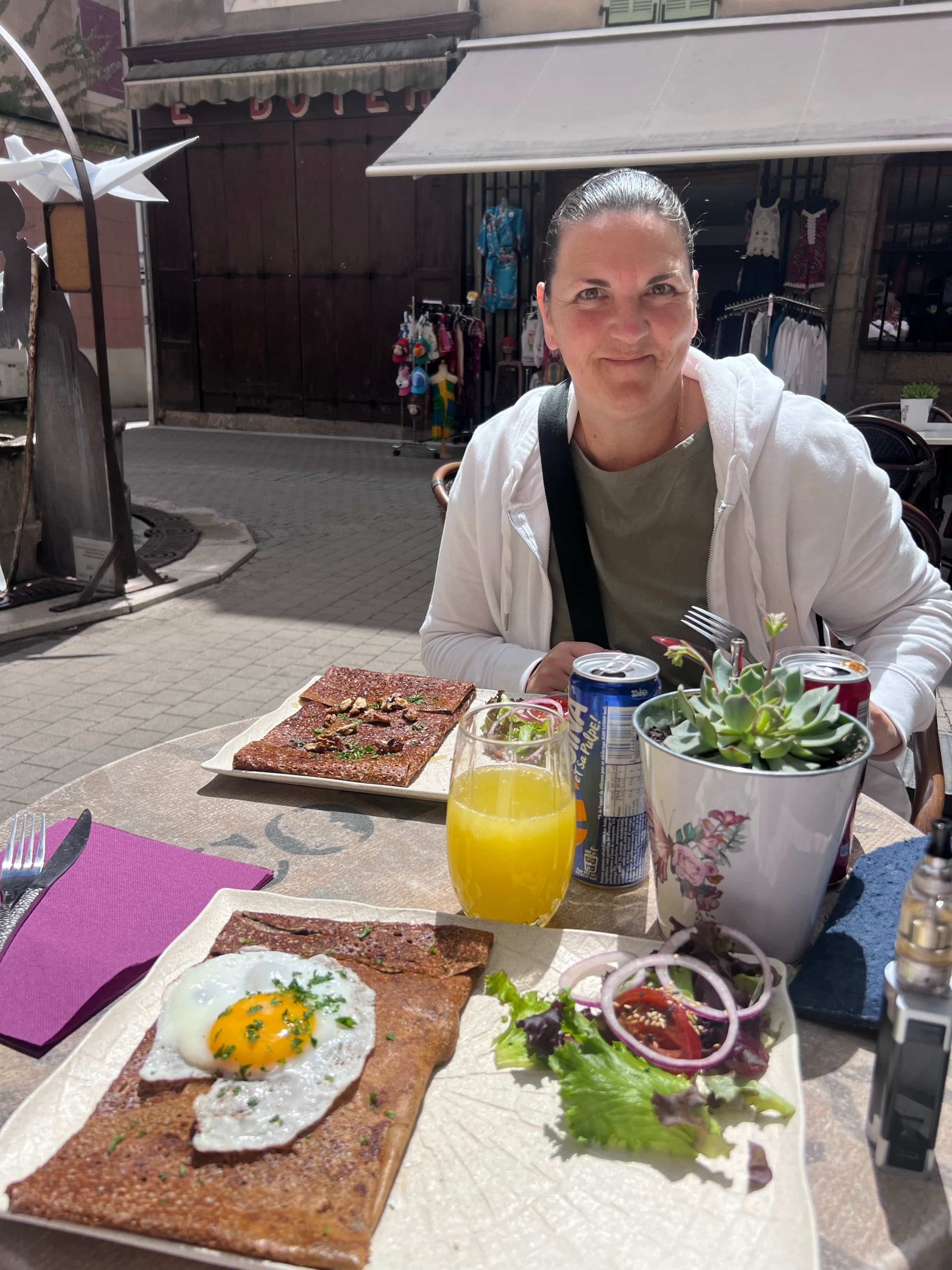
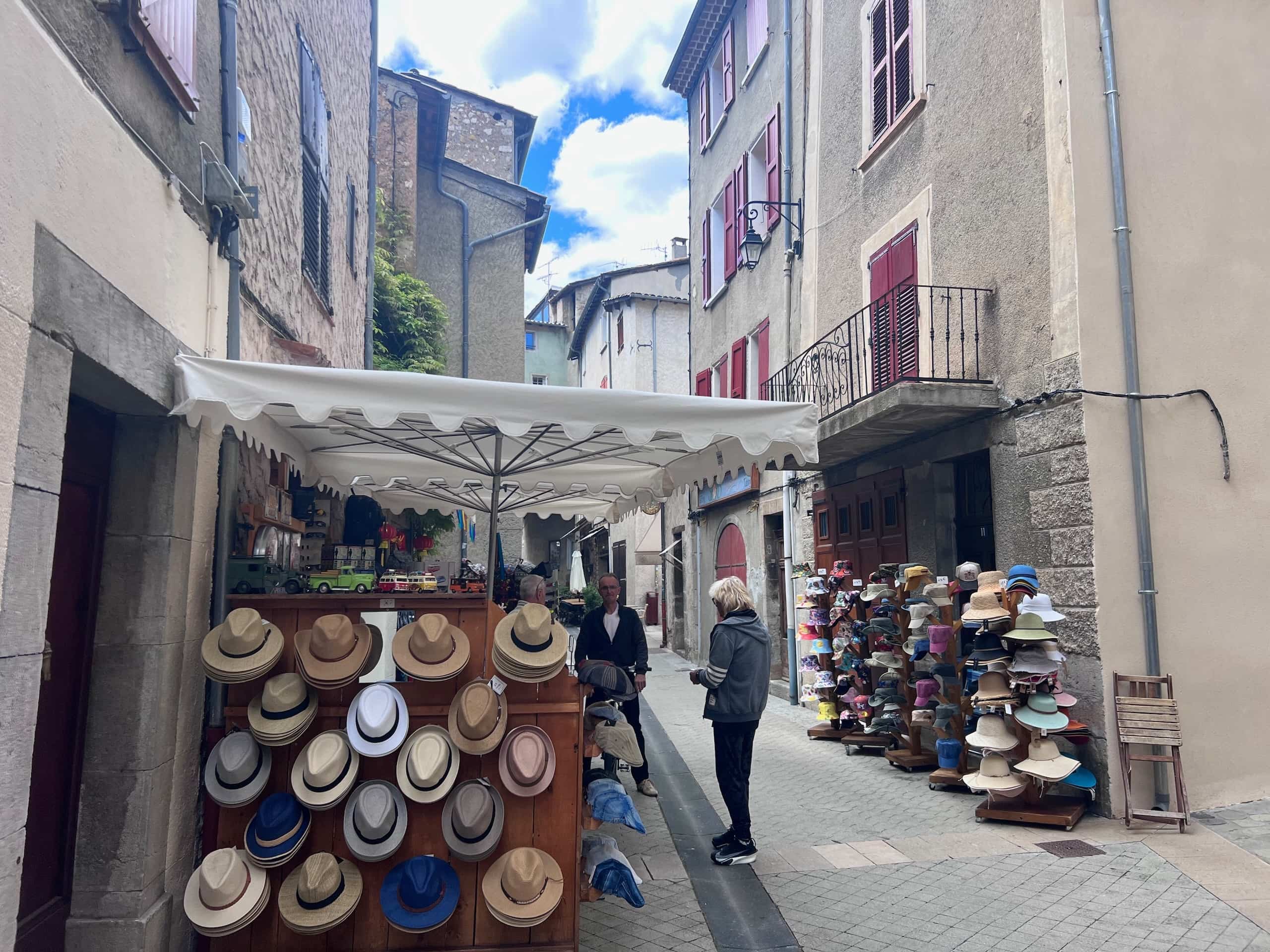
We grabbed lunch, galettes in the square, eaten slowly in the warmth and wandered the narrow streets for a while, getting some steps in and soaking up the relaxed atmosphere. It’s the sort of place that feels like it belongs exactly where it is, unchanged by time in all the right ways.
The Route Napoléon Southbound
From Castellane, we joined the legendary Route Napoléon heading south.
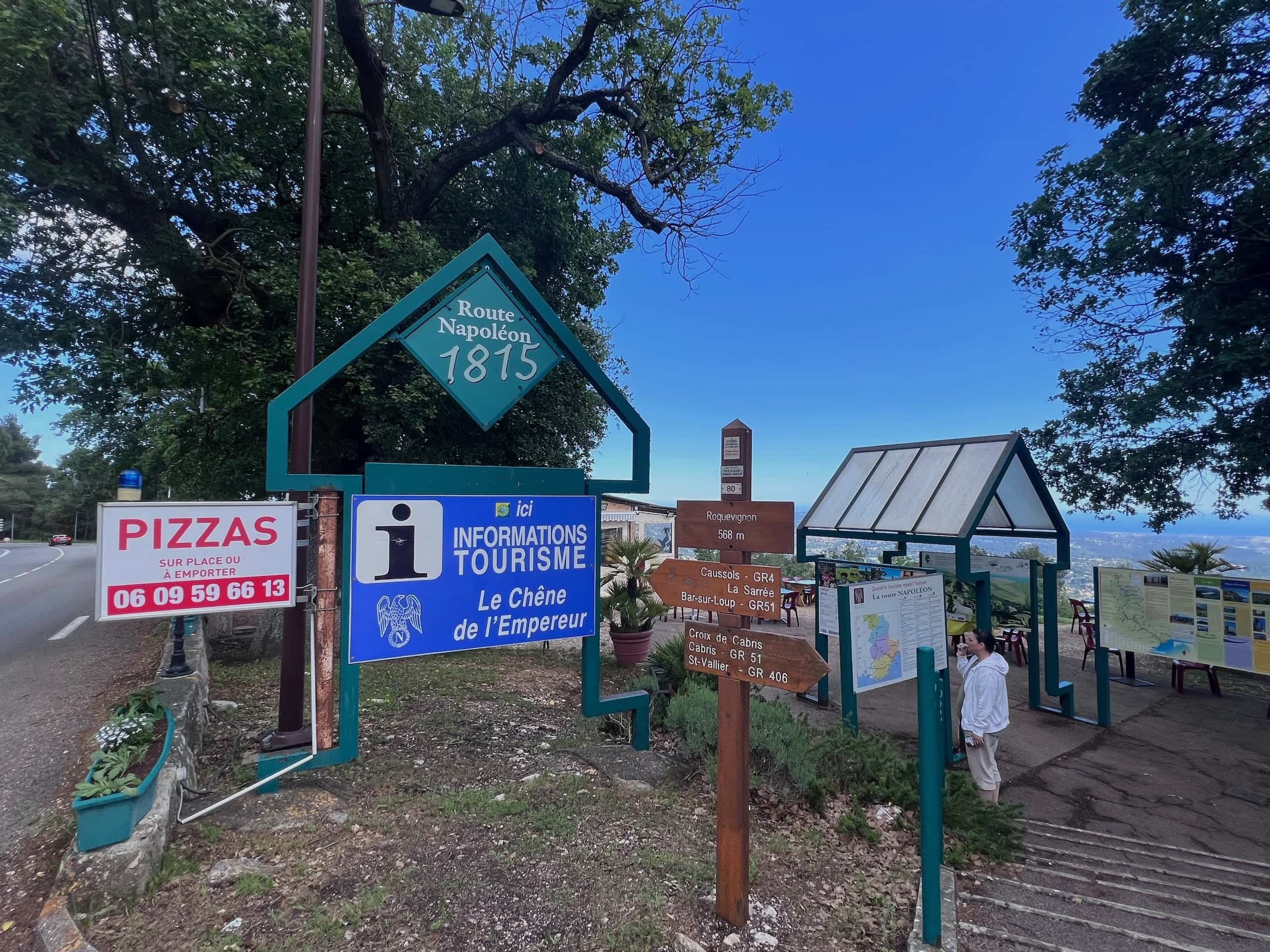
The Route Napoléon follows the path taken by Napoleon Bonaparte in 1815 after escaping exile on the island of Elba. Landing on the French coast, he marched north toward Paris in an attempt to reclaim power — a journey that ultimately led to the famous “Hundred Days” before his final defeat at Waterloo.
Today, the route is marked by small golden eagle plaques and stretches roughly 325km from the Côte d’Azur to Grenoble. The section between Grasse and Castellane is widely regarded as one of the finest driving roads in France.
It’s easy to see why.
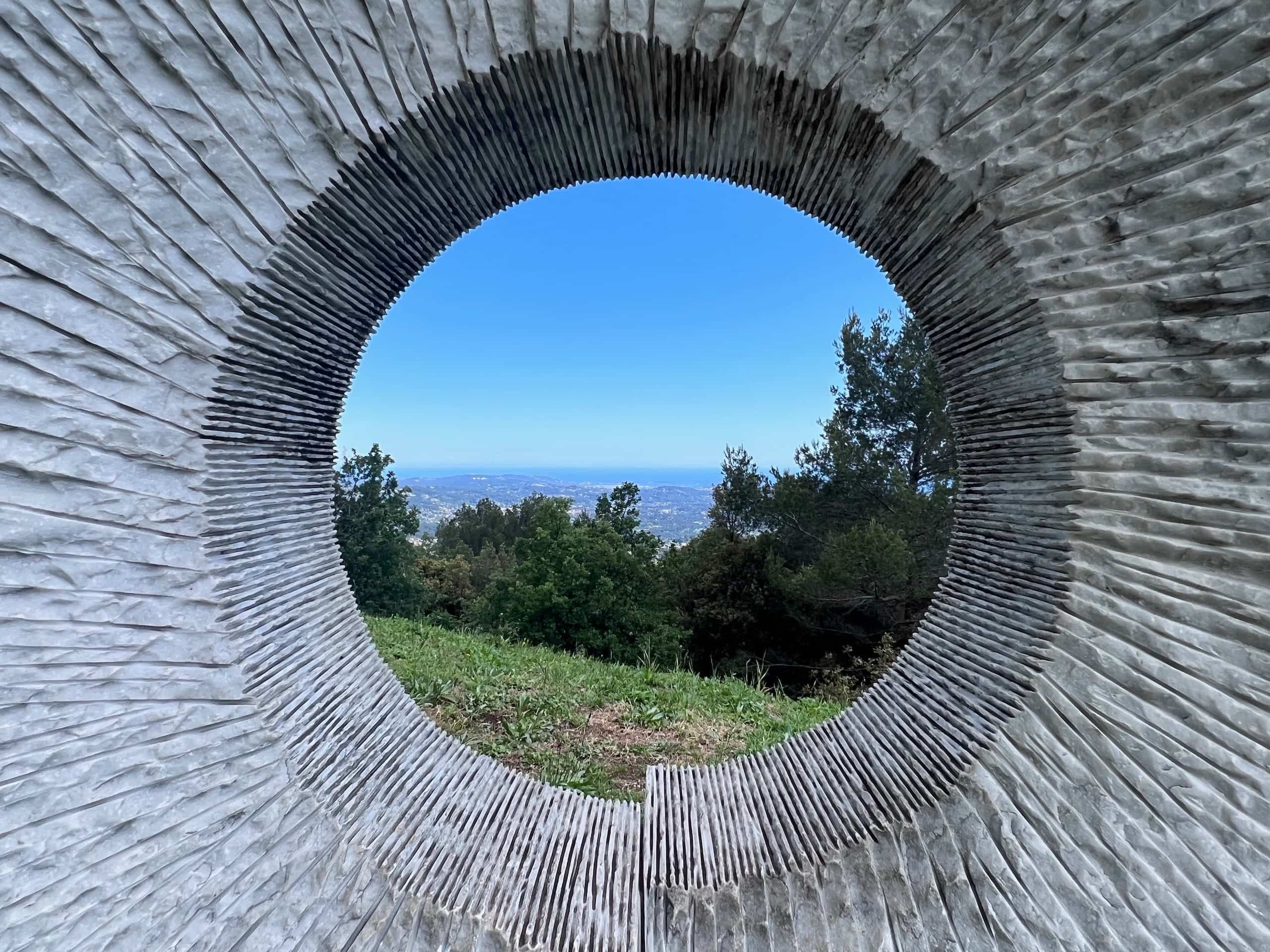
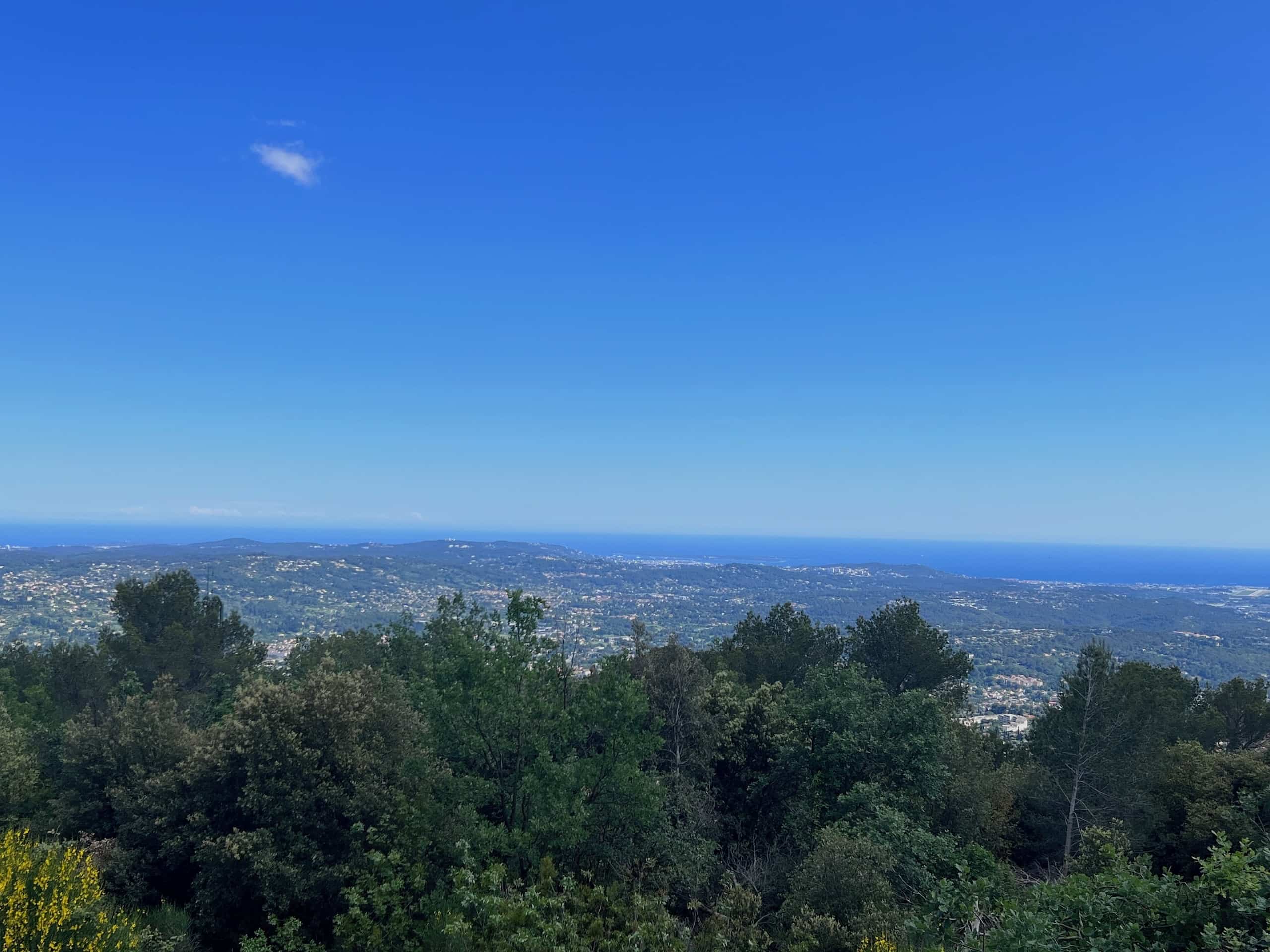
The road flows beautifully — long, open bends, good visibility and just enough elevation change to keep things interesting. Traffic was light and the 911 felt perfectly at home. By the time we descended toward Grasse, the Mediterranean began to reappear in the distance, and before long we were dropping down toward Cannes and rejoining the coast.
The final stretch back to Saint-Raphaël along the coastal road felt almost leisurely after the mountain work — sea on one side, red rock and pine trees on the other. A fitting way to close what might just have been the best driving day of the trip.
Video: Route Napoléon & Verdon in Motion
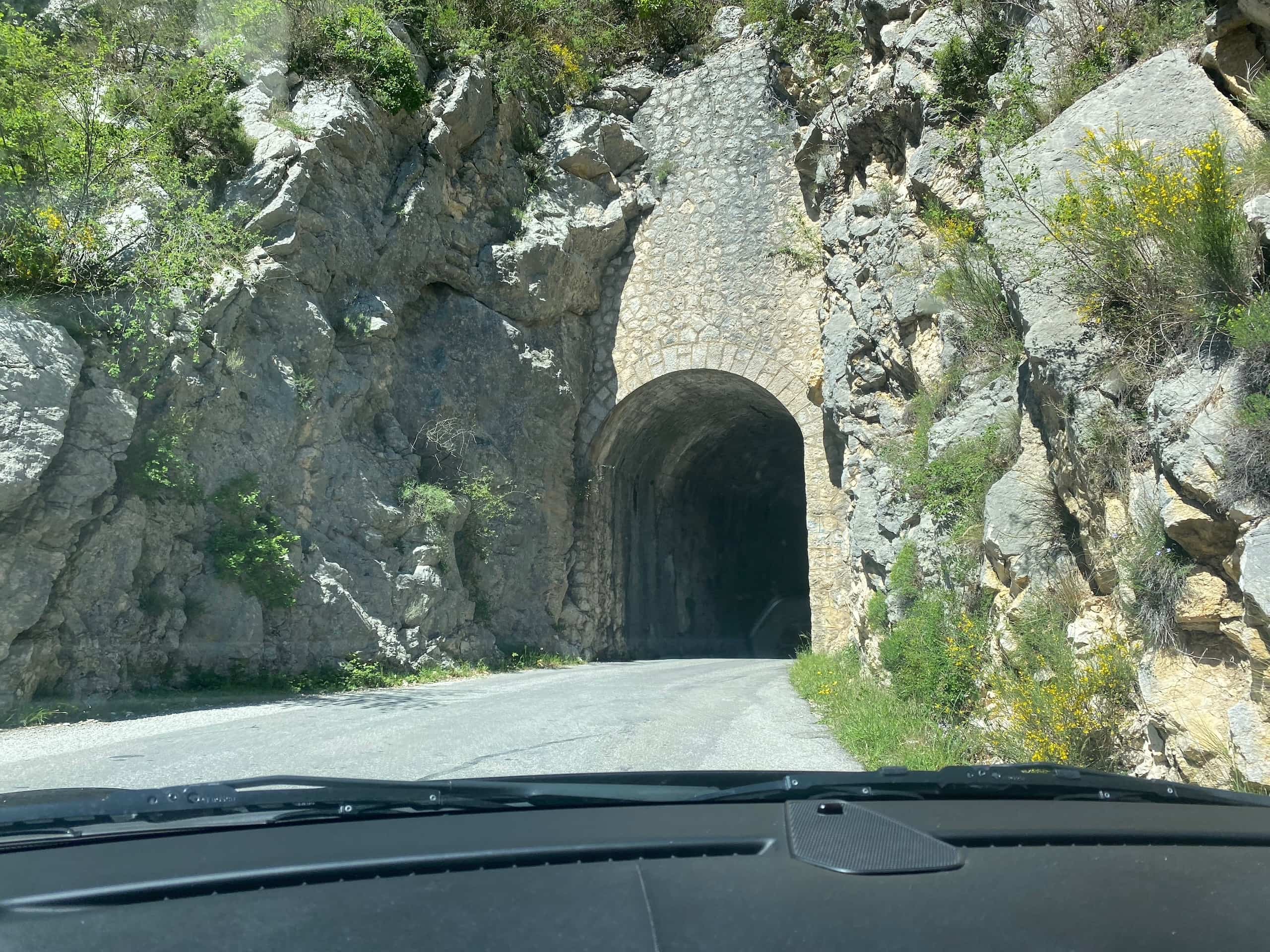
I filmed quite a bit of this drive — the tunnels, the flowing bends on the Route Napoléon, the tighter cliff-edge sections of the Verdon Gorge and a few quieter stretches where the road and scenery really speak for themselves.
The footage needs a bit of editing before it’s fit for public consumption, but I’ll be adding a selection of short videos here soon to give a better sense of the sound and scale of the day.
If you’re reading this shortly after publication, check back soon as this is one route that’s better heard as well as seen.
The Best Driving Day of the Trip?
It’s always difficult to pick a highlight from a road trip, but this loop might just have been it.
The combination of history, scenery and genuinely engaging roads made it feel like the sort of day you design a trip around. It had everything — smooth flowing sections, tight technical climbs, jaw-dropping views and long peaceful stretches through Provençal countryside.
If you enjoy driving for the sake of driving, not just getting from A to B, this part of France is hard to beat.
We returned slightly sunburnt, very content, and quietly convinced we’d just experienced one of the best road loops in Europe.
 Relaxing on the French Riviera: Saint-Raphaël, Saint-Tropez & Nice
 Journey Home: Beaune, Rick Astley & The Long Drive Back to Derby