
We left Derby at 1:30am, aiming to cover as much ground as possible while the roads were quiet and the rest of the country slept. The plan was simple enough, drive through the night to Folkestone and catch an early Eurotunnel service into France.
Whenever we’ve driven to Europe in the past, we’ve always insisted on taking the ferry from Dover to Calais. There’s something about being able to get out of the car, stretch your legs, grab a coffee on deck and watch the coastline drift away. It usually works out cheaper too, and the flexibility suits us — early or late, you just board the next available sailing.
This time, though, we decided to try something different.
First Time on the Eurotunnel
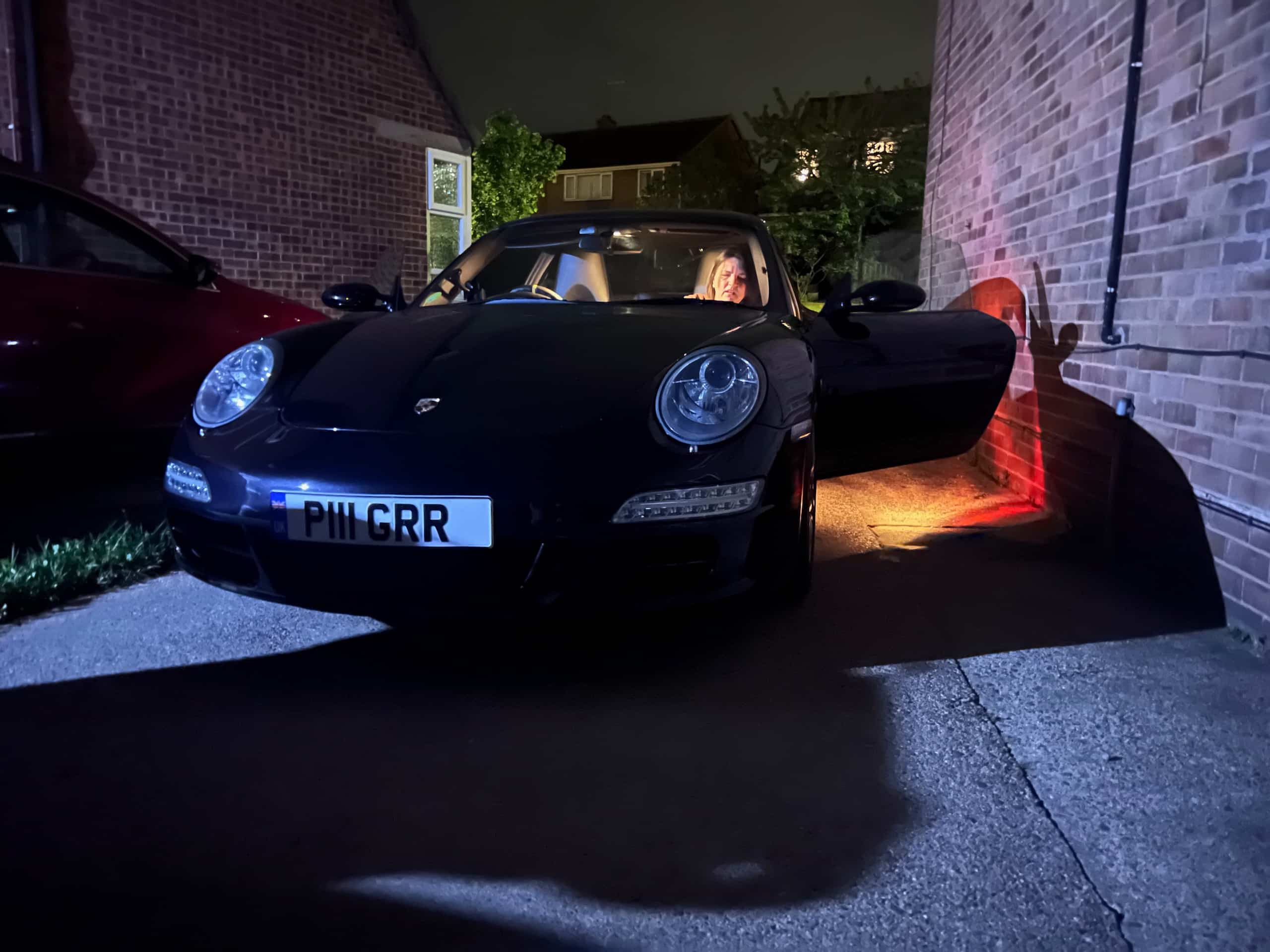
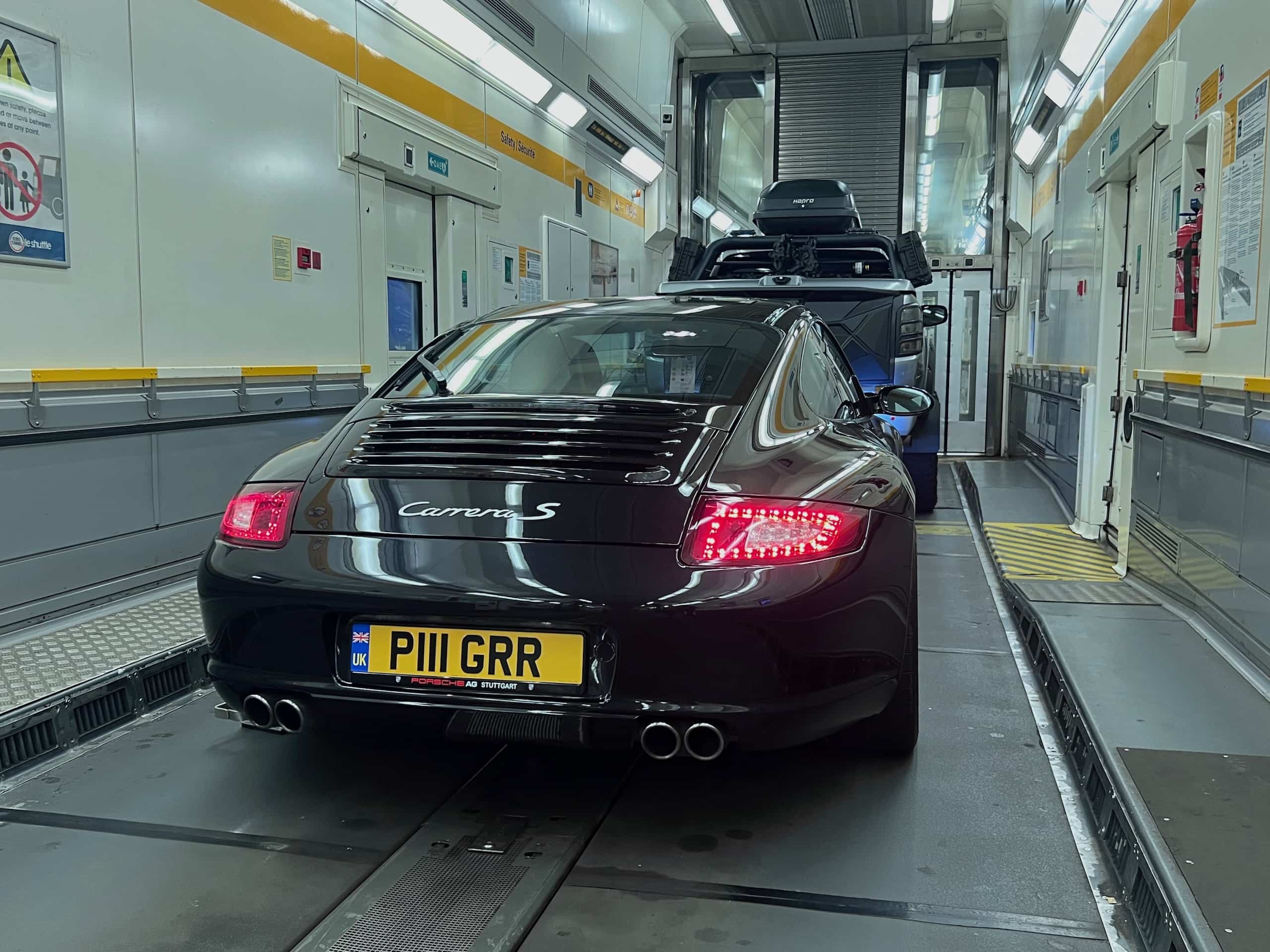
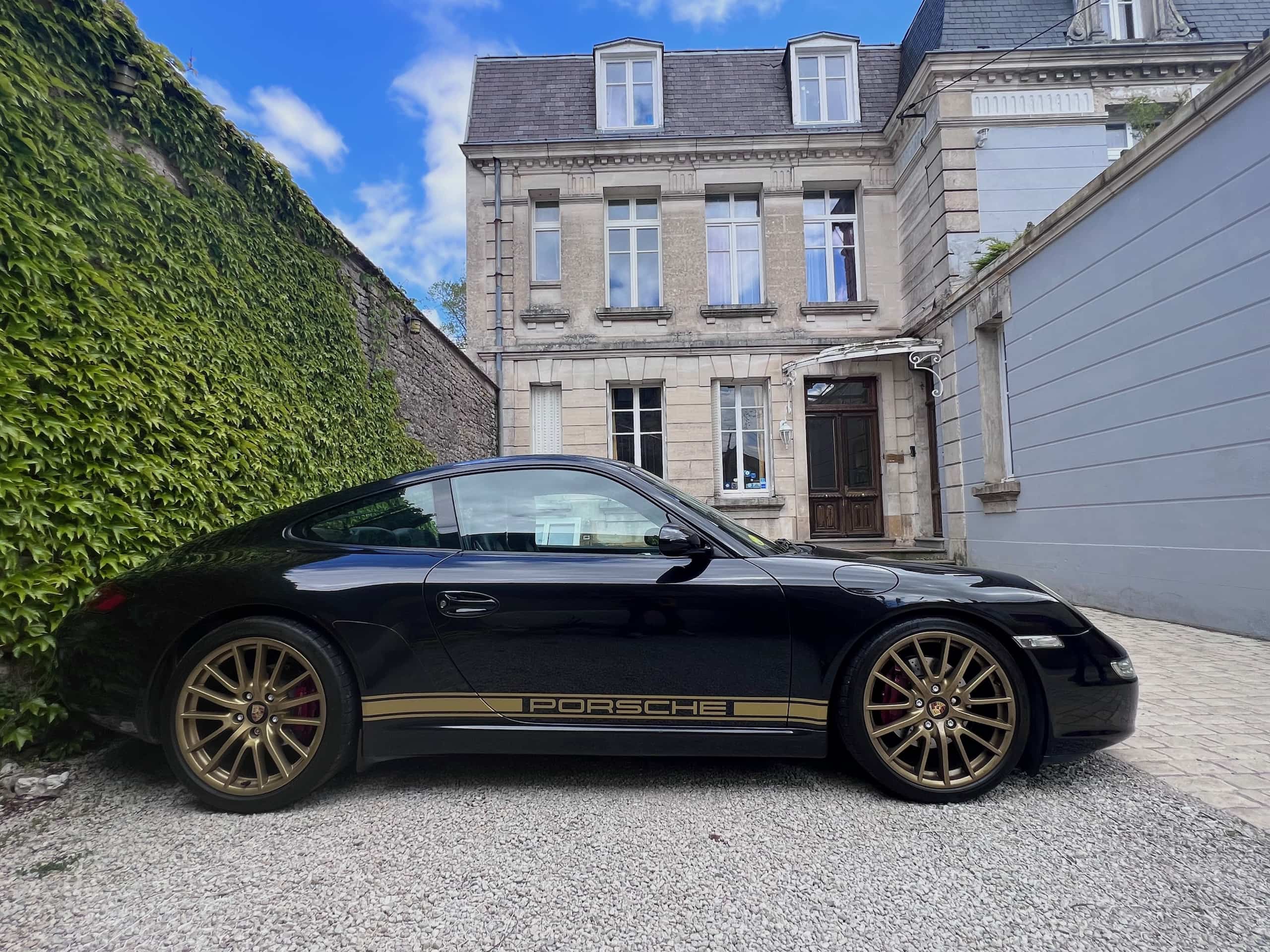
Having never taken a car on the Eurotunnel before, I wasn’t quite sure what to expect. The online booking was straightforward, and when I entered the registration number it automatically recognised the Porsche as a low sports car, allocating us to the lower deck of the train carriage. The price was reasonable as well — a few pounds more than the ferry, but around two hours quicker overall.
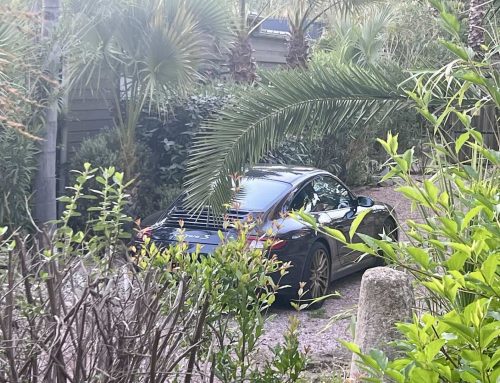
We packed light. Two hand-luggage-sized cases fitted perfectly into the frunk, with a couple of soft holdalls wedged into the rear seats. Despite not being the biggest of cars, there was plenty of space and nothing felt compromised.
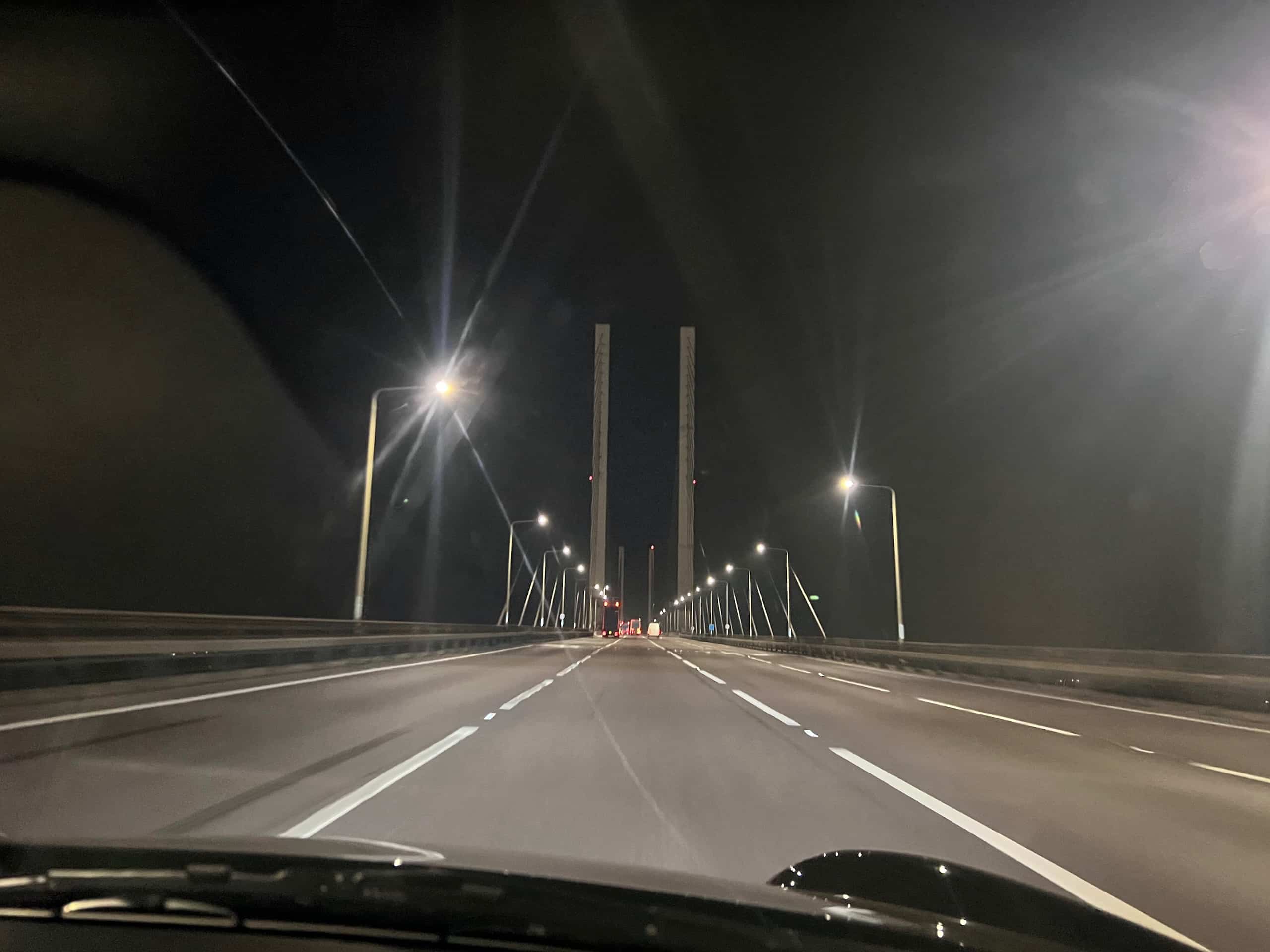
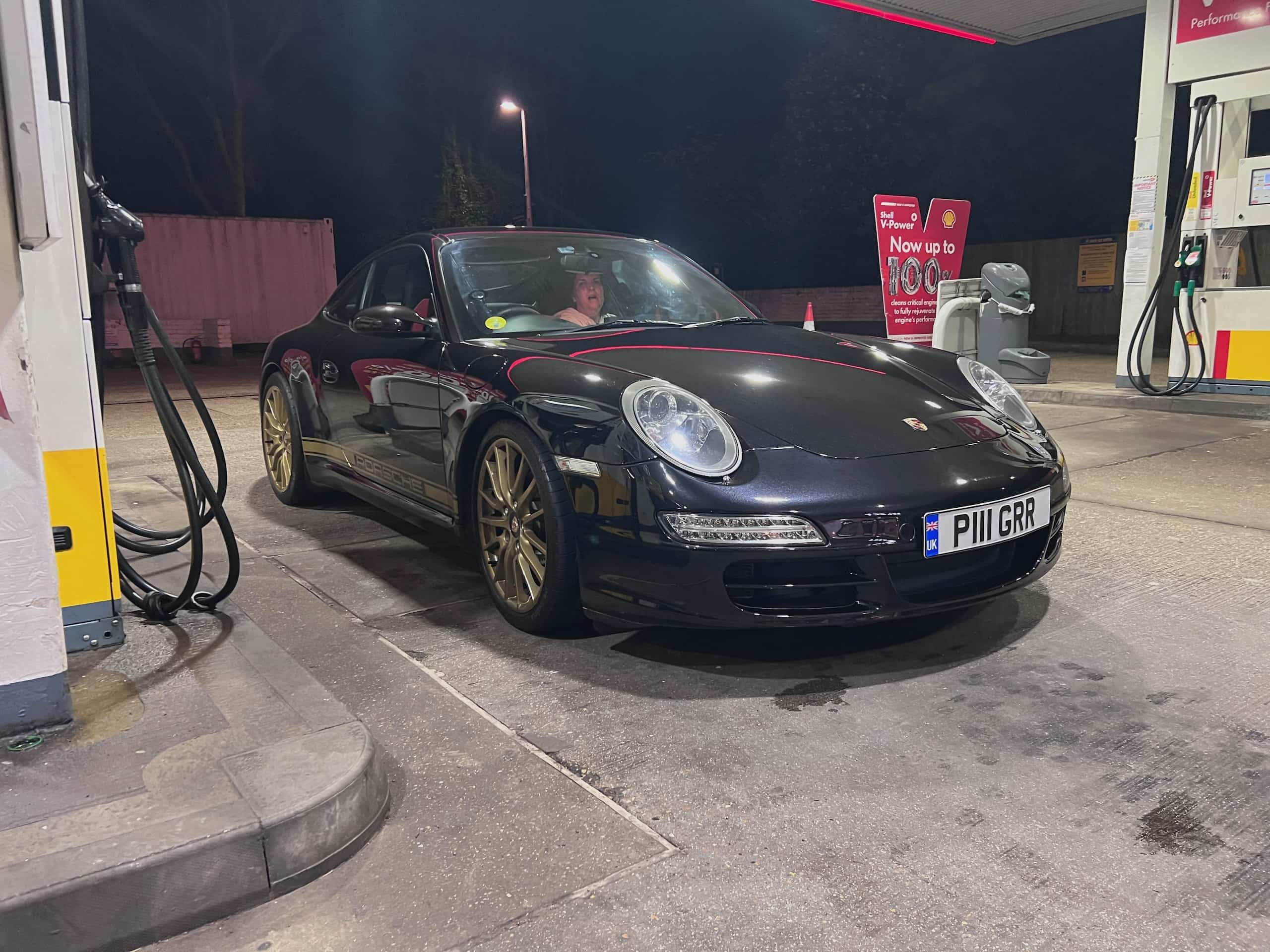
The drive down was easy enough. Straight down the M1, a quick coffee stop at a service station, around the M25, over the Queen Elizabeth Bridge, and then onto the M20 towards Folkestone. We topped up with fuel just before reaching the terminal and rolled in at around 4am, ready for the 5am train.
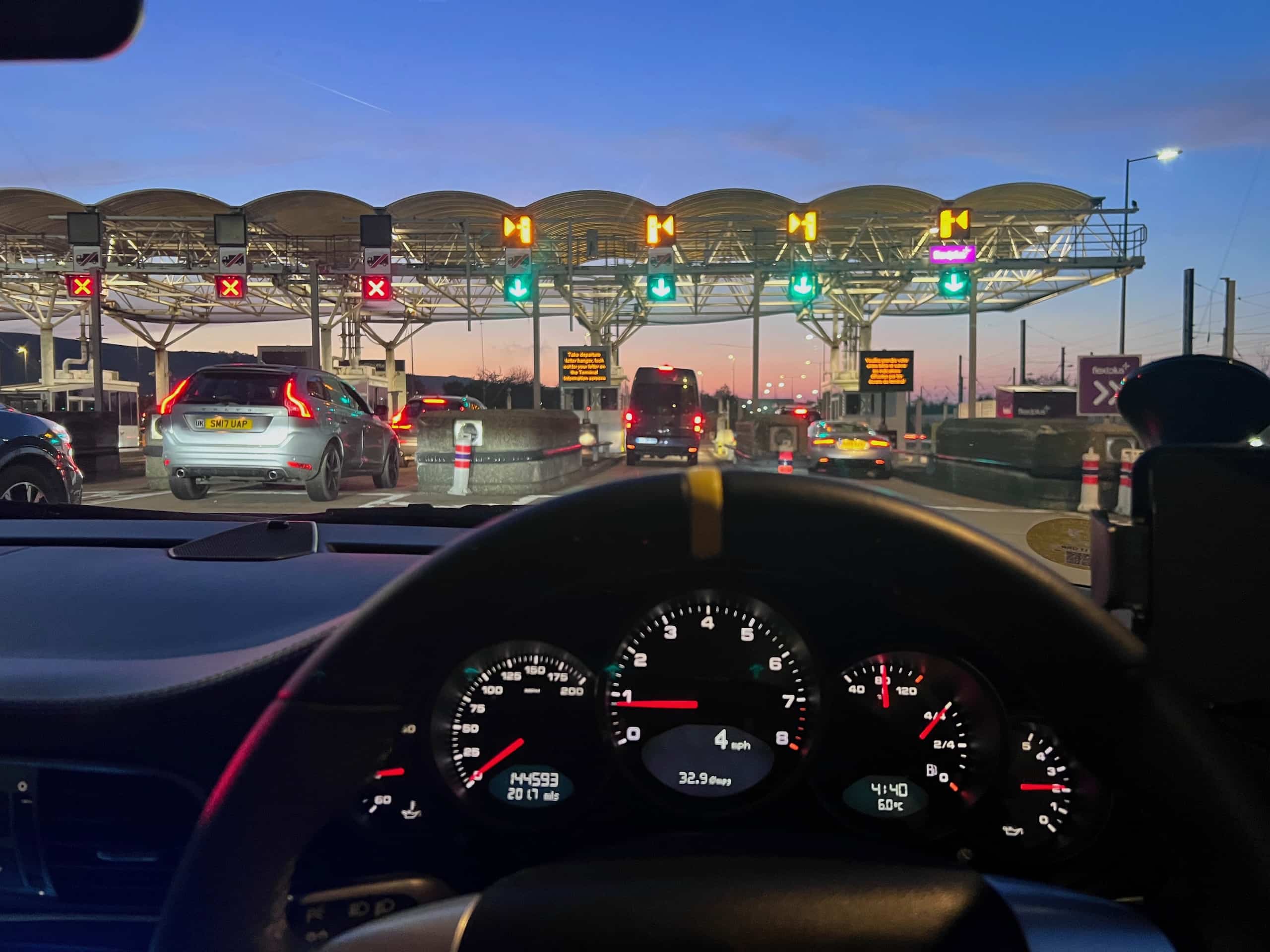
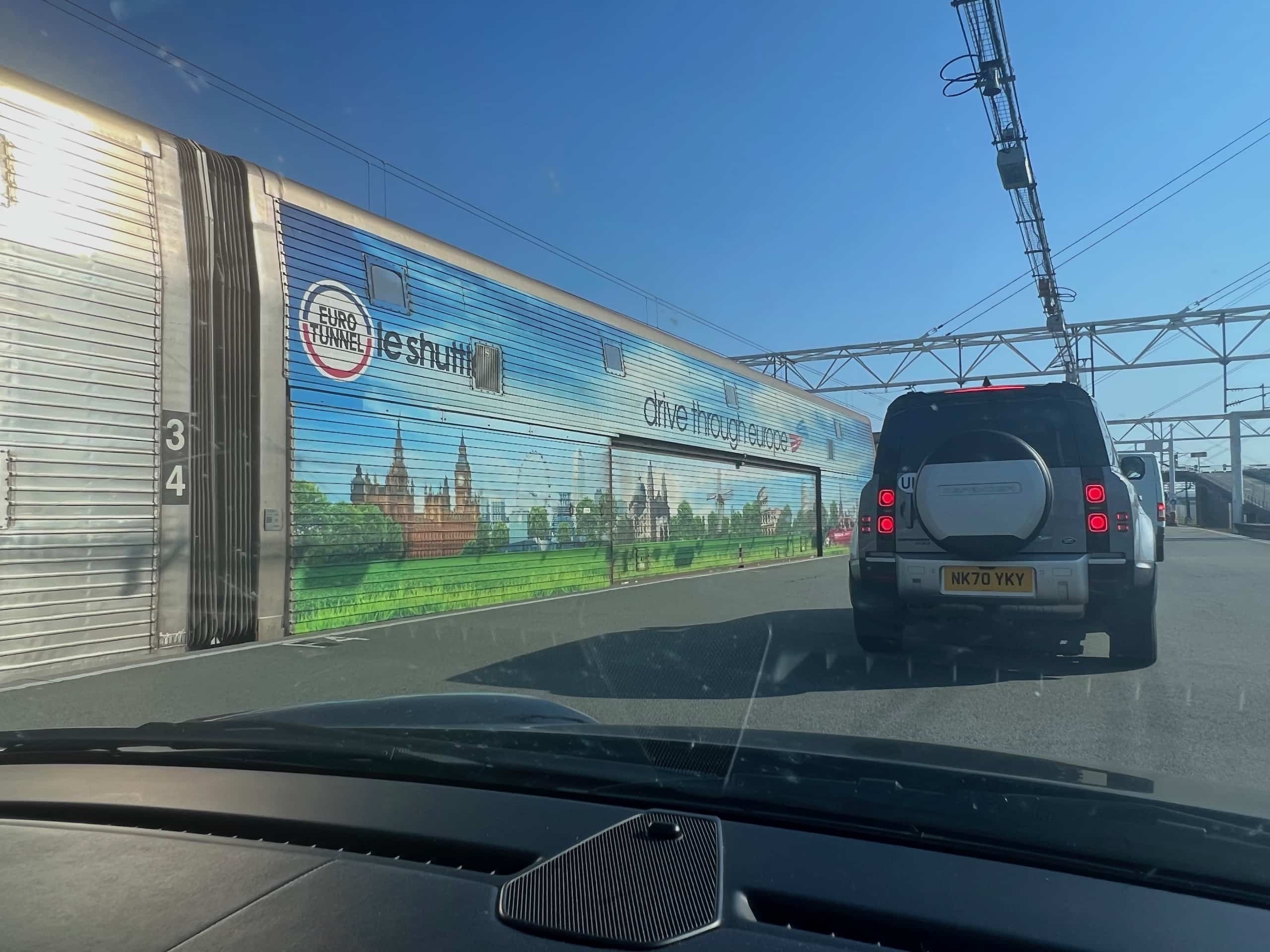
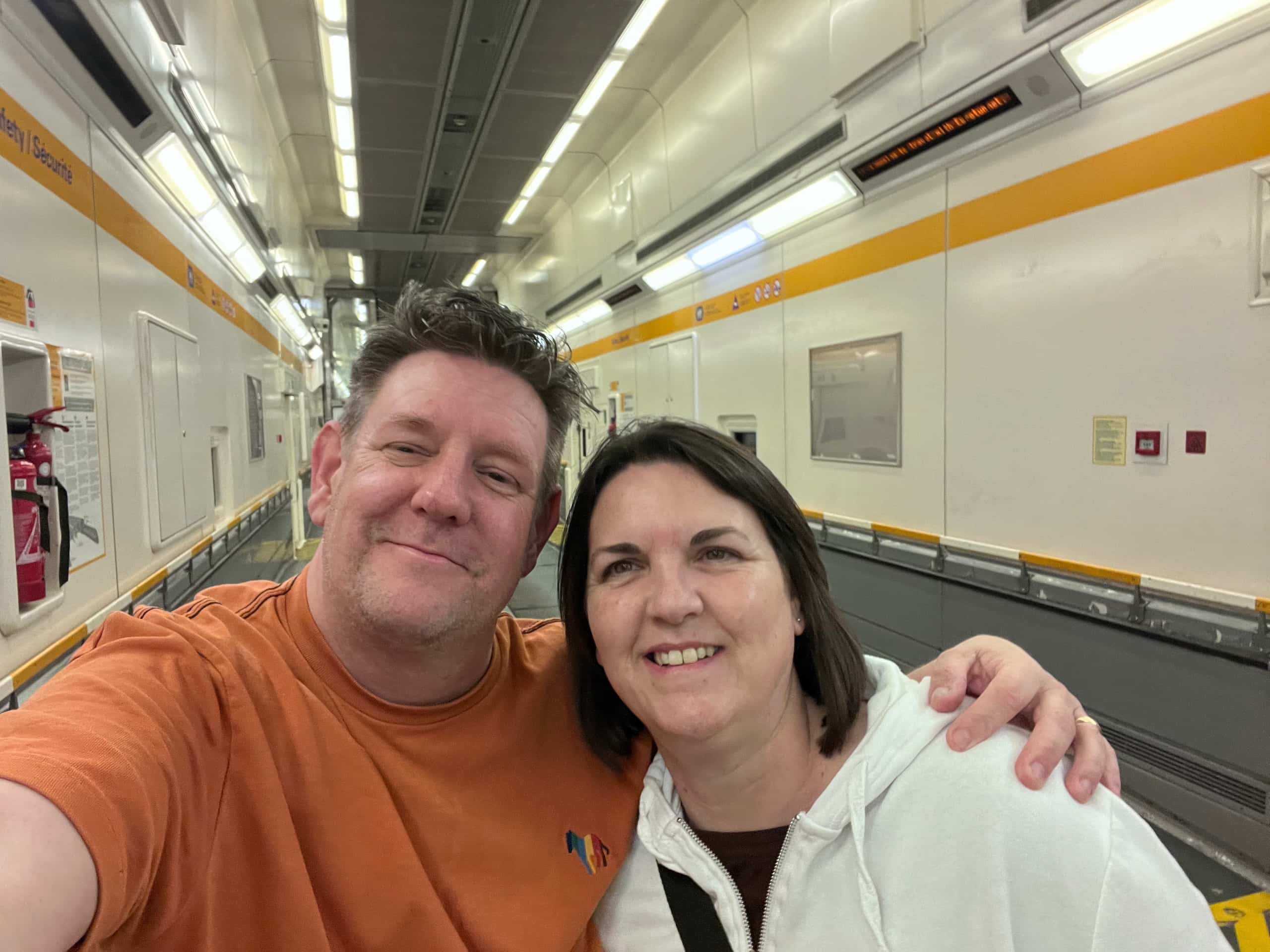
Inside the terminal we used the facilities, topped up the coffee flasks at Starbucks, and then joined the line of cars waiting for passport control. Everything moved quickly. Five minutes later we were being directed onto the train, engine off, windows down, and ready for the short journey under the Channel.
The terminal and train were both pretty quiet — early morning and early in the season clearly helped. We wandered up and down the carriage looking for the loos, found little else open, and then settled back into the car as the shuttle rolled us into France.
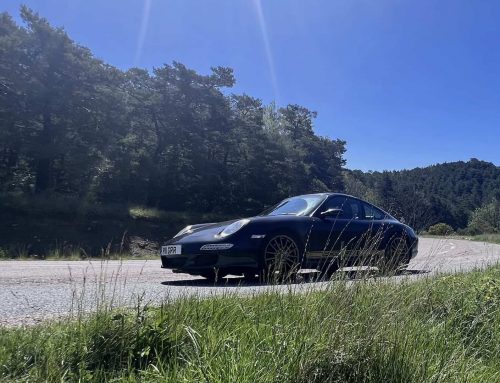
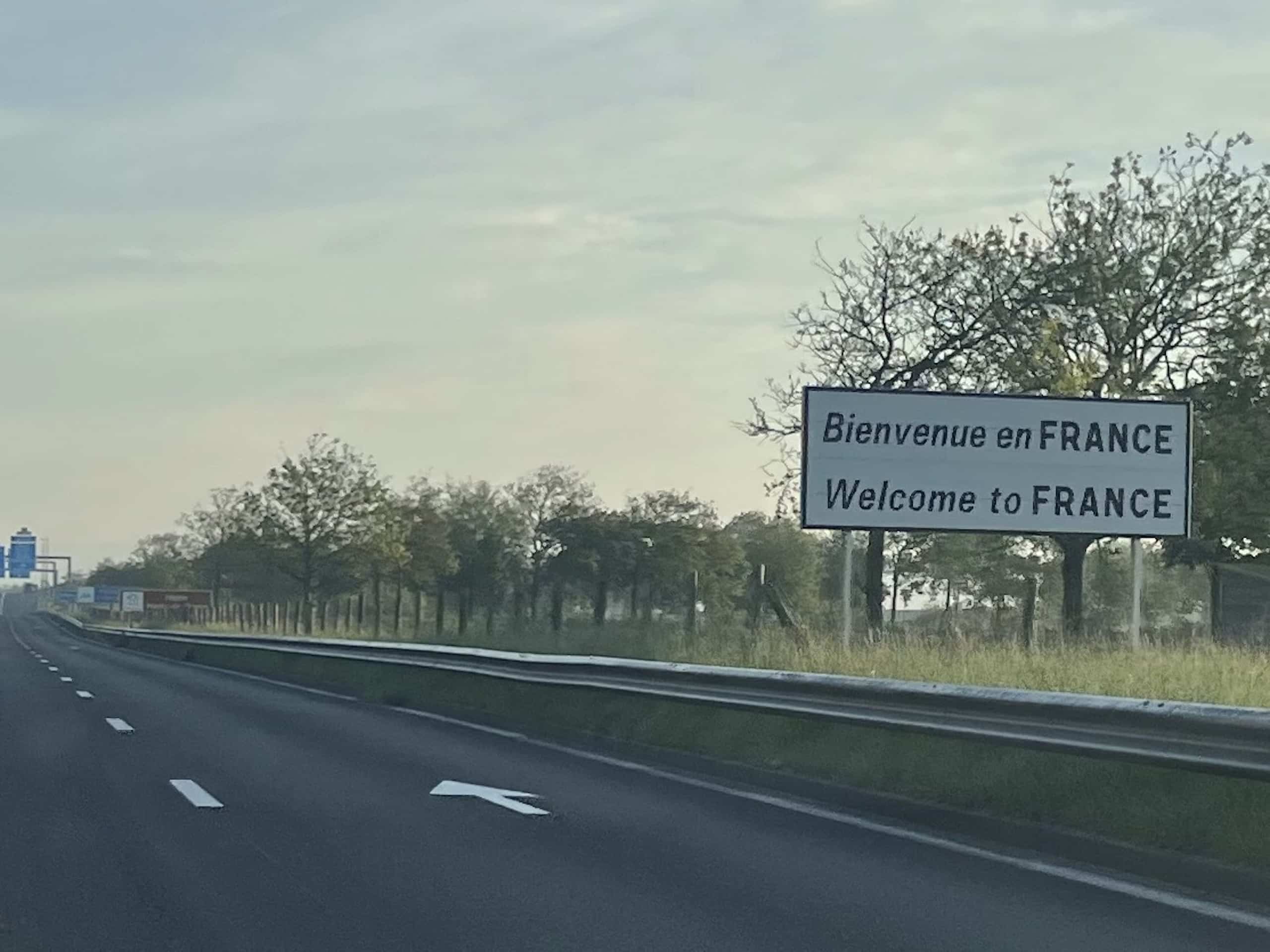
Thirty minutes later, the flat-six was ticking over nicely and we were driving off the train and onto French soil. Passport control on the French side was equally painless, and within minutes we were heading south on the A16, with around 380 miles ahead of us before bed.
Formula One History at Circuit de Gueux
Late morning saw us pulling off the autoroute just outside Reims to visit one of those places that feels almost obligatory if you’re passing through France in a sports car.
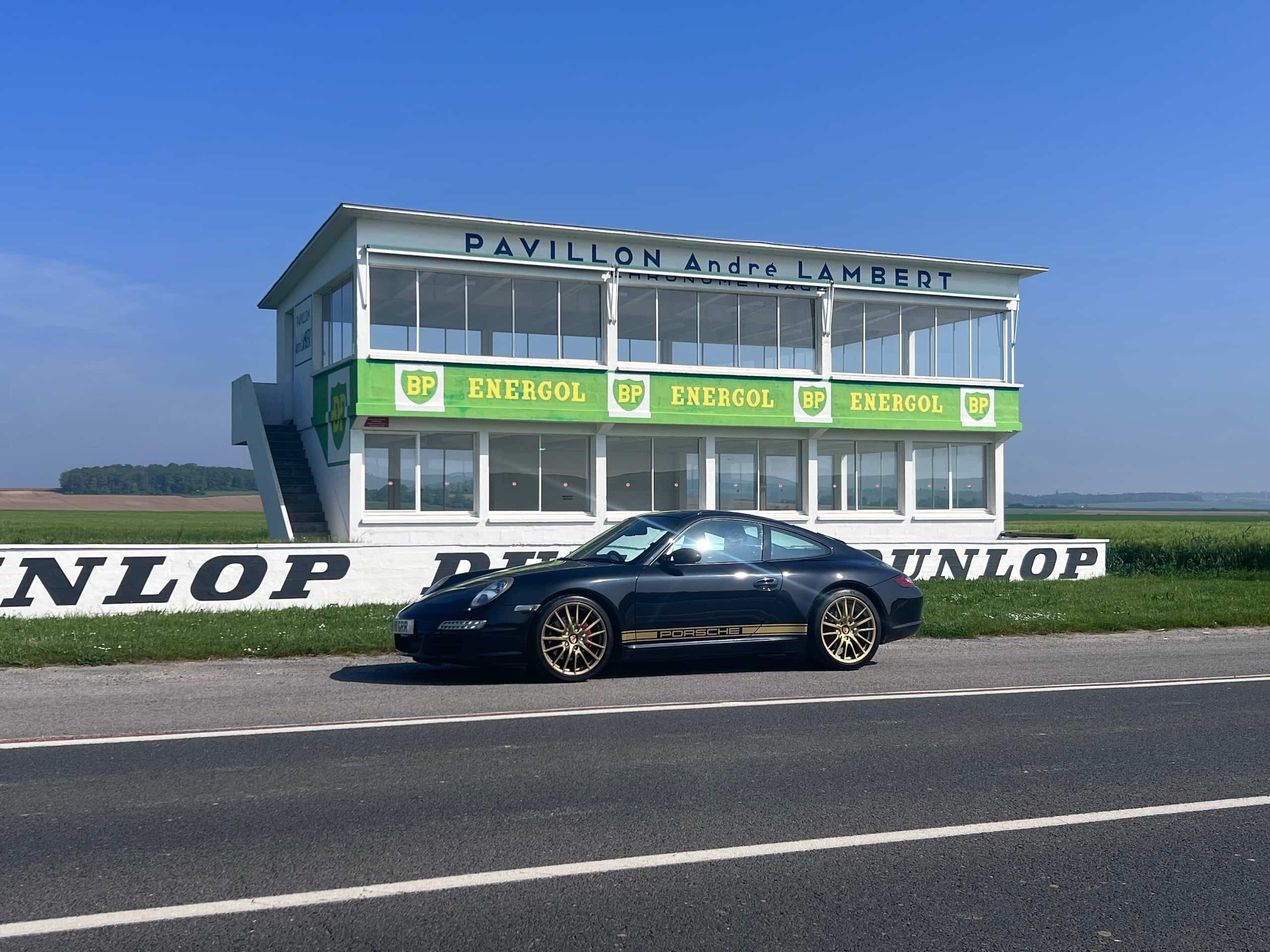
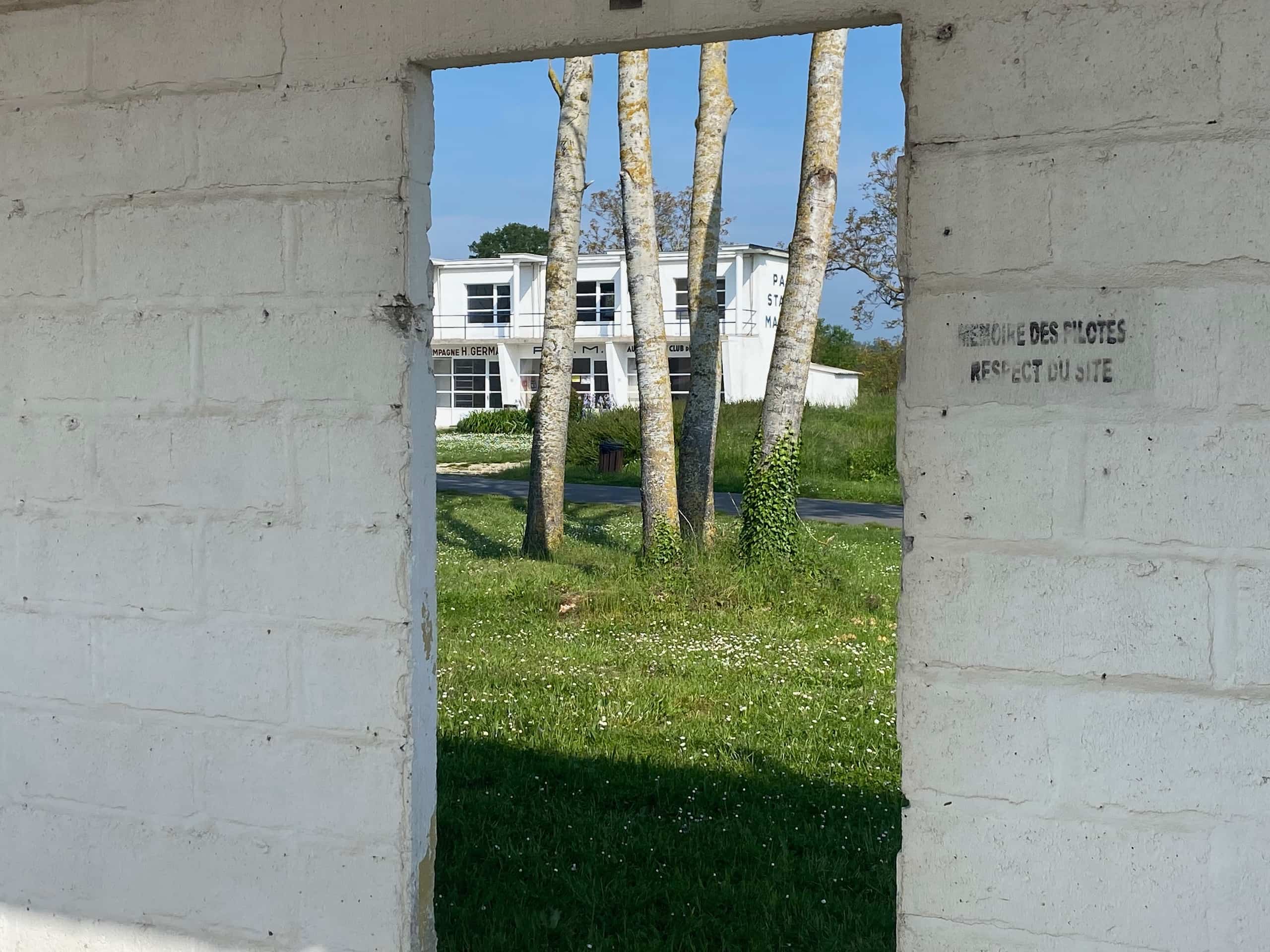
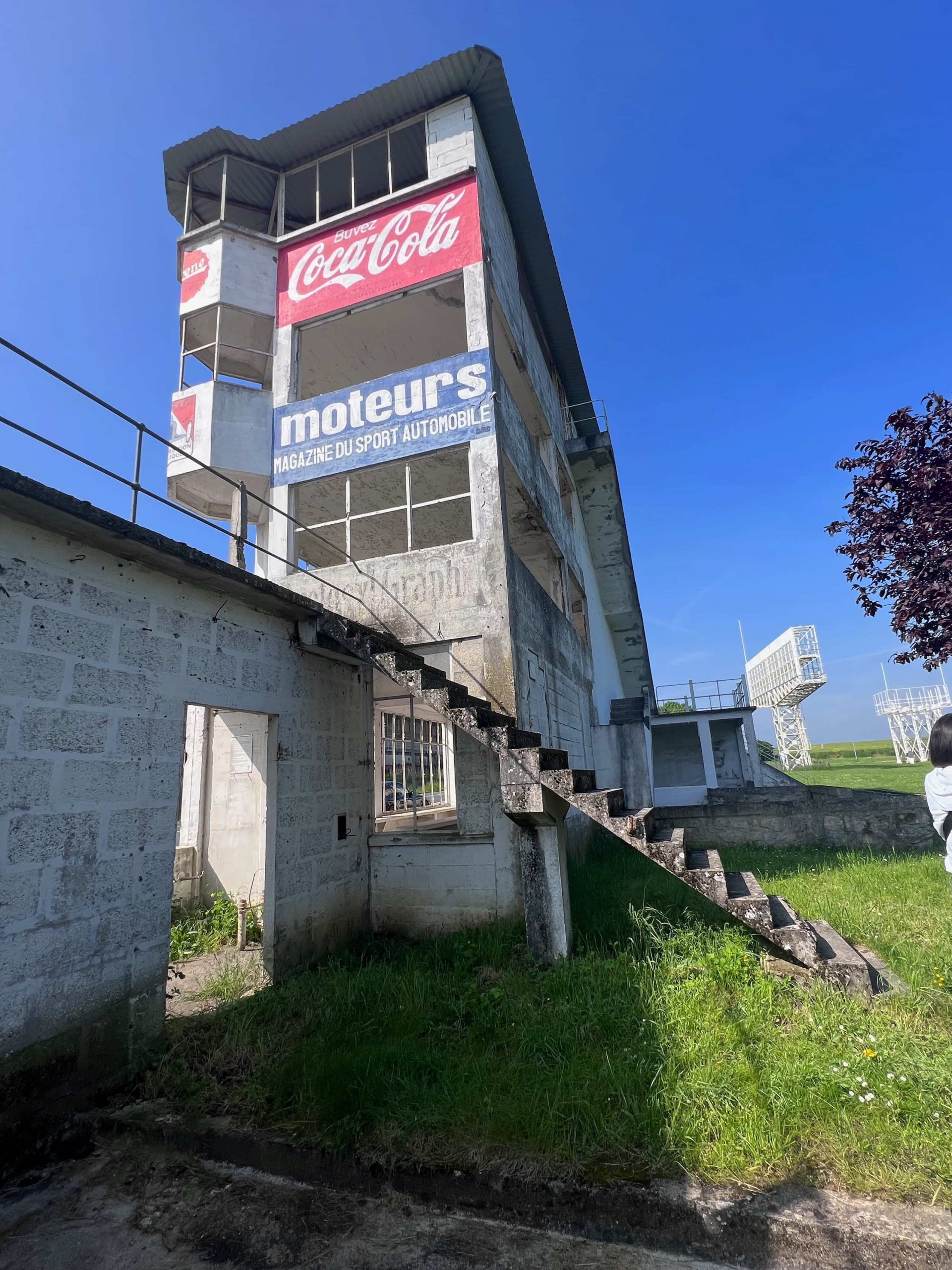
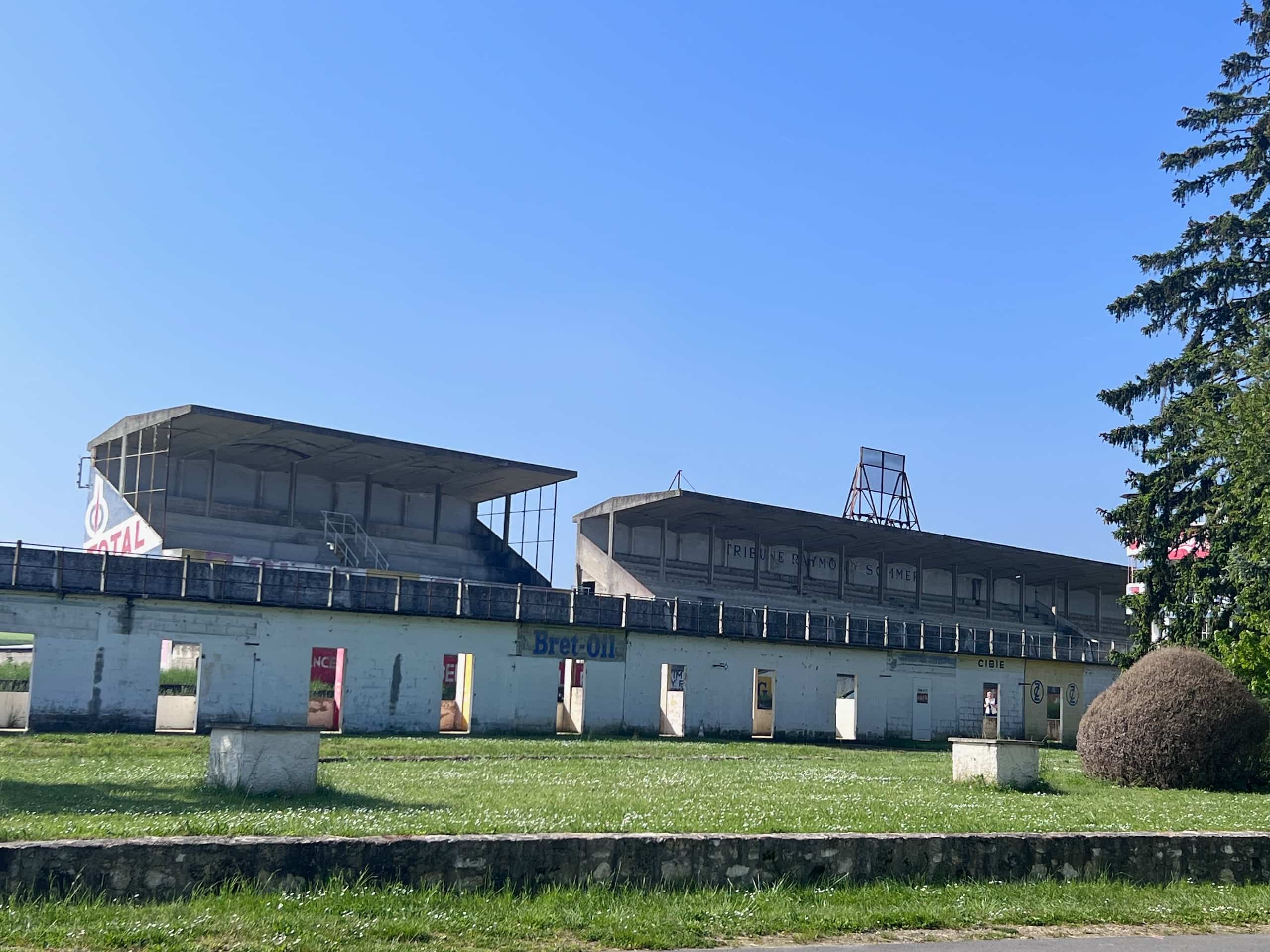
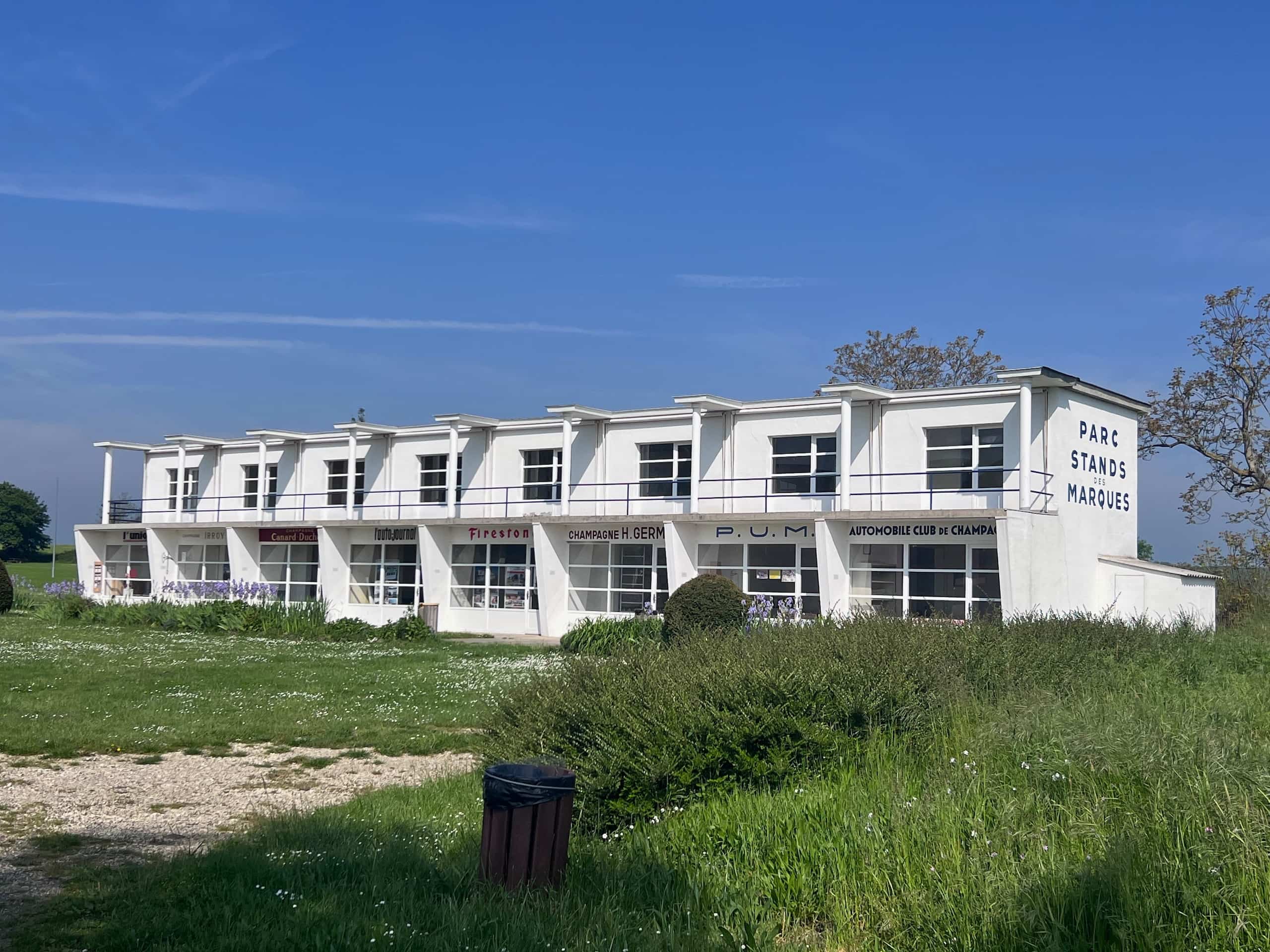
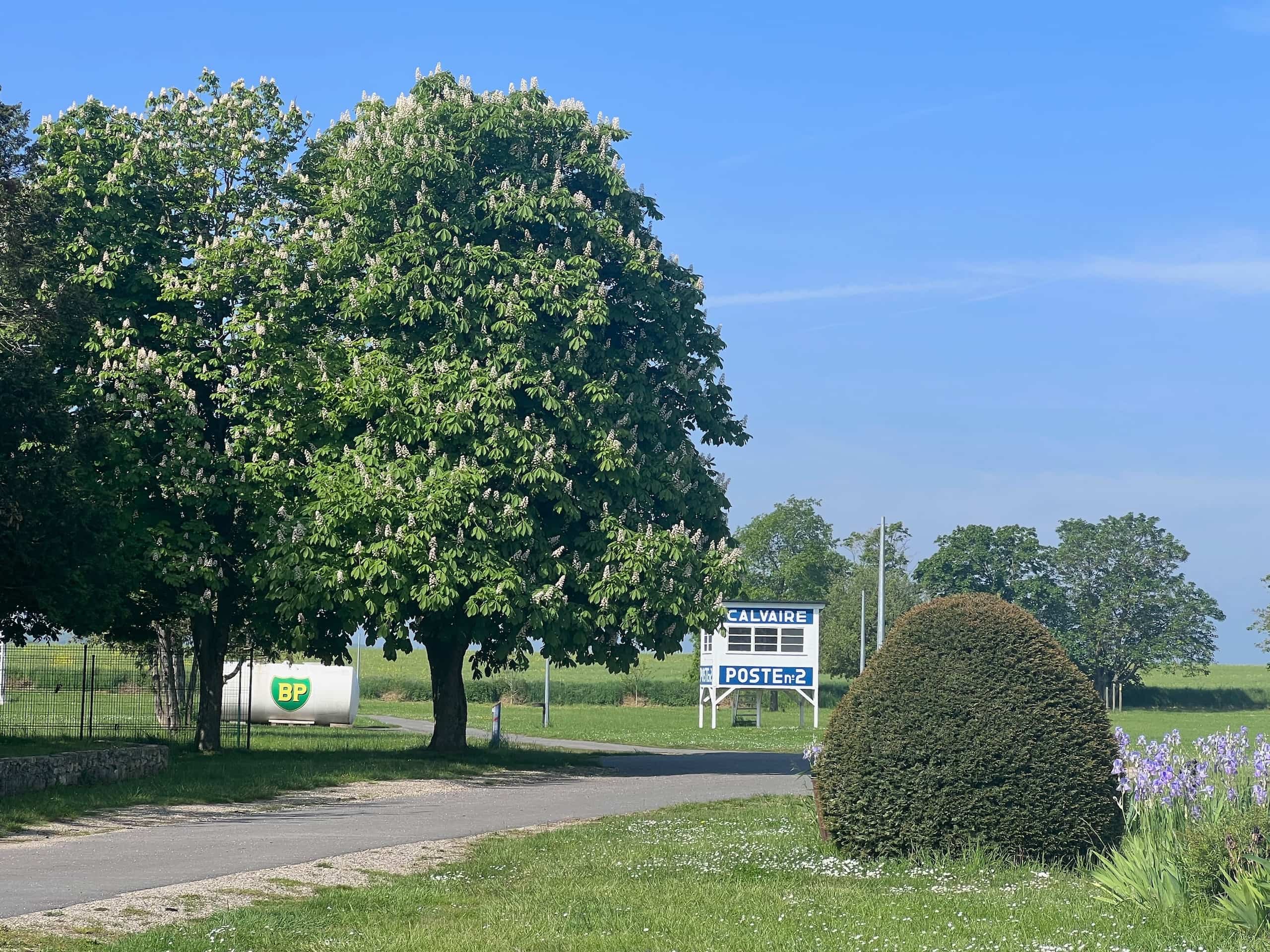
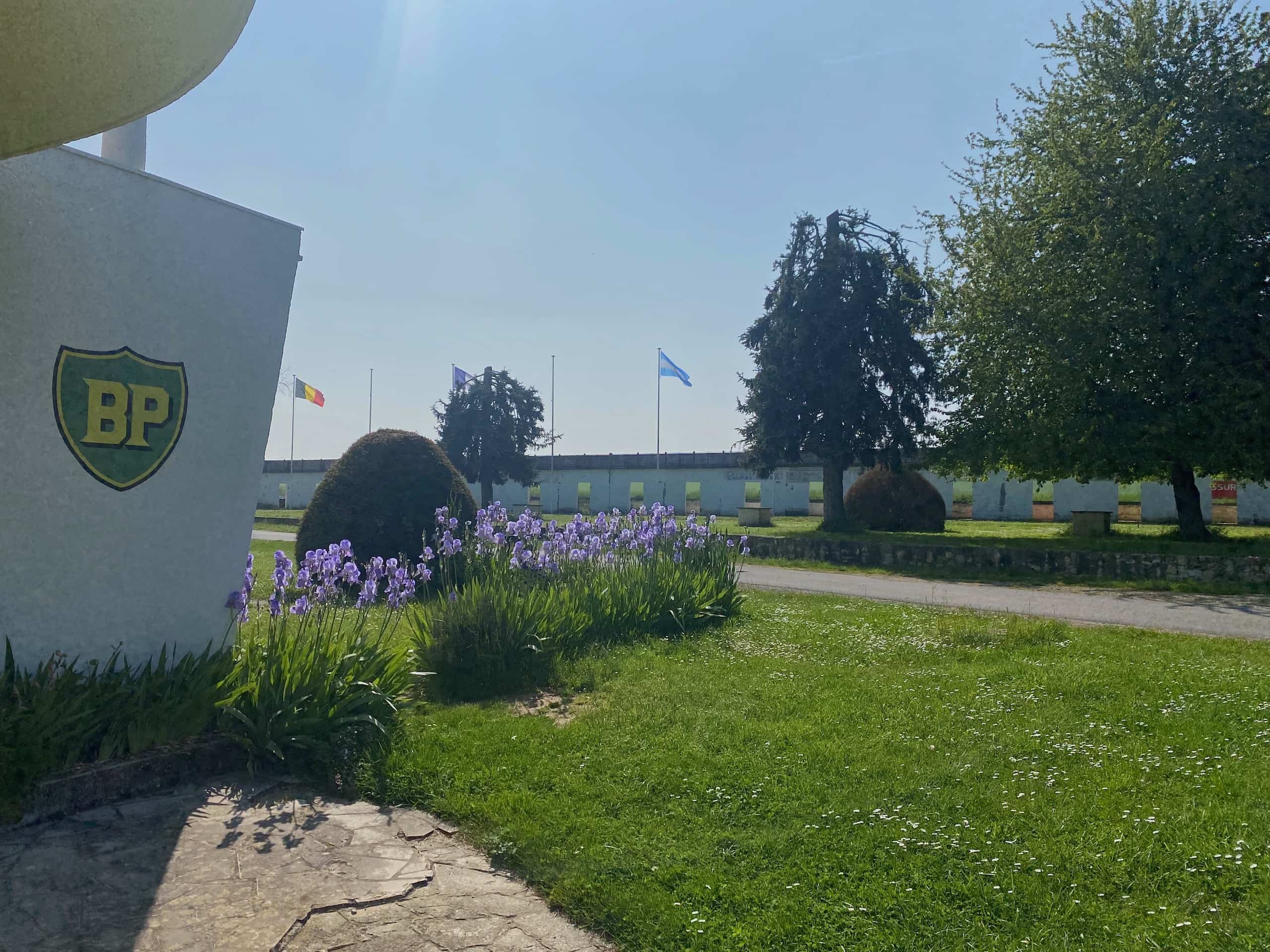
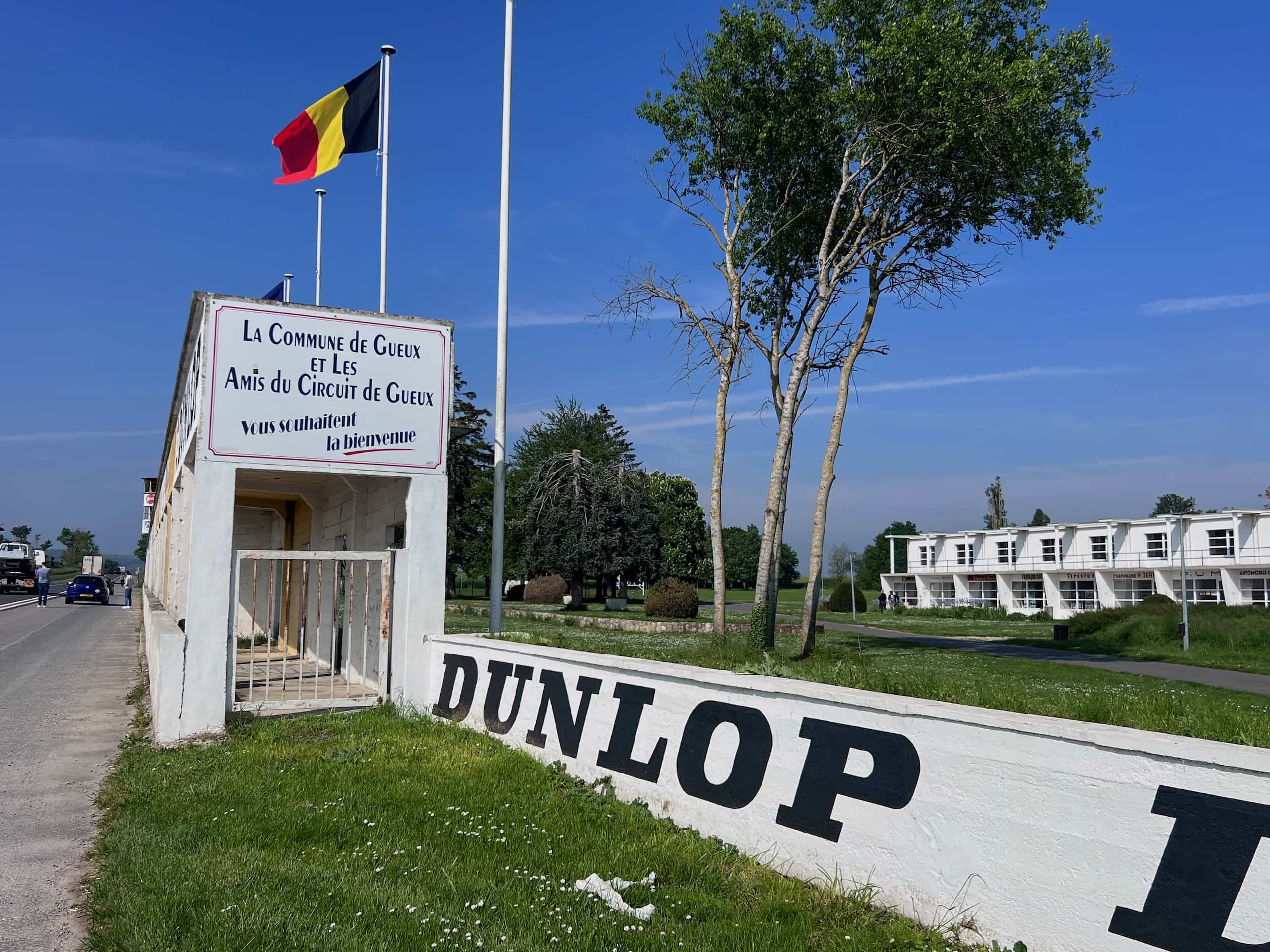
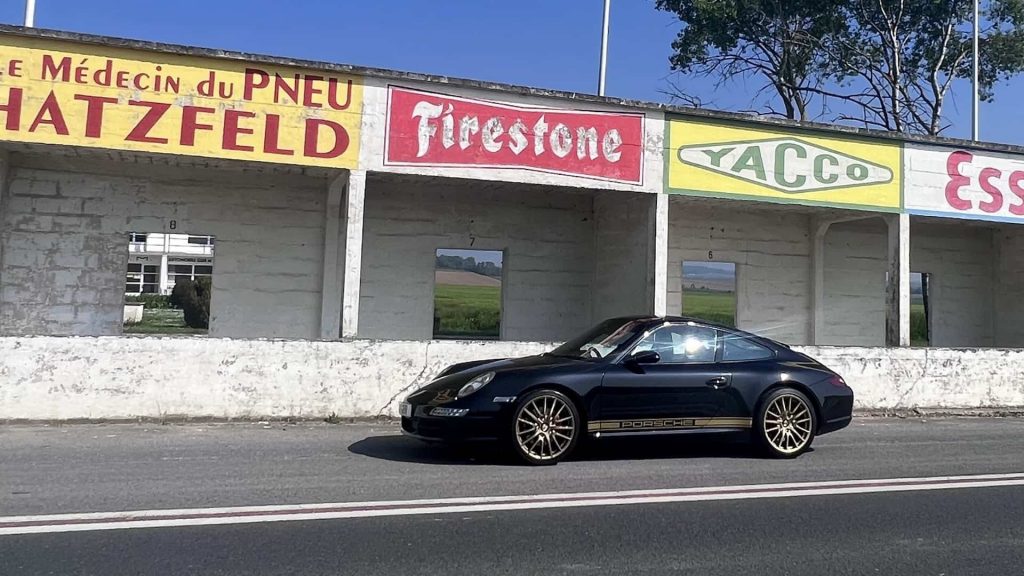
Cirduit Gueux, often referred to today as Les Amis du Circuit de Gueux, is a section of public road that once formed part of a Formula One circuit used between 1950 and 1966. Unlike many historic circuits, much of the original infrastructure still remains. The grandstands are still standing, the pit buildings are intact, and the old advertising boards — Shell, Dunlop, BP — line the road just as they did during the golden era of Grand Prix racing.
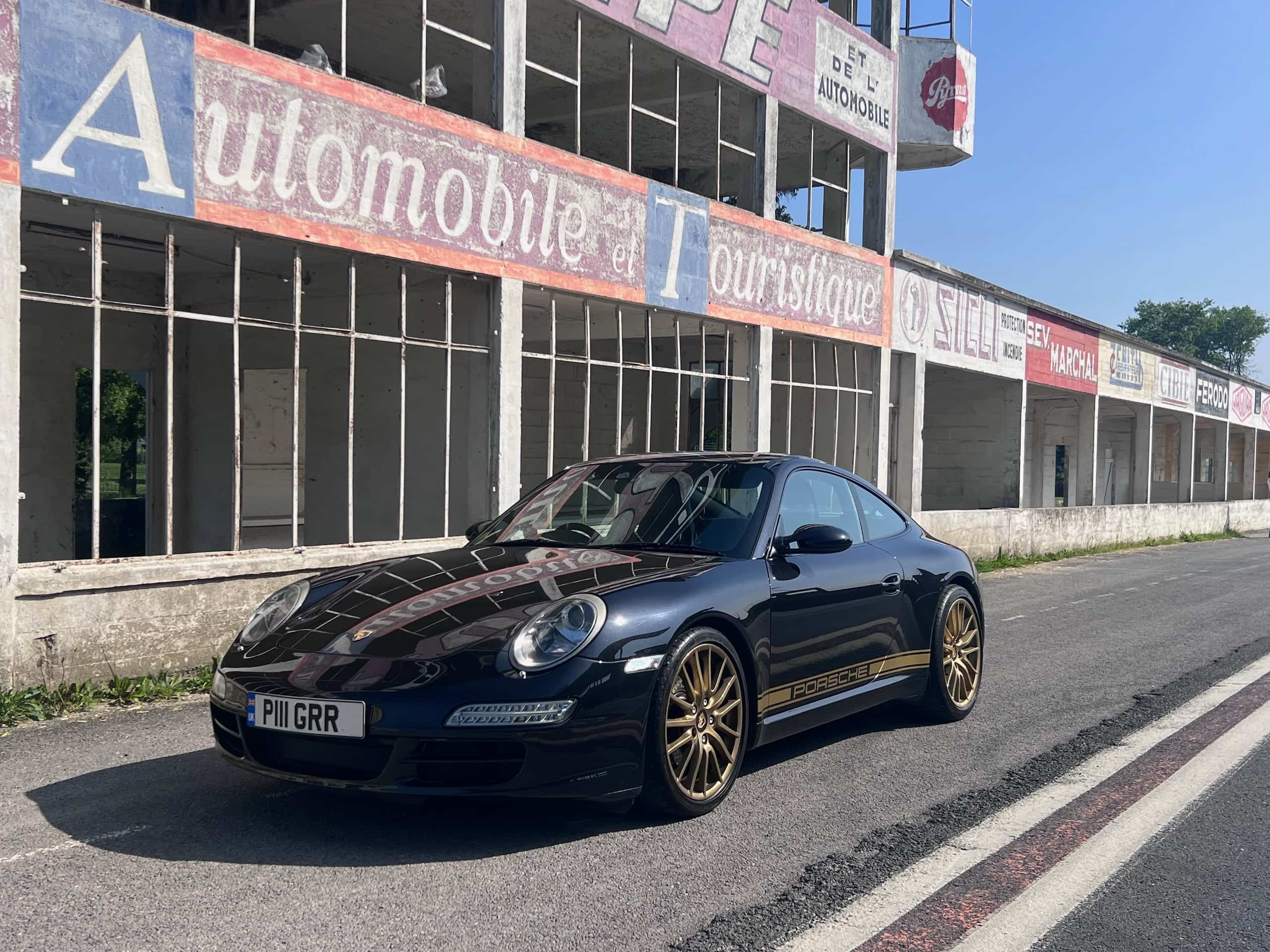
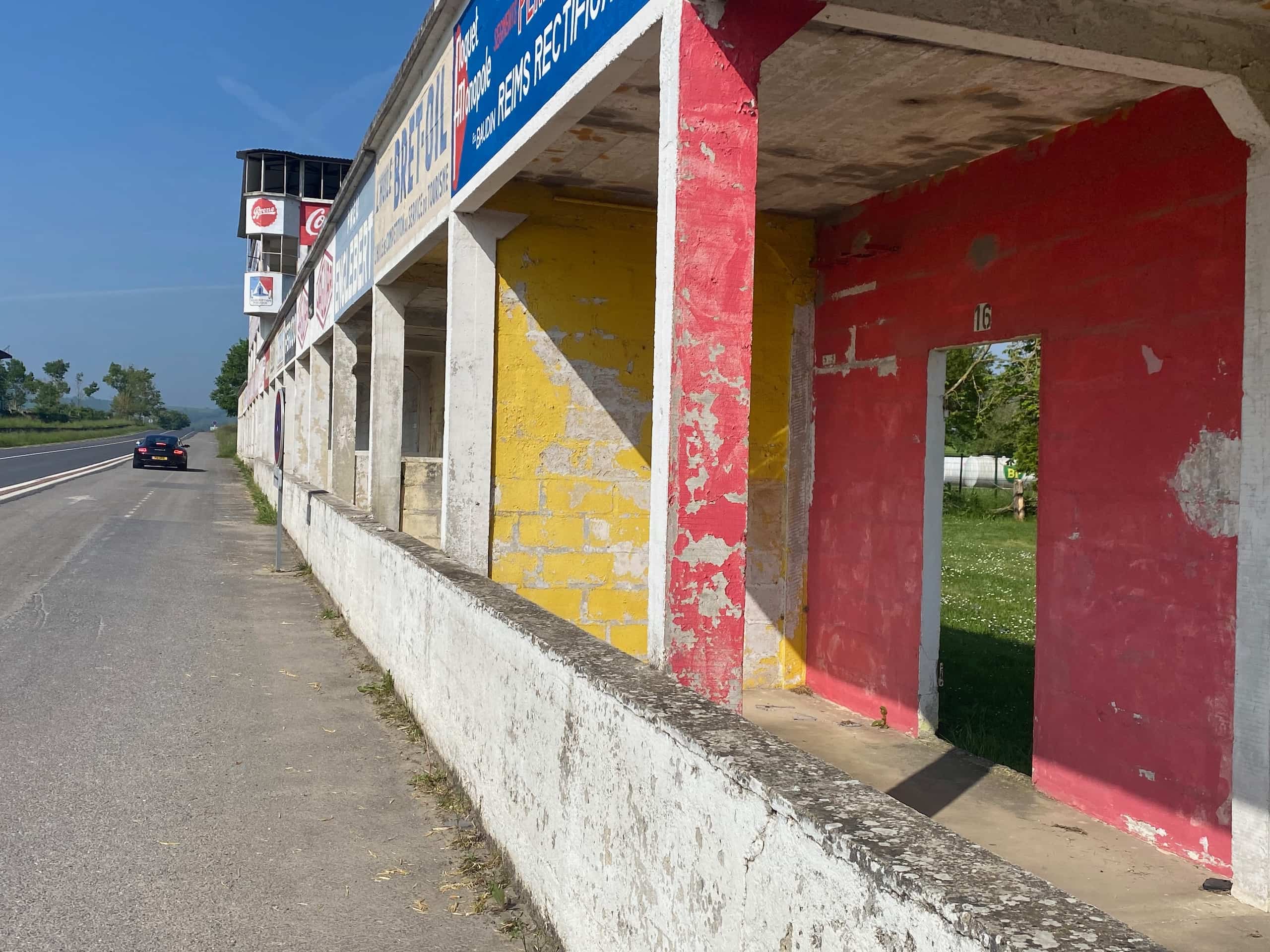
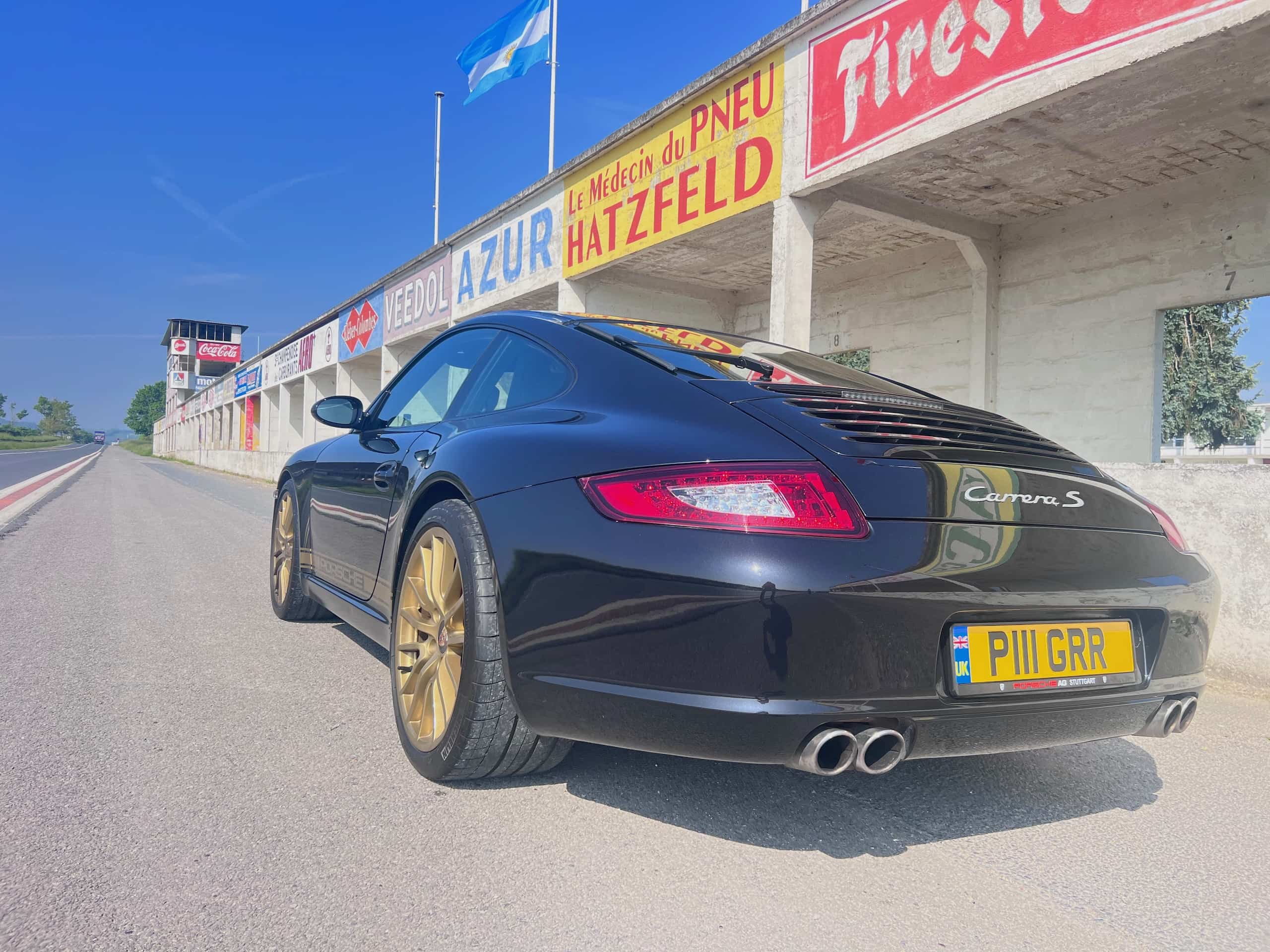
This was a fast circuit, built for speed rather than corners, and it played host to some of the biggest names in motorsport history. Drivers like Juan Manuel Fangio and Stirling Moss raced here, and the road itself still feels wide and purposeful, even now.
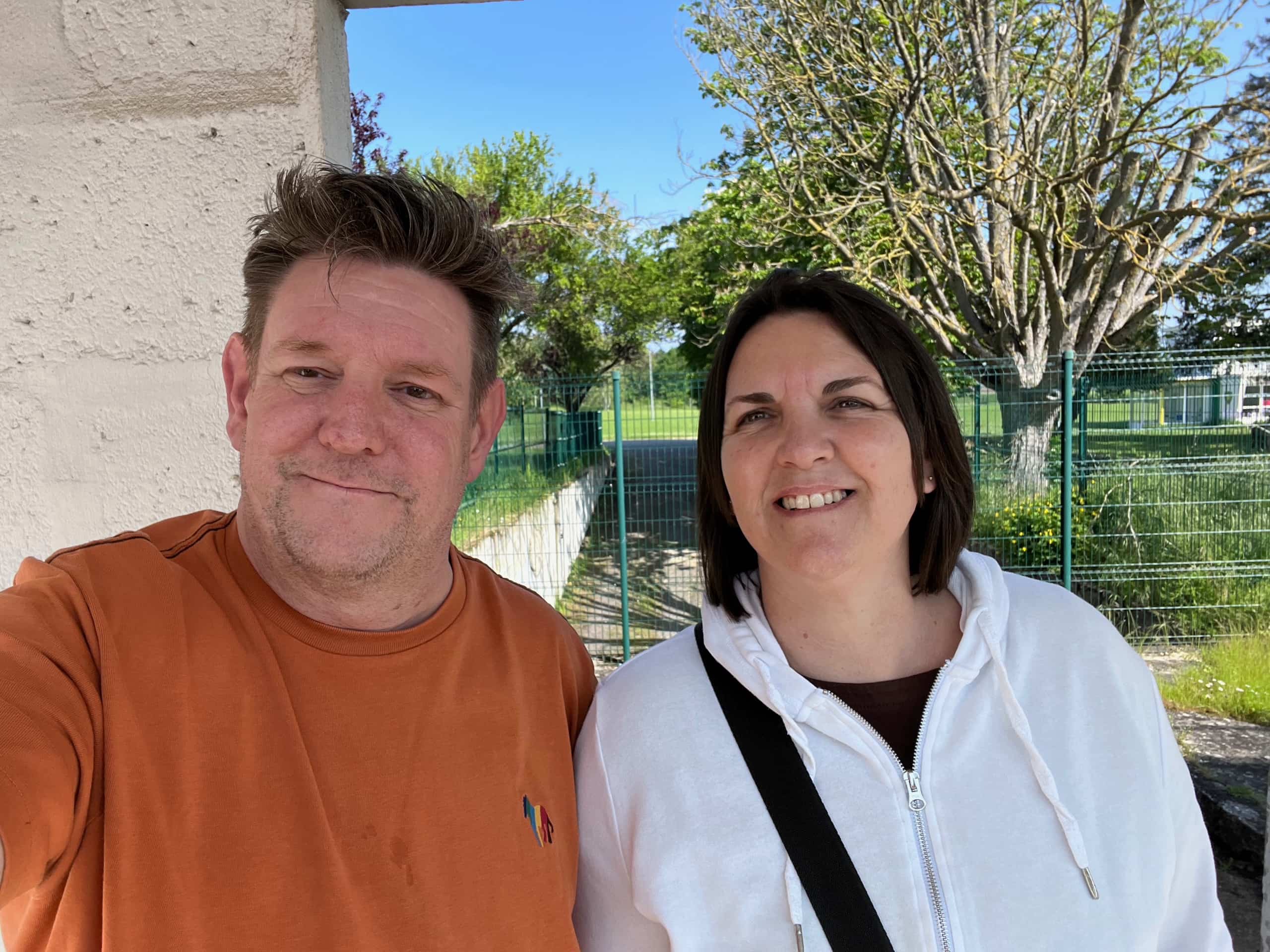
Today it’s just a stretch of public road, but it’s been carefully preserved by enthusiasts, making it a bit of a pilgrimage site for anyone with petrol running through their veins. We took far too many photos, drove slowly up and down the old pit straight filming clips, and generally pretended we were piloting 1950s Grand Prix cars into the pits.
It felt like a fitting way to begin a road trip that would, later in the week, see us watching those same kinds of vintage cars racing through the streets of Monaco.
Langres: Bed for the Night
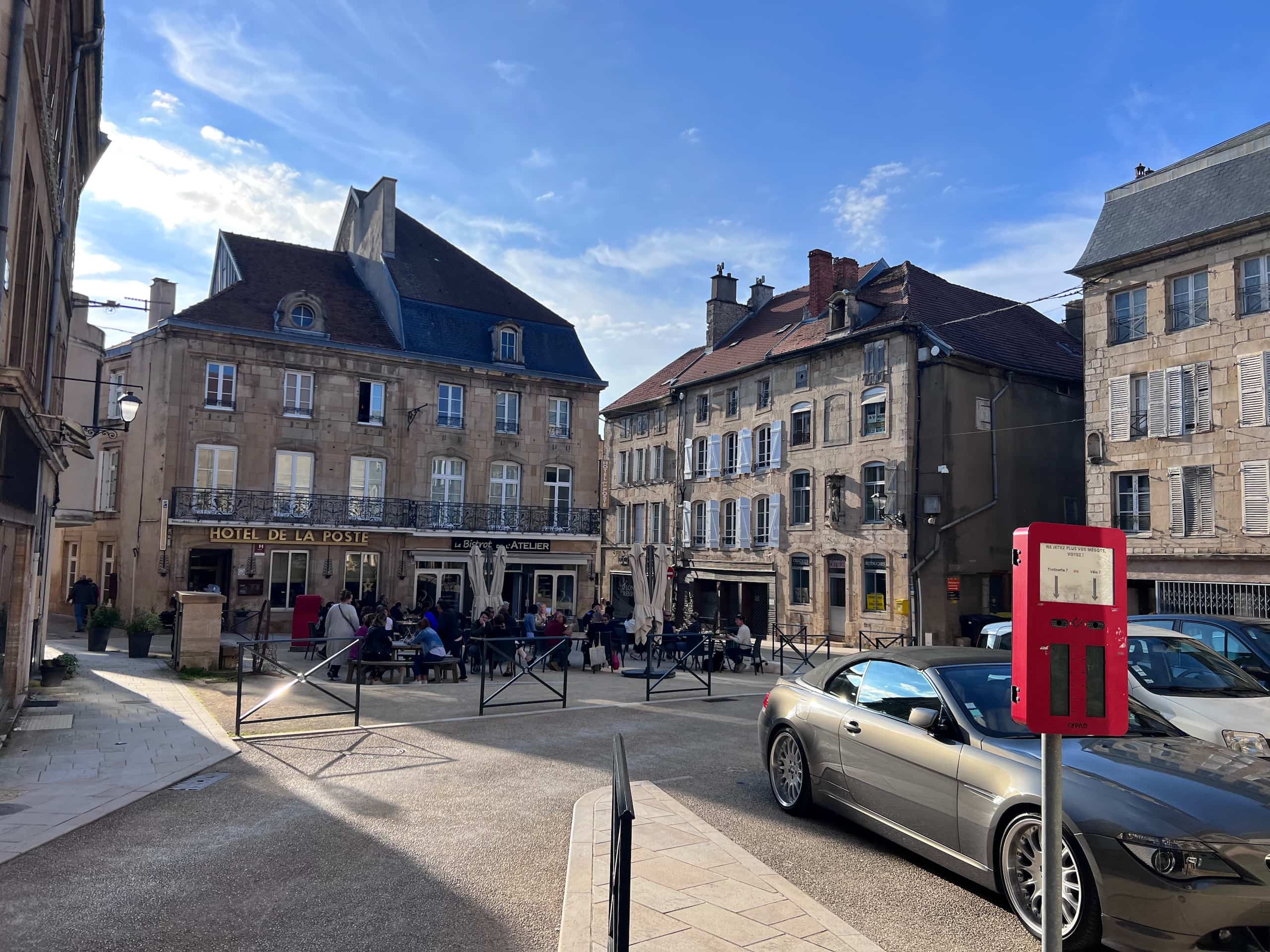
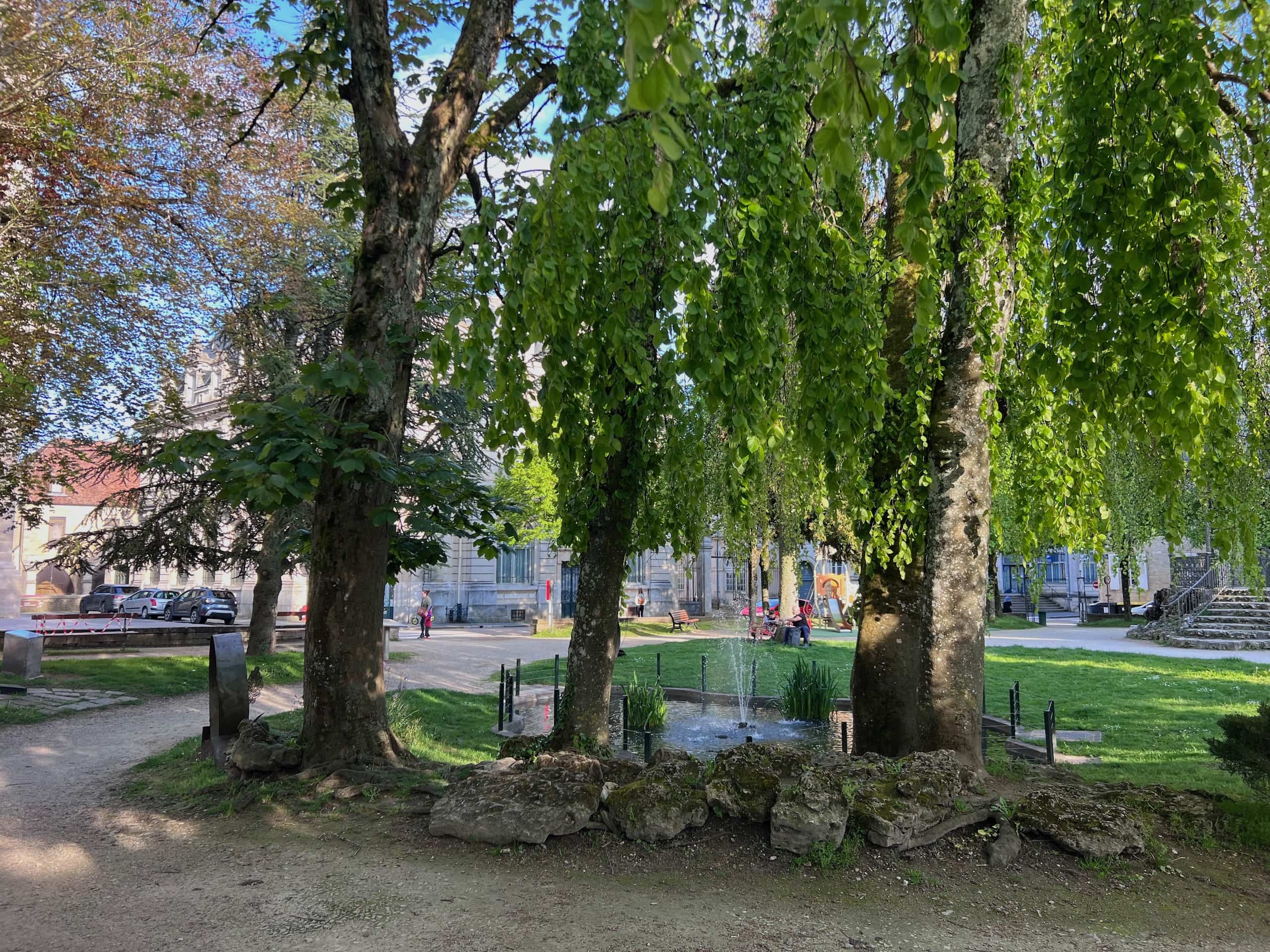
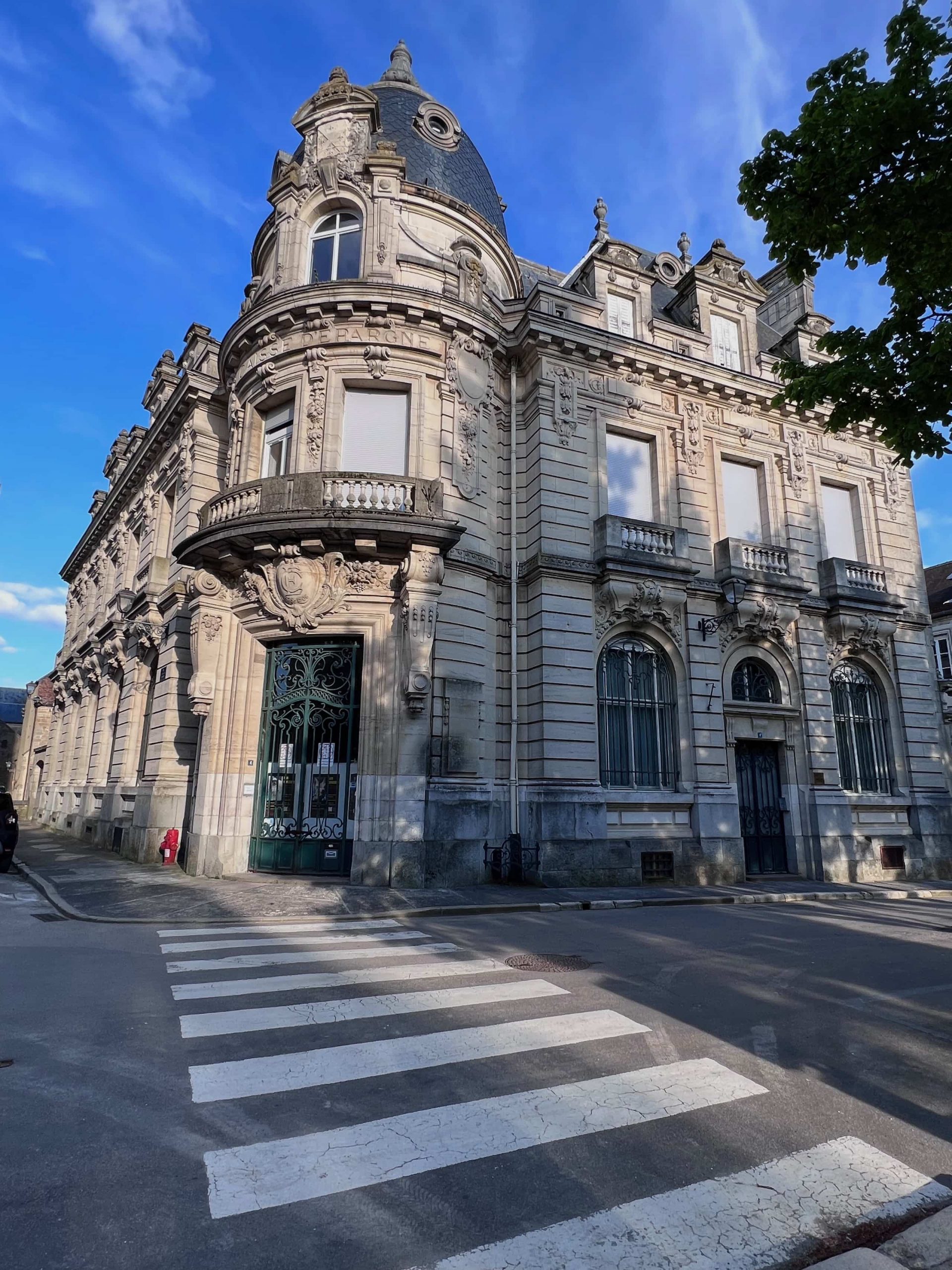
With another three hours or so of driving still ahead of us, it was time to push on towards our stop for the night. By early afternoon we were arriving at Langres, a historic hilltop town surrounded by ancient ramparts. Sitting high above the surrounding countryside, the town has been fortified since Roman times, with much of its defensive walls still intact today. The ramparts stretch for several kilometres and offer wide views across the Champagne and Burgundy landscapes, making it easy to see why Langres was considered such a strategic location for centuries. Its historic centre has a slightly self-contained feel lots narrow streets, stone buildings and a pace that encourages you to slow down almost immediately. If you want to learn more about Langres and the area Offbeat France has a great blog about it
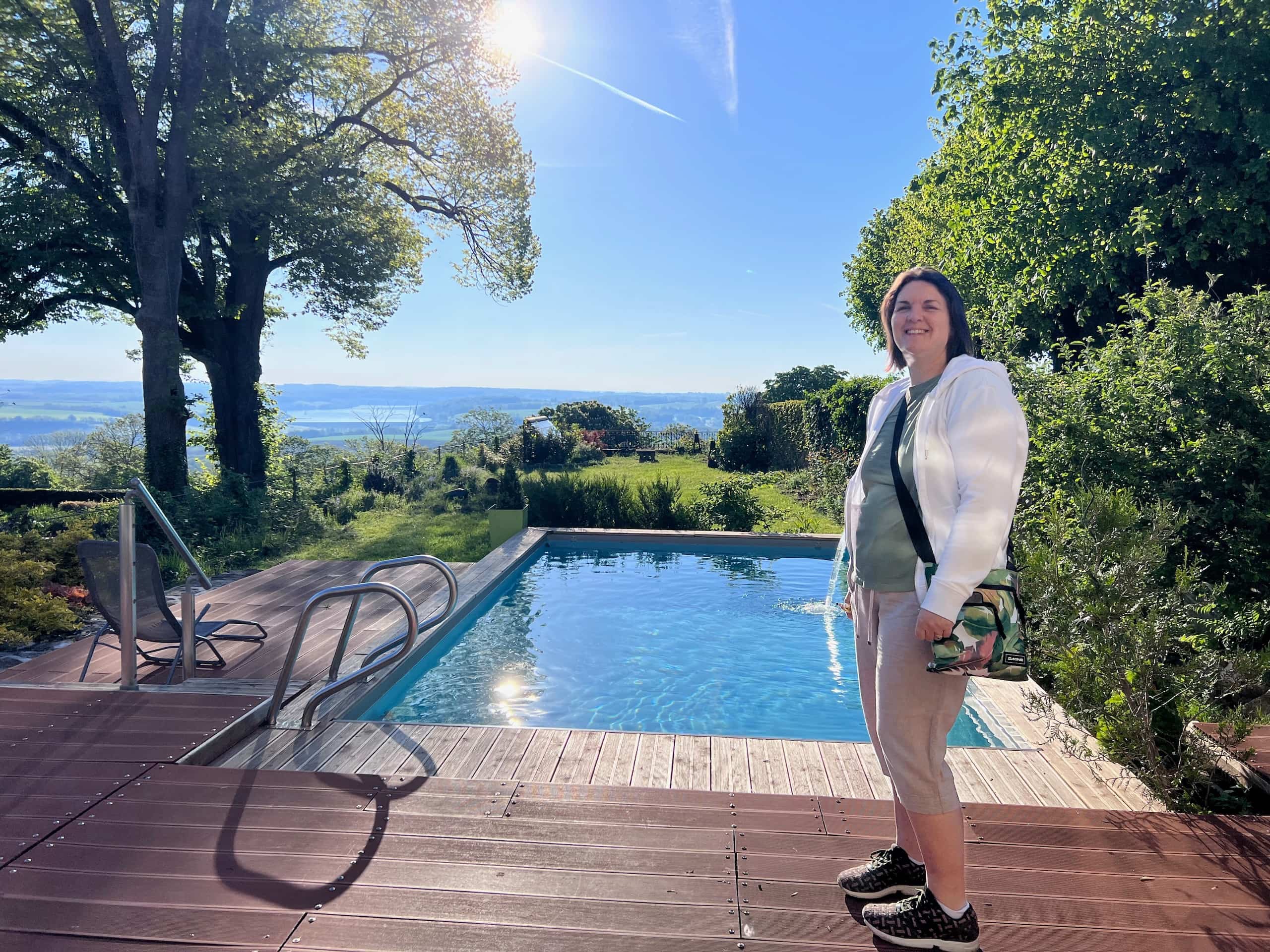
We stayed at Le Belvédère des Remparts, a beautiful B&B tucked into the old town walls. Whenever we drive south through France, we try to squeeze in a visit here if we can. The views are wonderful, the breakfasts are exceptional, and Laurent and his wife are the kind of hosts who go out of their way to make you feel at home. You can find out more on their website here : https://lebelvederedesremparts.com/
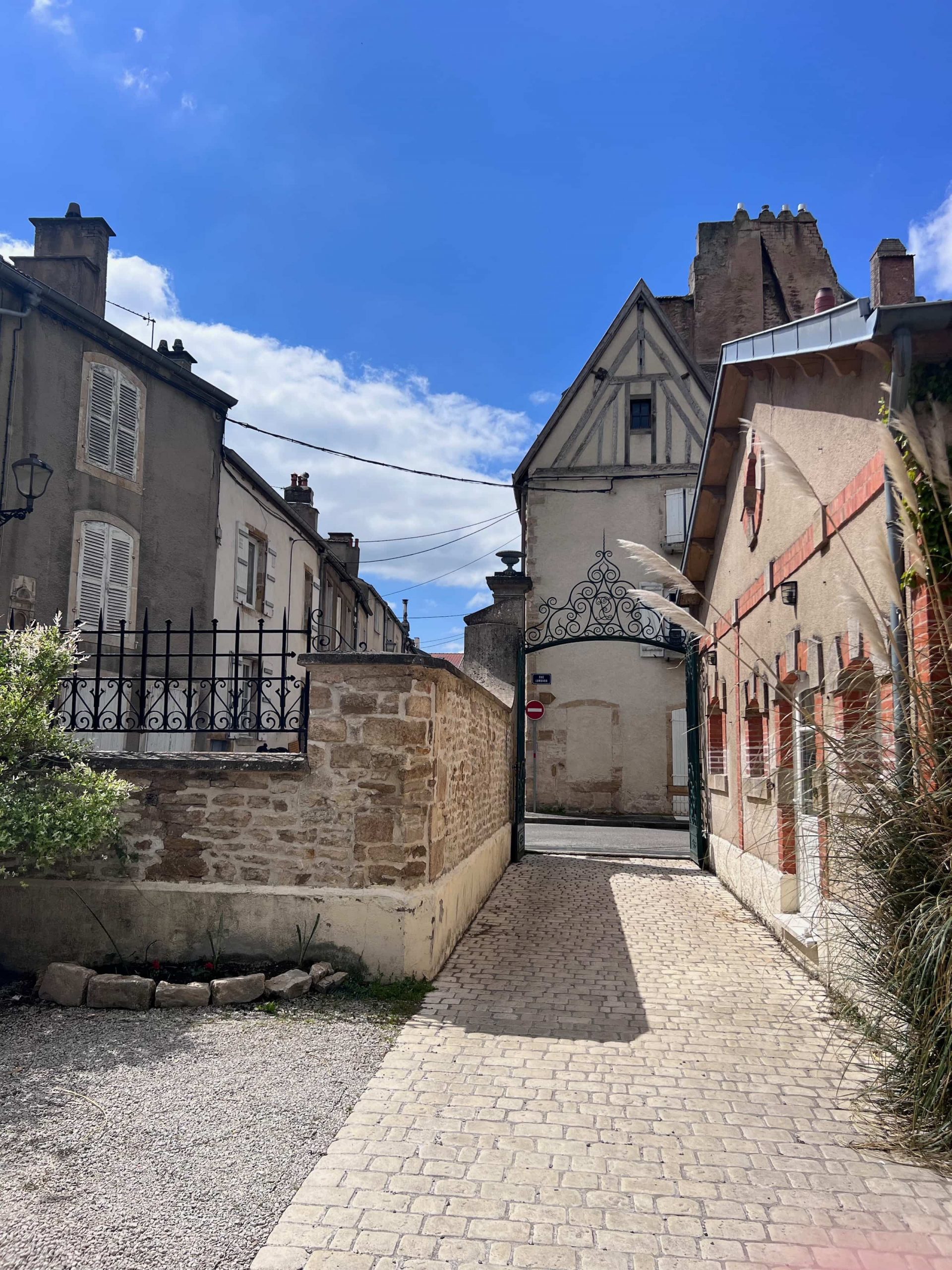
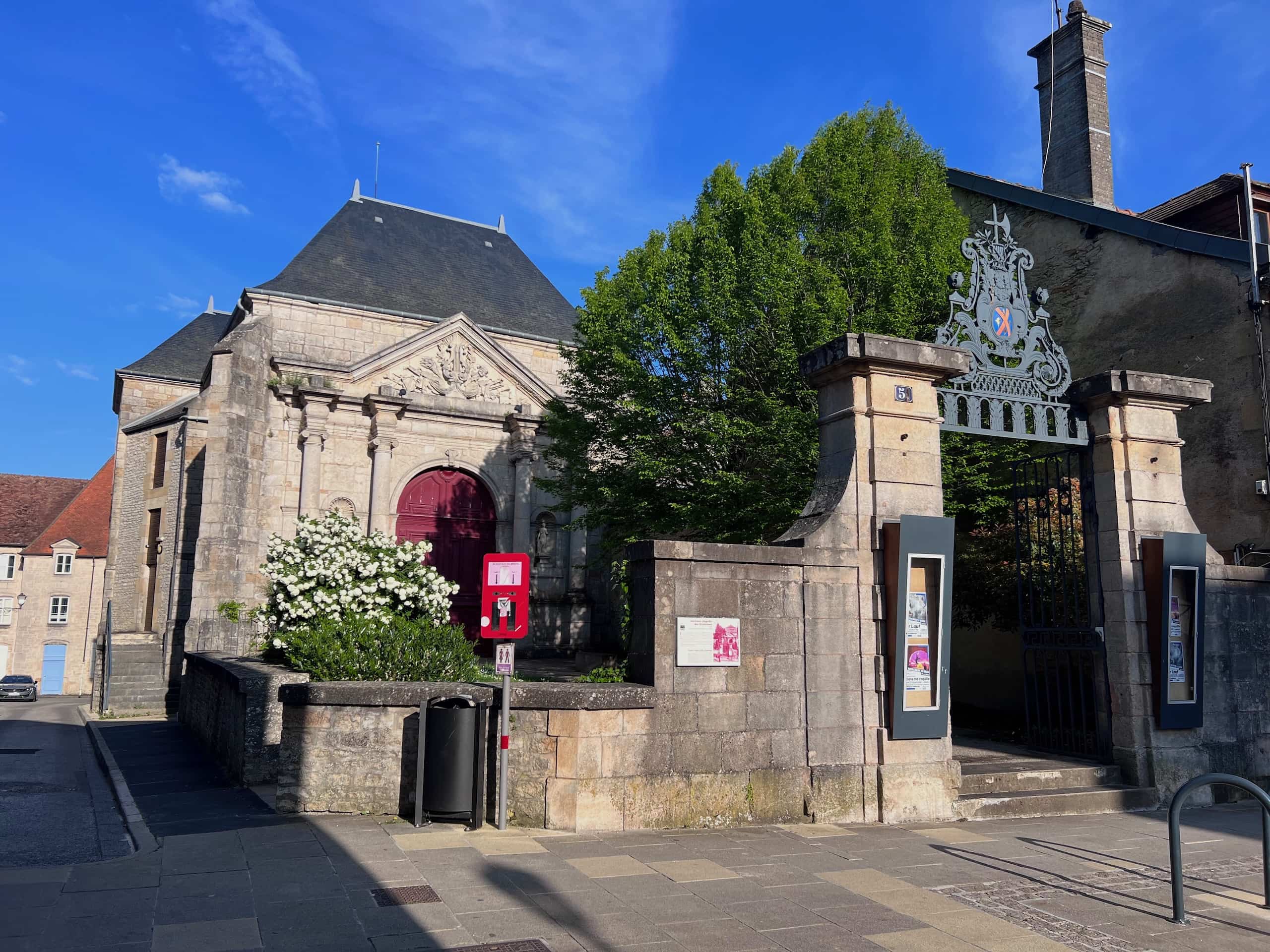
That evening we wandered the narrow streets of Langres, stopped for a coffee, and ate at a small local restaurant close to the B&B. I can’t remember exactly what I ordered — there was the usual moment where my limited French worked perfectly until the reply came back at about a hundred miles an hour, at which point my blank expression probably told its own story.
A couple of beers later, and after nearly twenty hours on the go, it was time to head back and get some sleep.
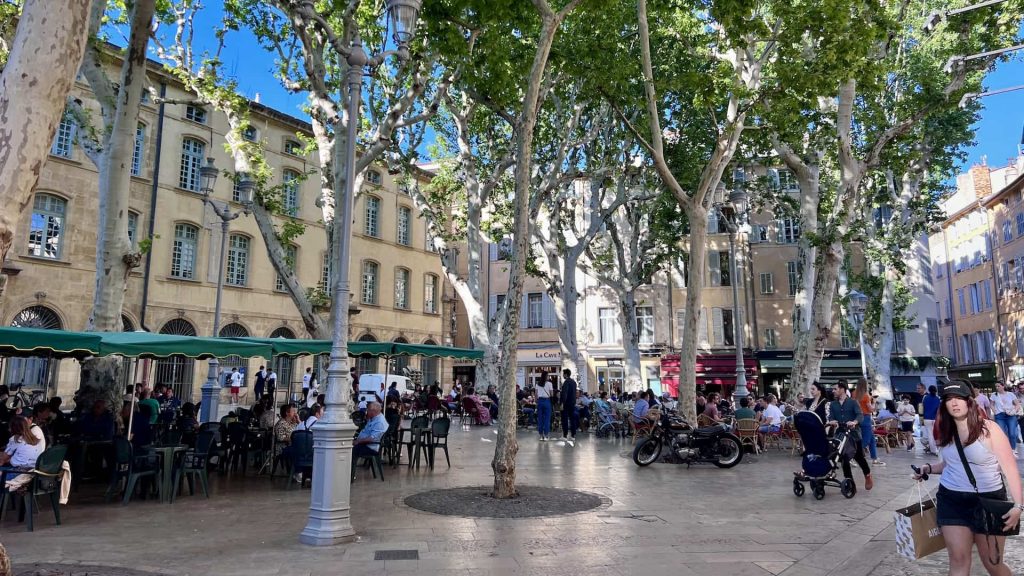
Tomorrow, we’d be heading further south to Aix-en-Provence — a place we’d talked about visiting for years but never quite managed to fit into a previous trip.
 South of France Road Trip 2024 – Derby to the French Riviera in a Porsche 911
 Langres to Aix-en-Provence: Toll Roads, Lyon Traffic & First Impressions of Provence