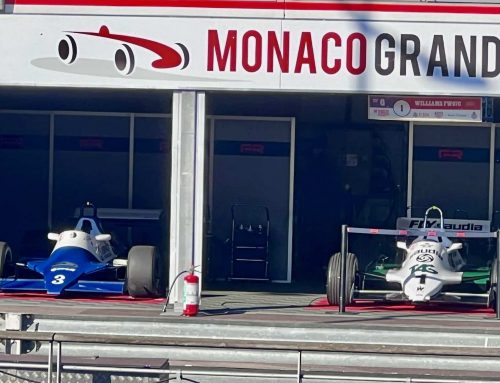

Rather than overload the main write up with dozens of images, this gallery brings together the close-up photographs and videos we captured across the day in the pits, on the grid and out on track, showing the cars that made the Monaco Classic such a special event.
The main Monaco Classic Grand Prix post tells the story of the day itself — the early start, the drive into Monaco, the grandstands, the atmosphere and everything that went with watching historic racing on the streets of the Principality.
This post is the visual companion to that story.
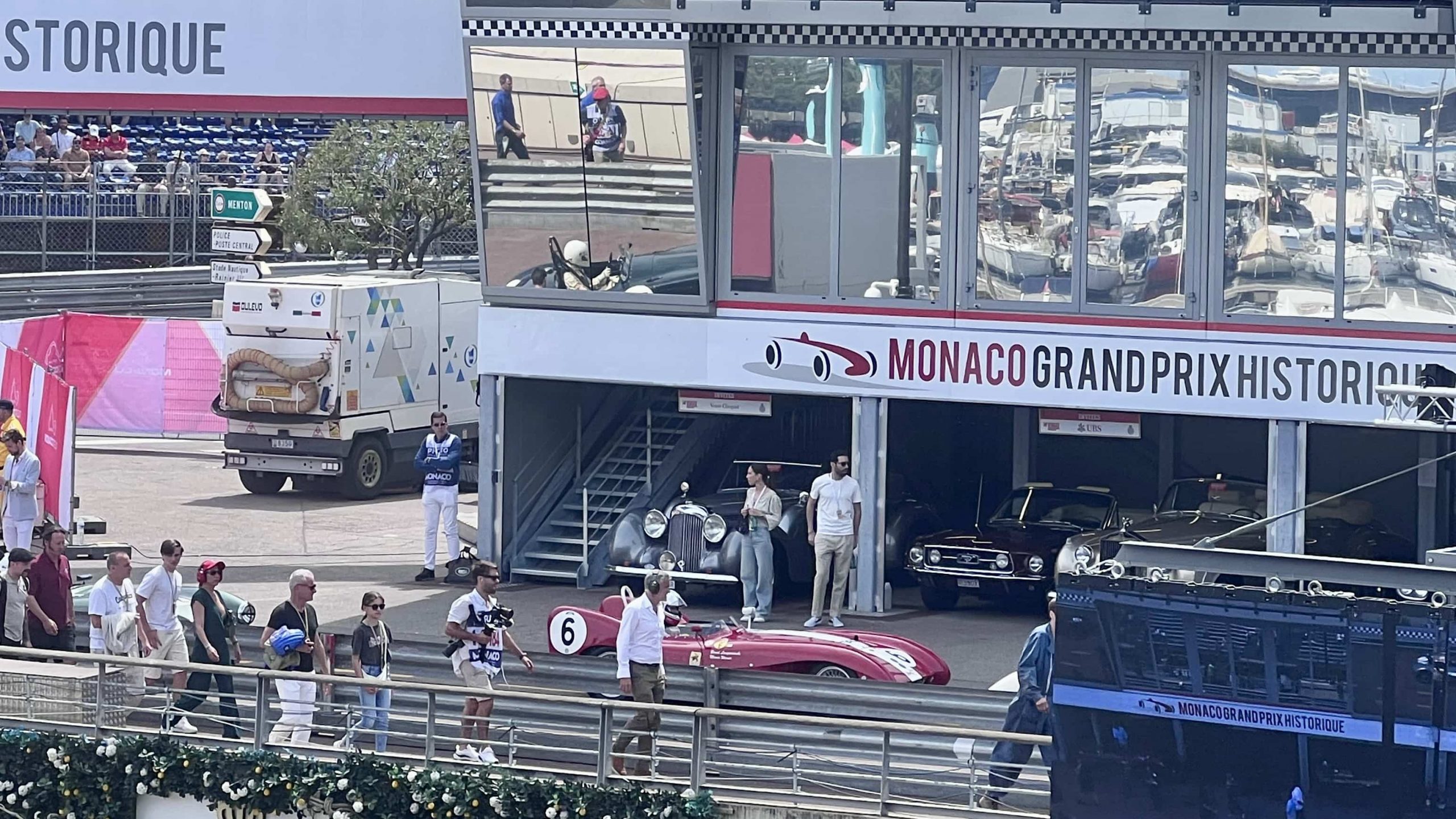
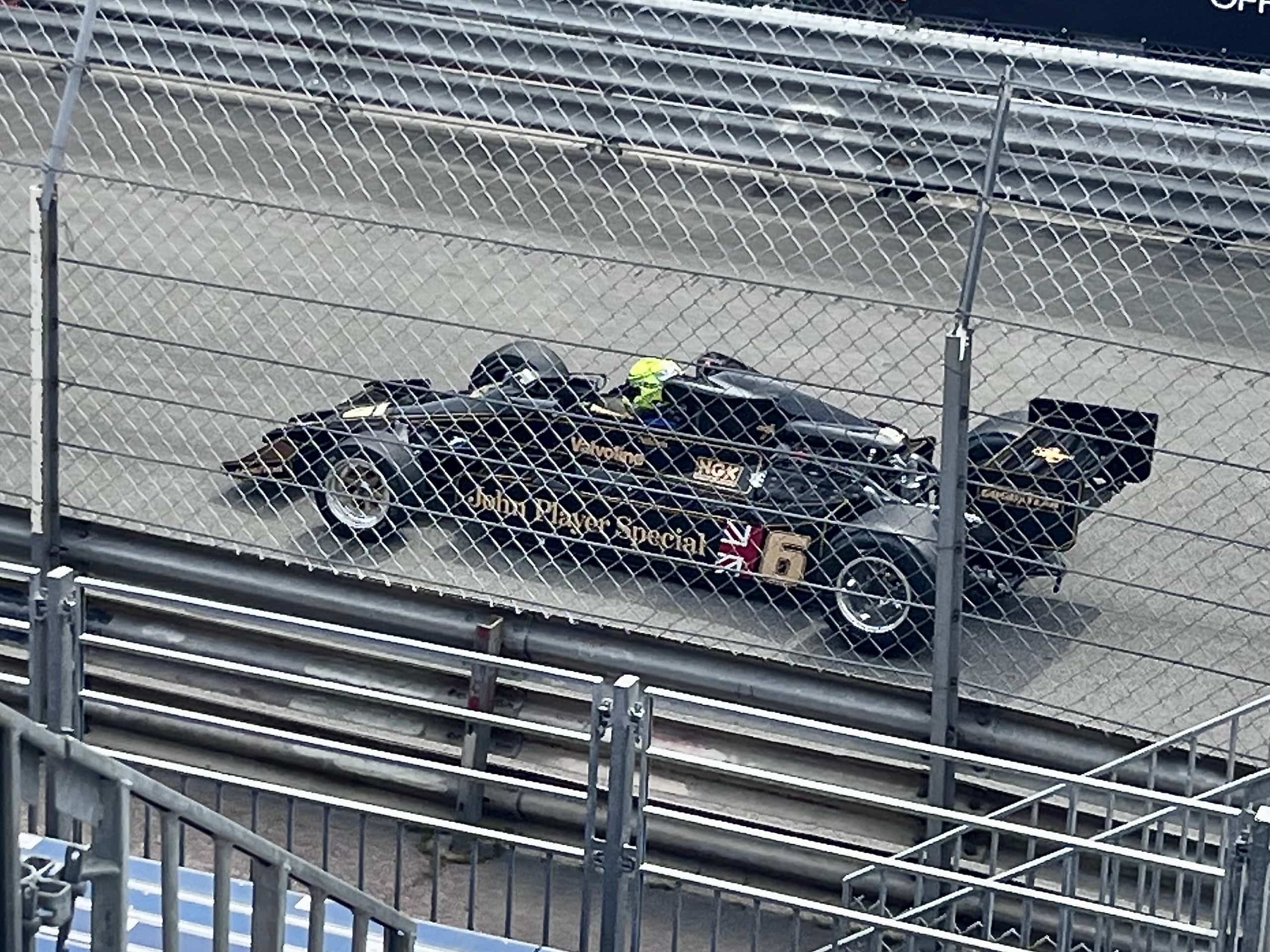
Historic Formula One Cars
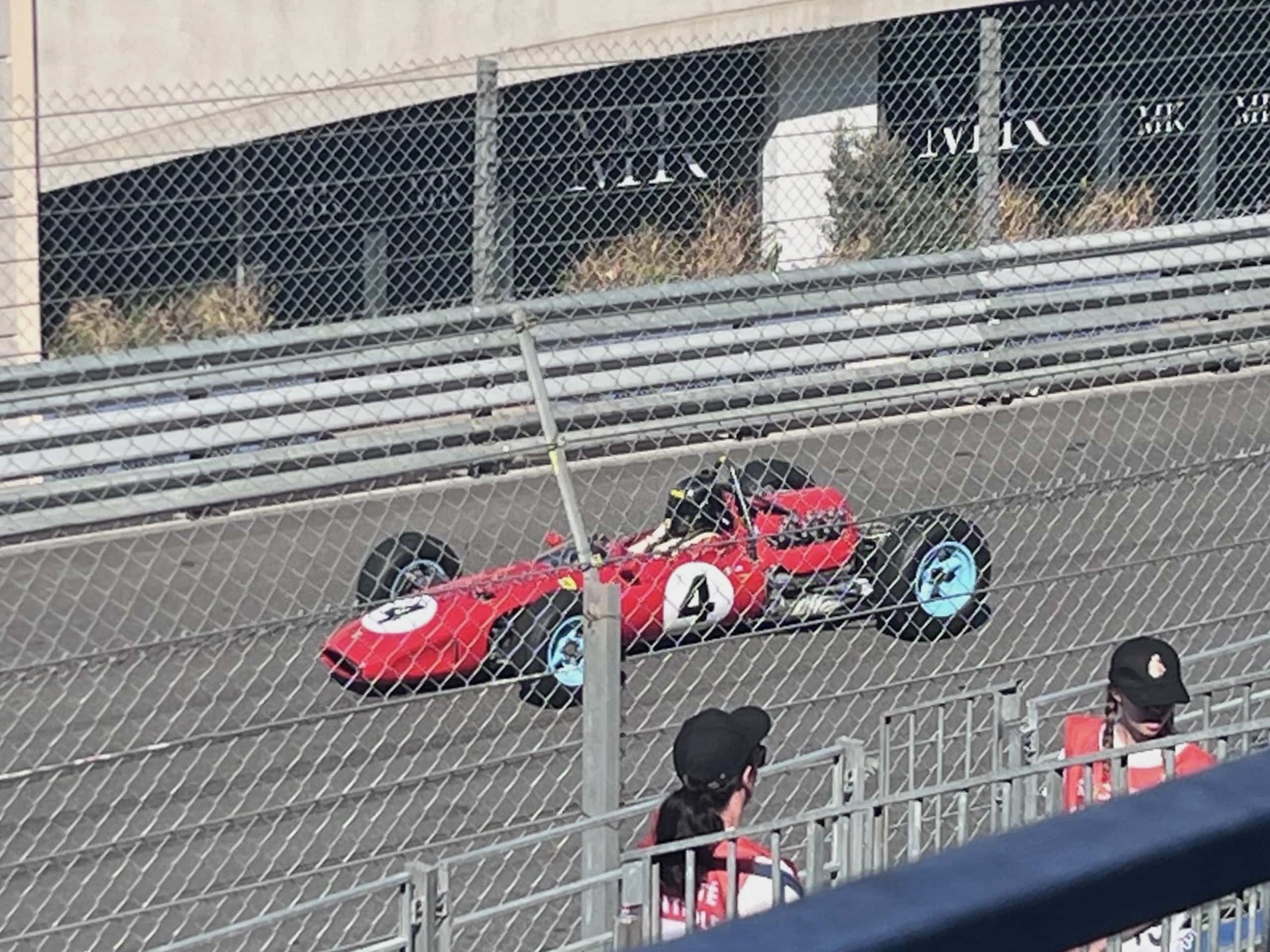
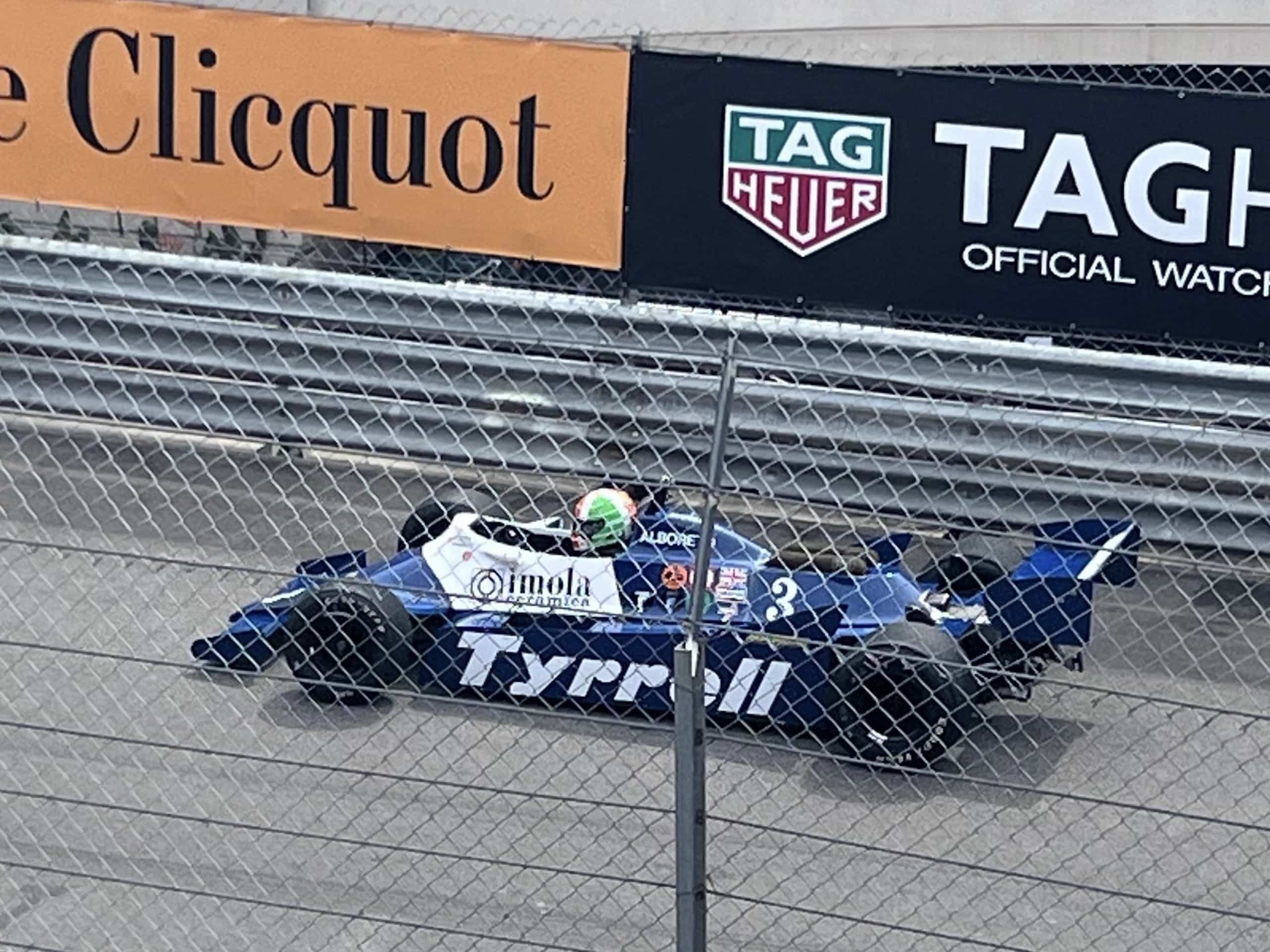
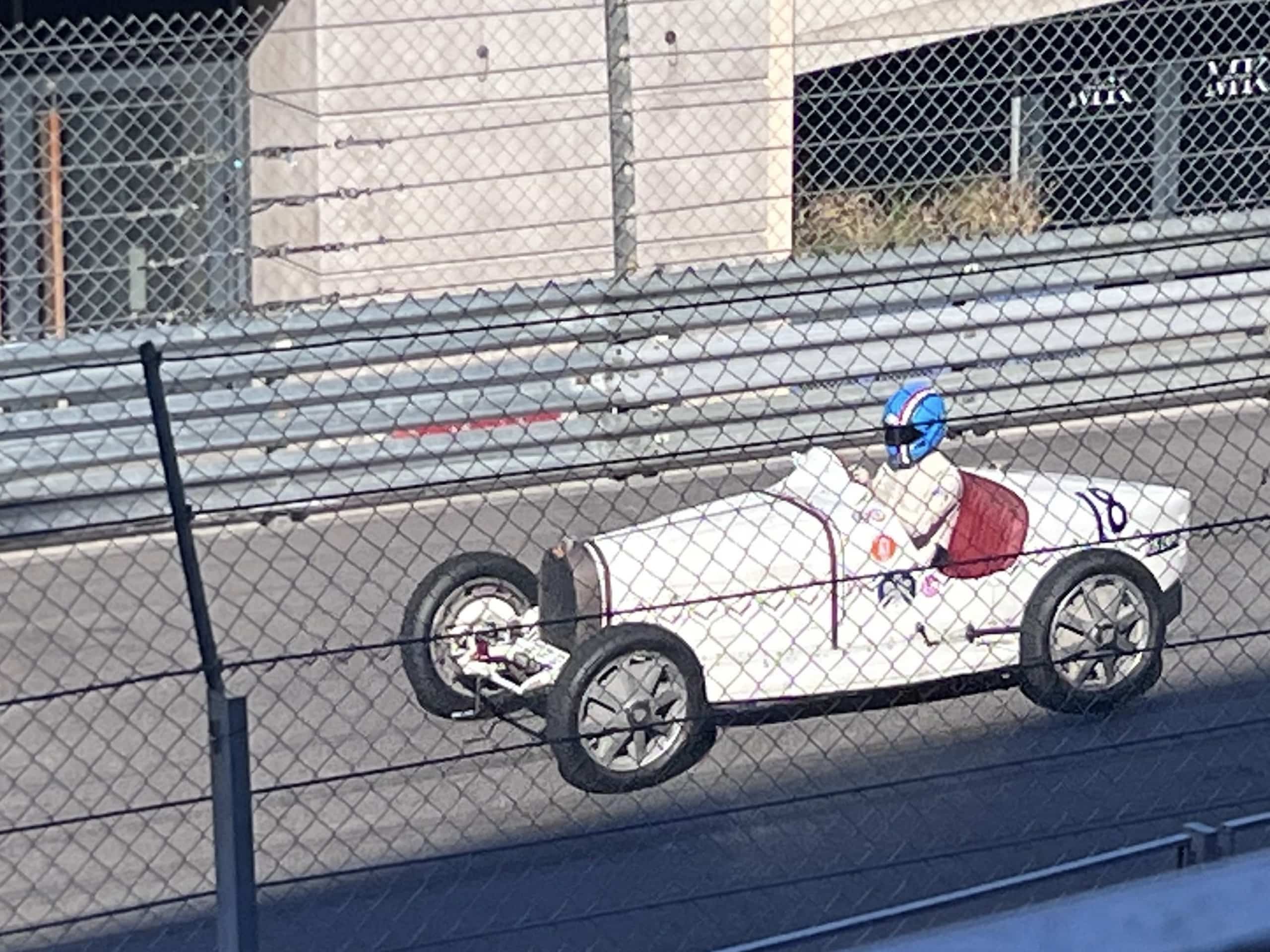
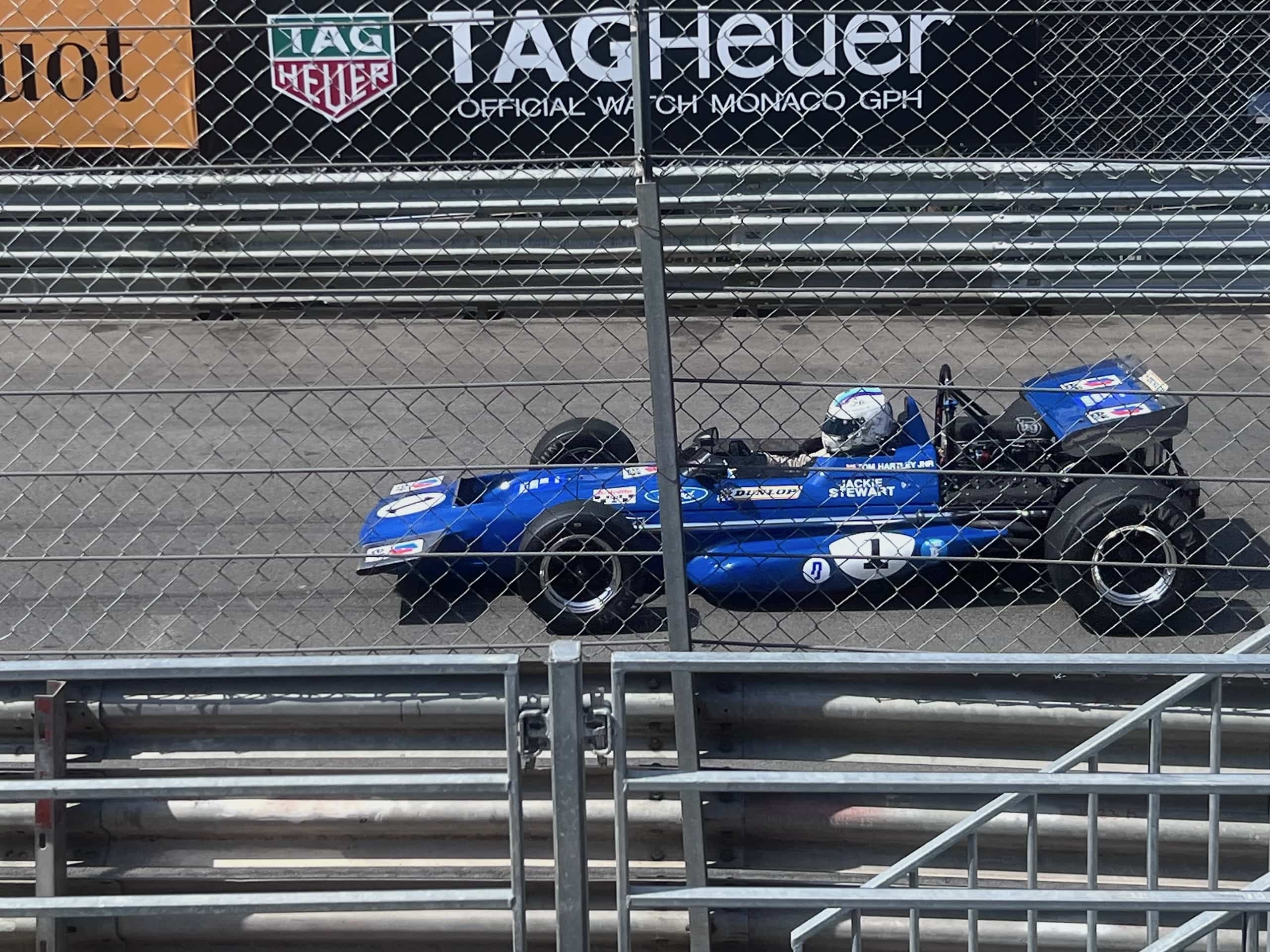
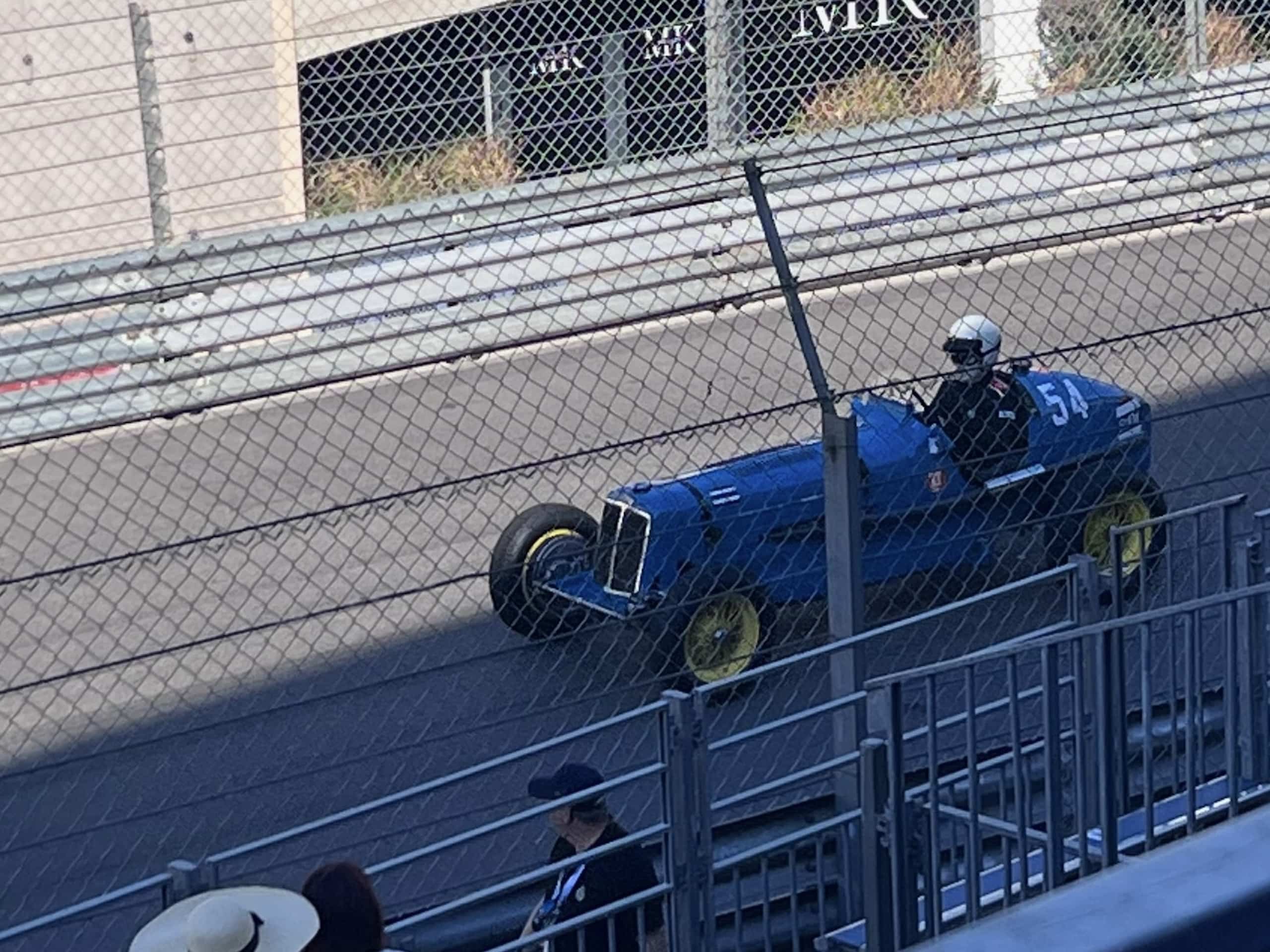
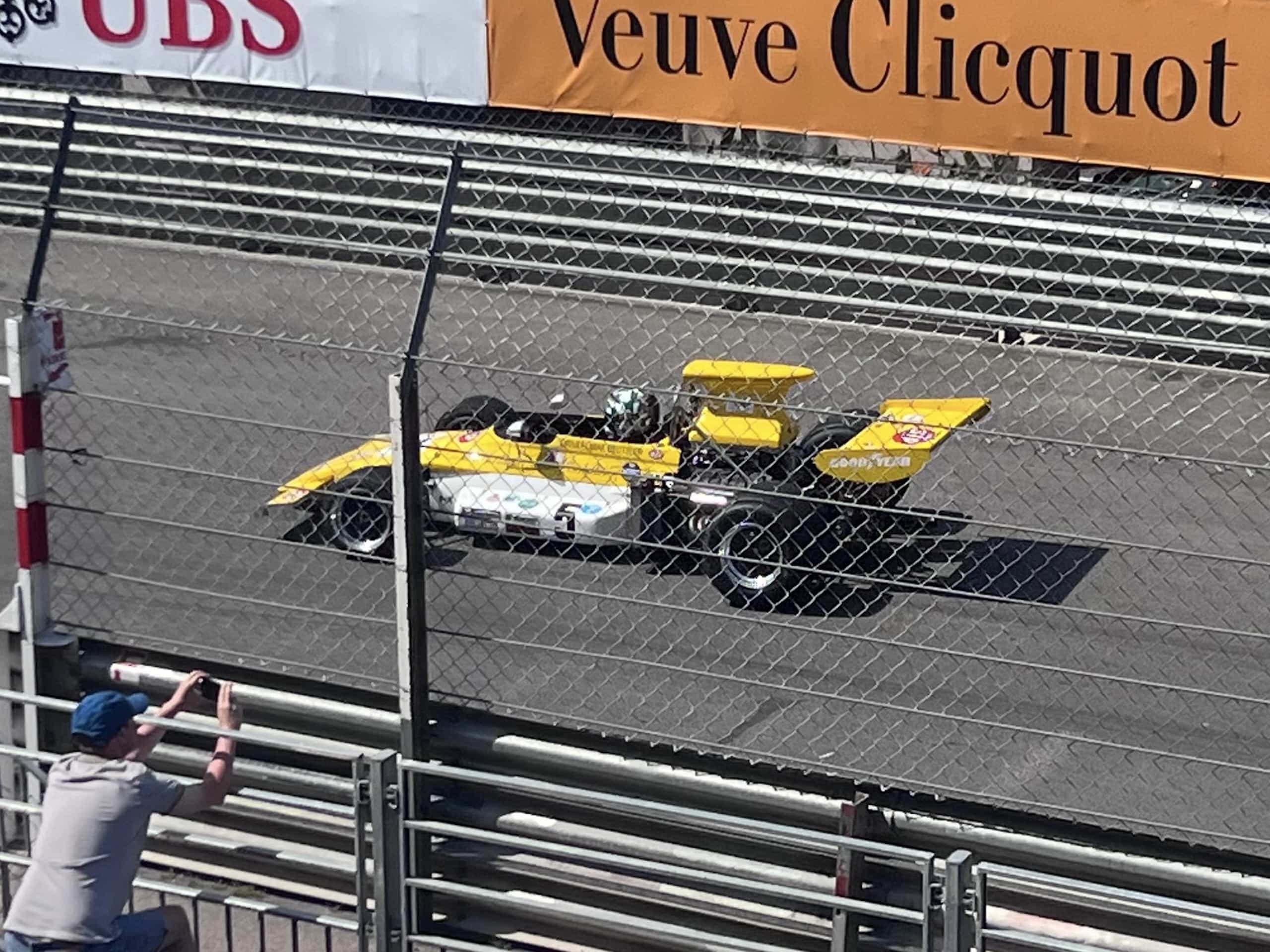
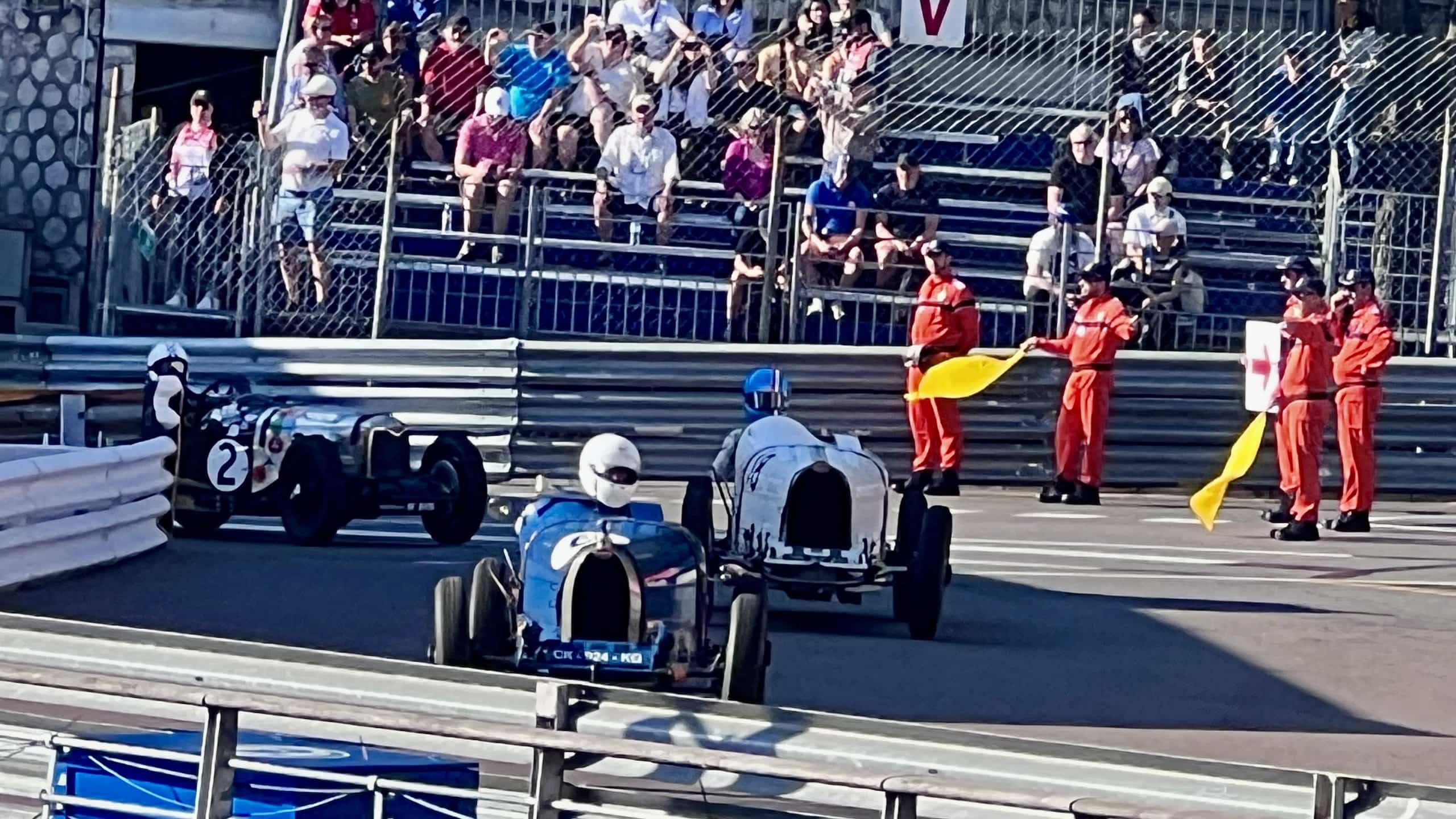
The Formula One grids at the Monaco Classic span several eras of Grand Prix racing, from early front-engined cars through to the machines many of us grew up watching on Sunday afternoons.
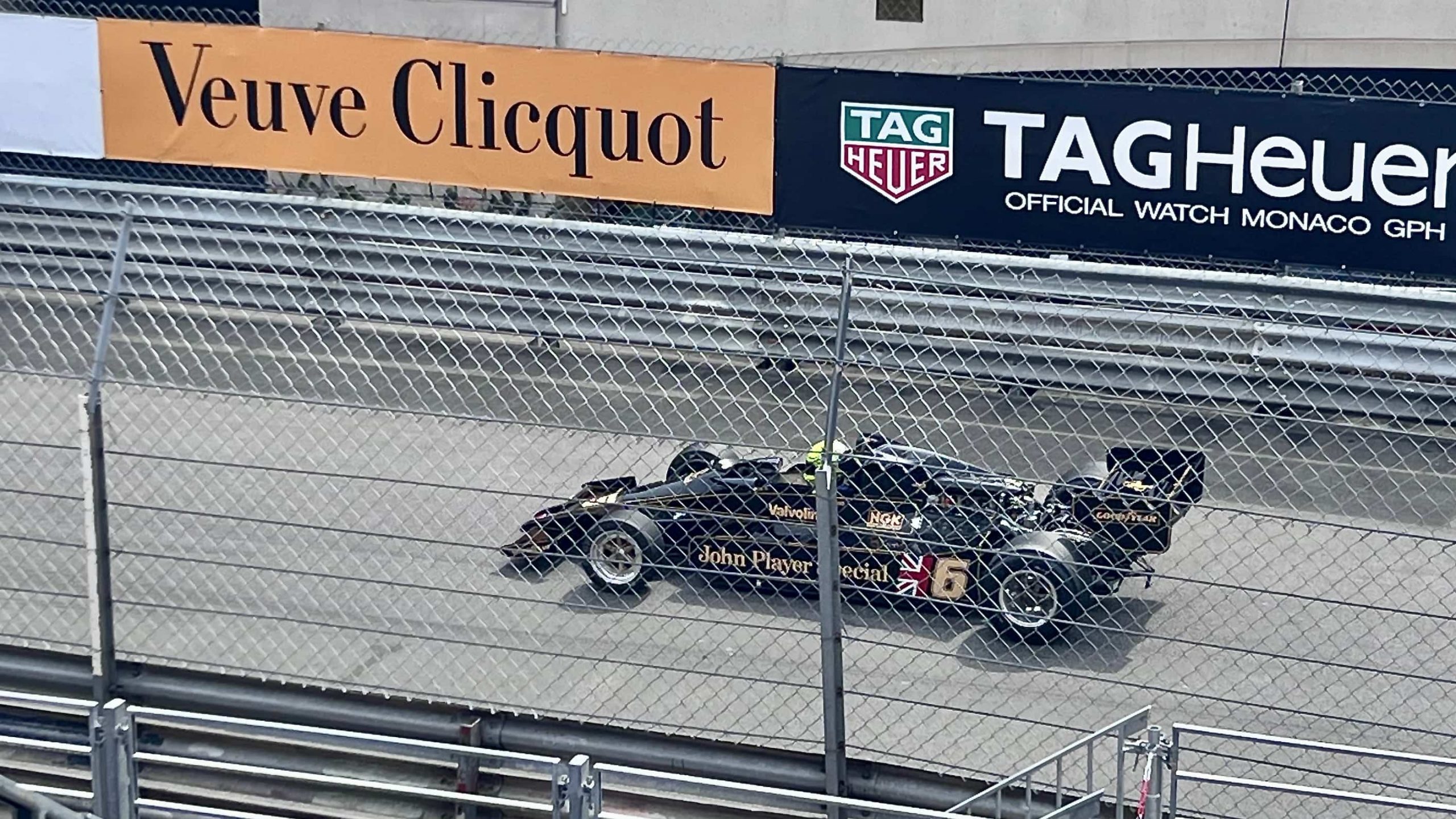
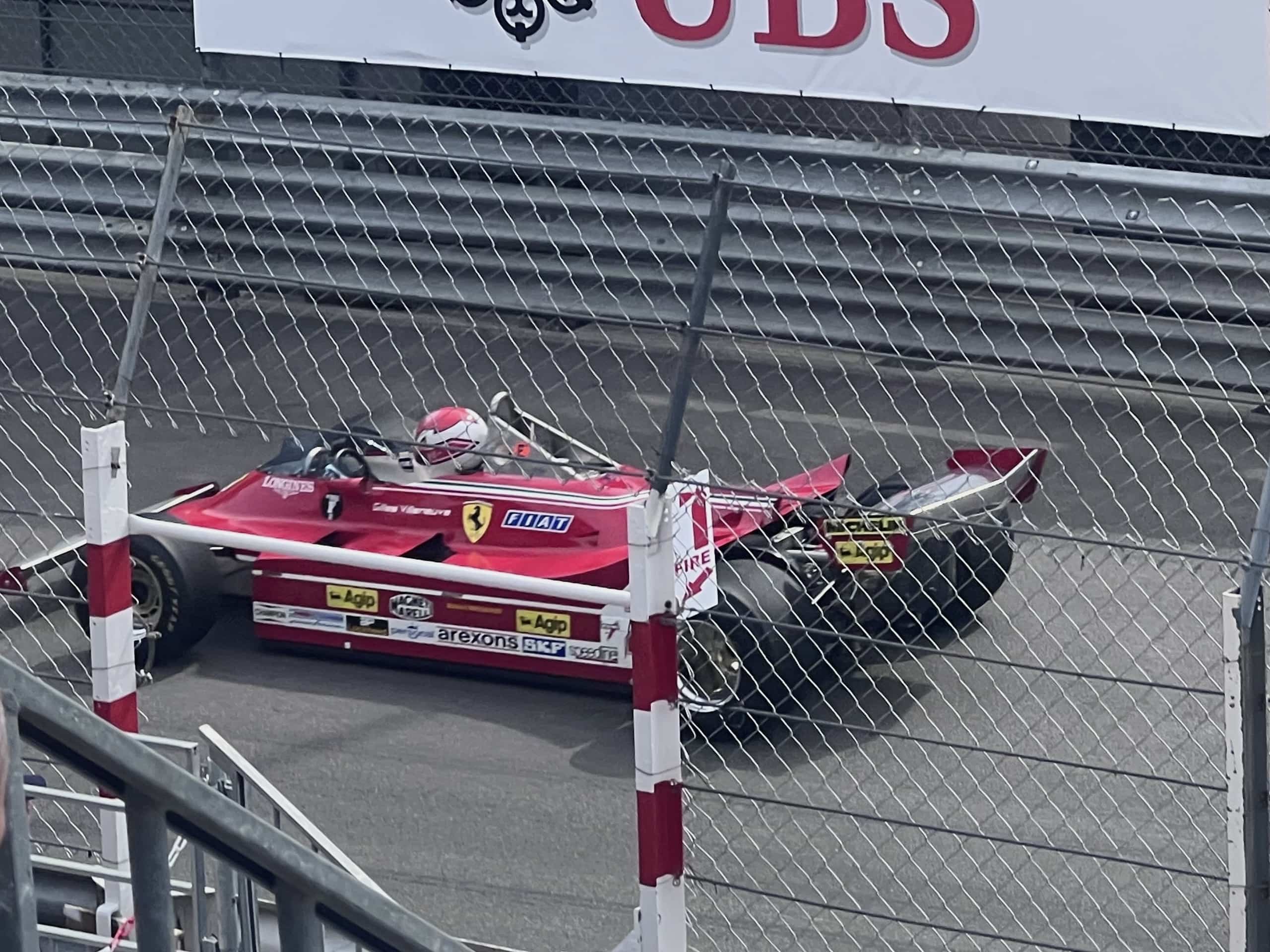
Among the highlights were beautifully prepared cars from the 1950s and 1960s, including front-engine racers like the Ferrari Dino 246, alongside later rear-engine designs that defined Formula One’s golden era.
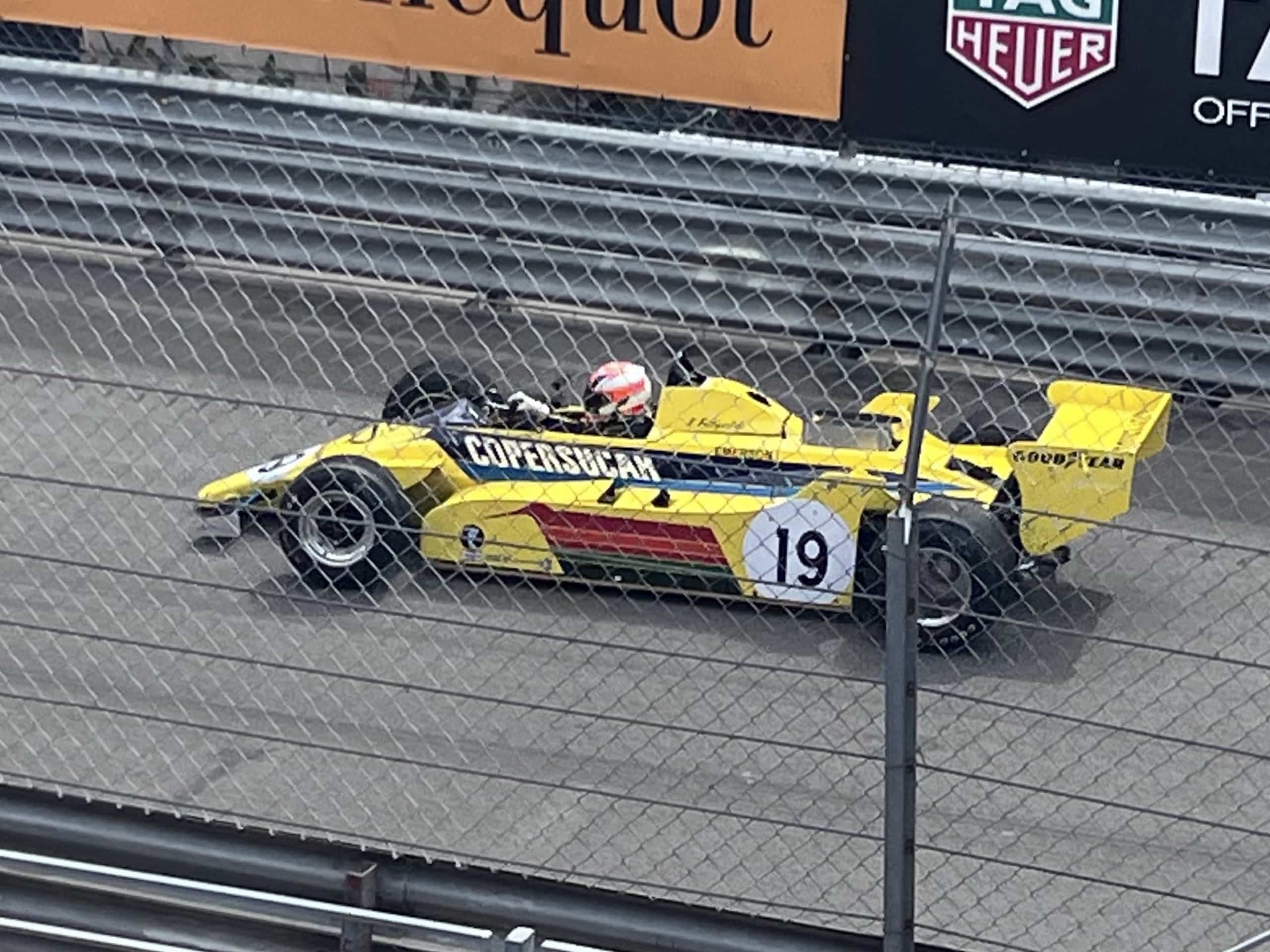
Cars from the 1970s and 1980s were particularly evocative — the kind of machinery associated with drivers such as Nigel Mansell, Ayrton Senna, Niki Lauda and Jackie Stewart. Seeing these cars back on track, driven properly rather than just displayed, is something modern Formula One simply can’t replicate.
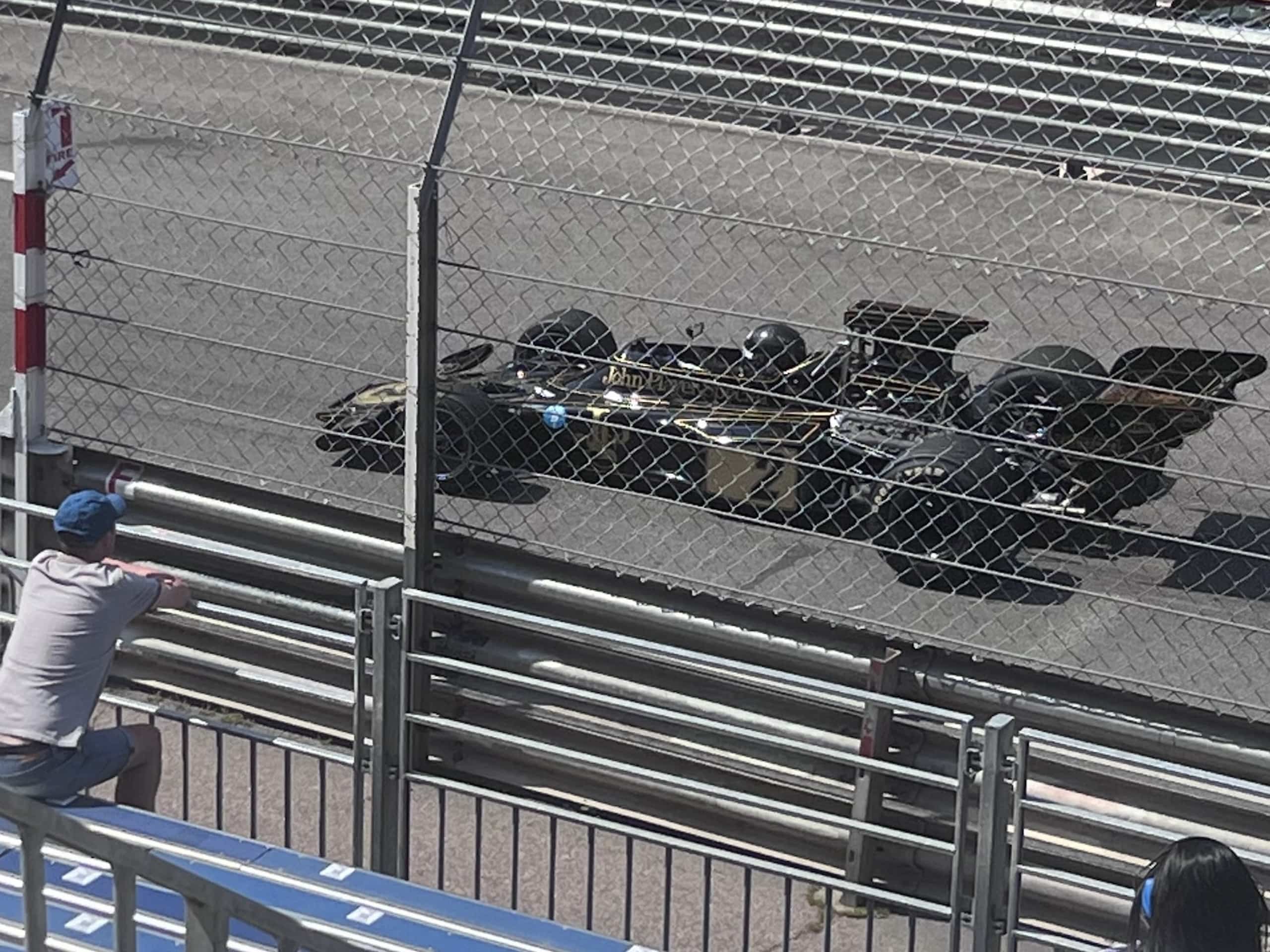
One standout for me was the iconic black and gold Lotus 72 — a car that remains one of the most recognisable and influential Formula One designs of all time.
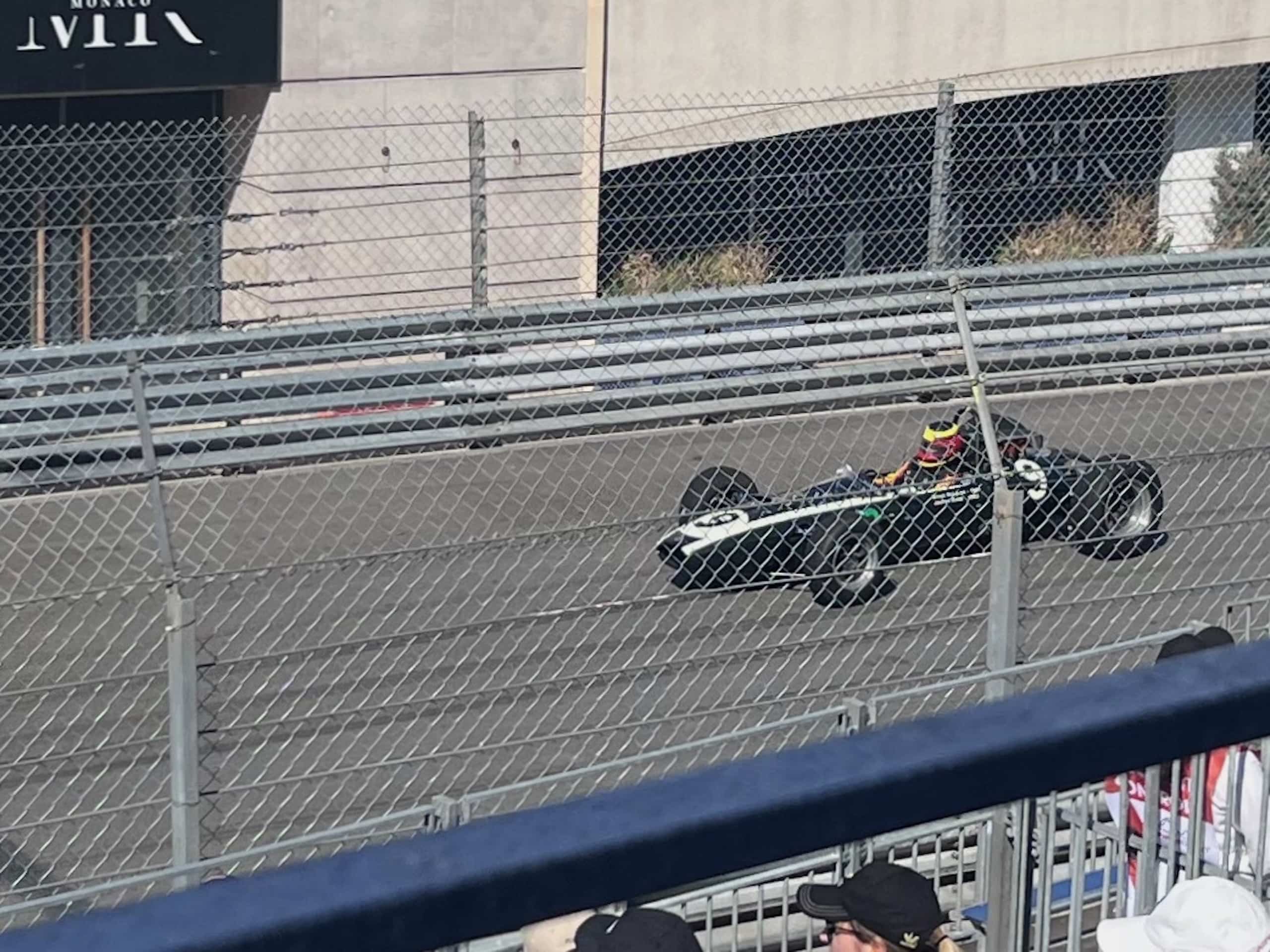
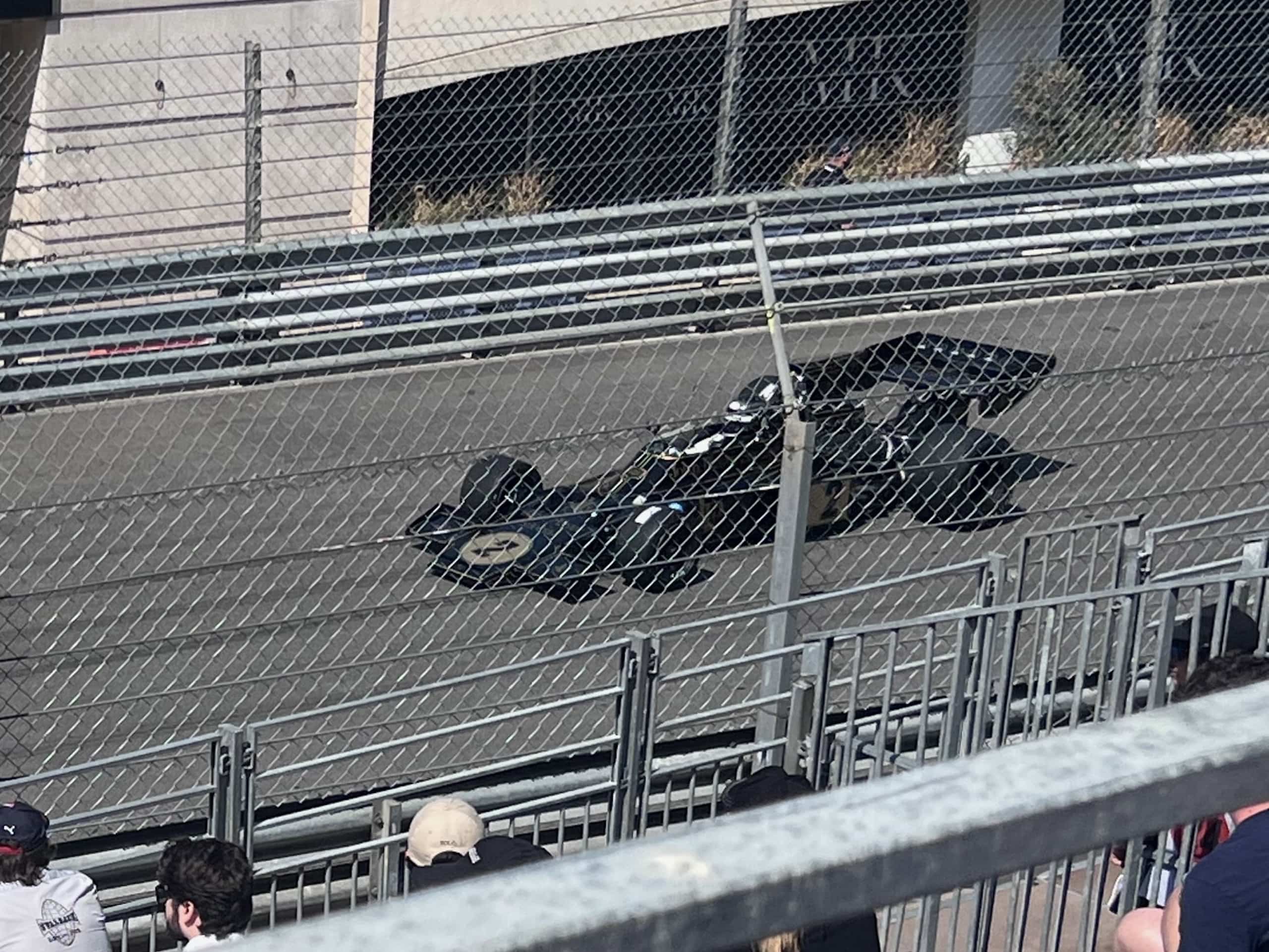
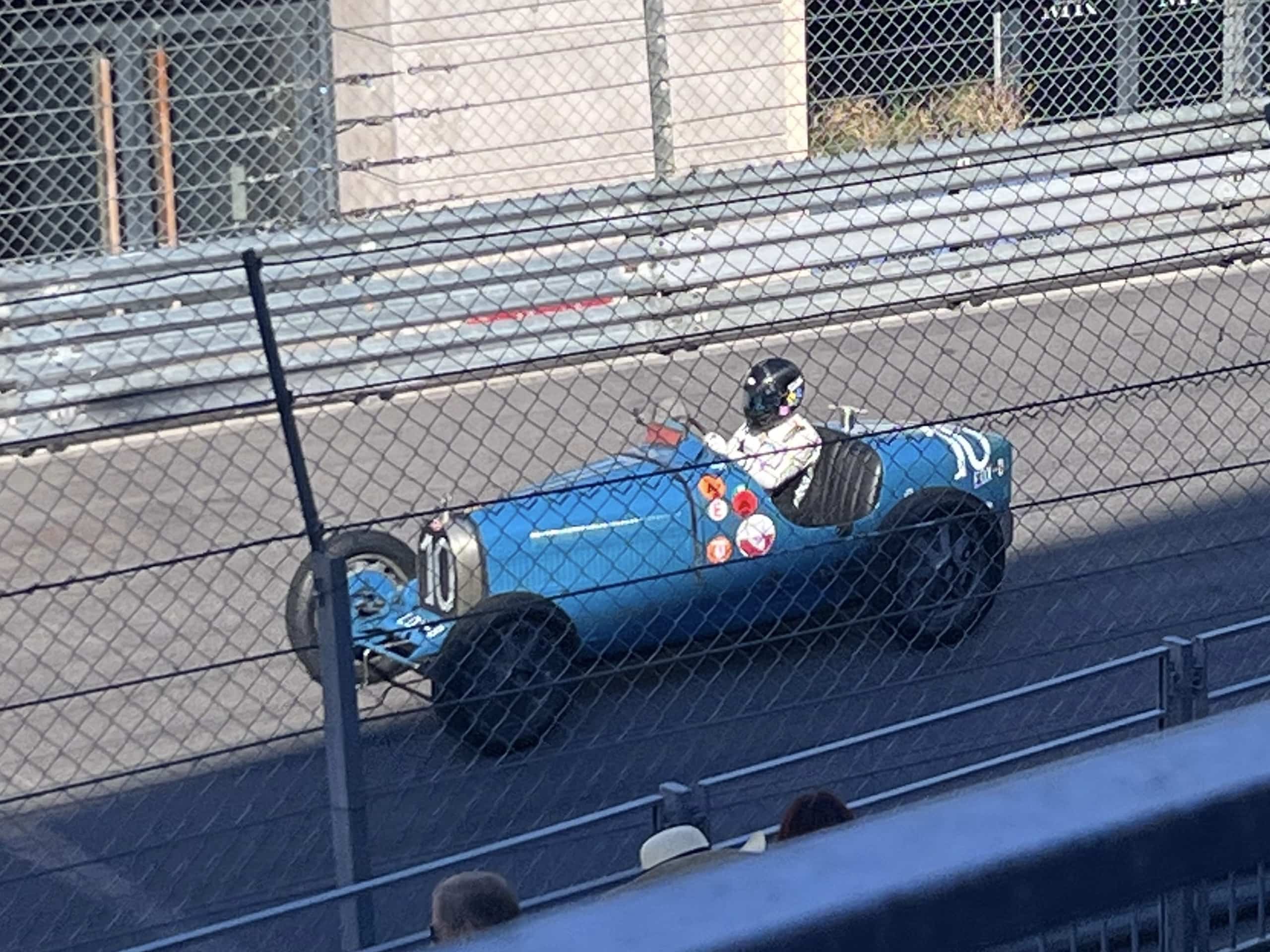
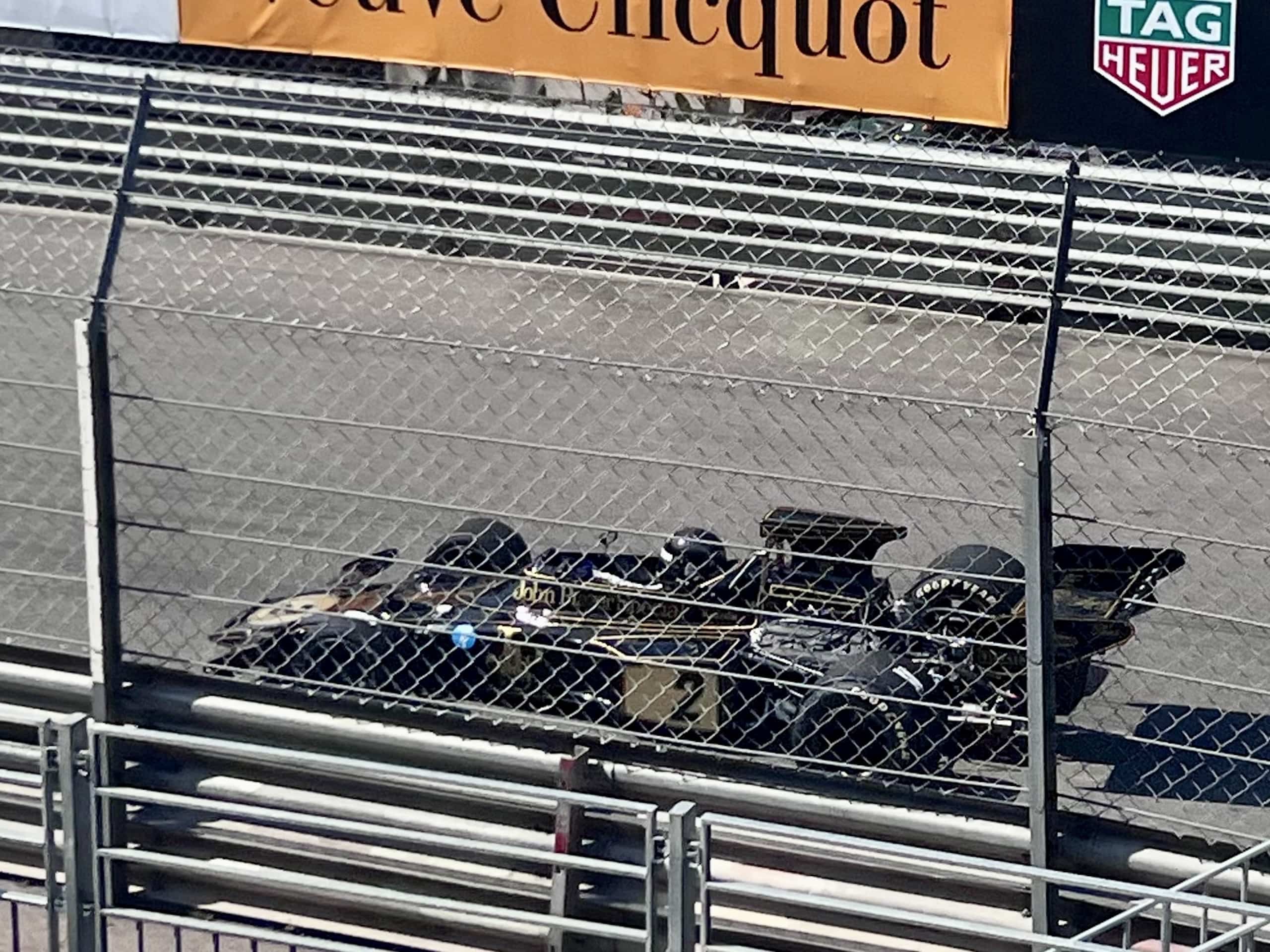
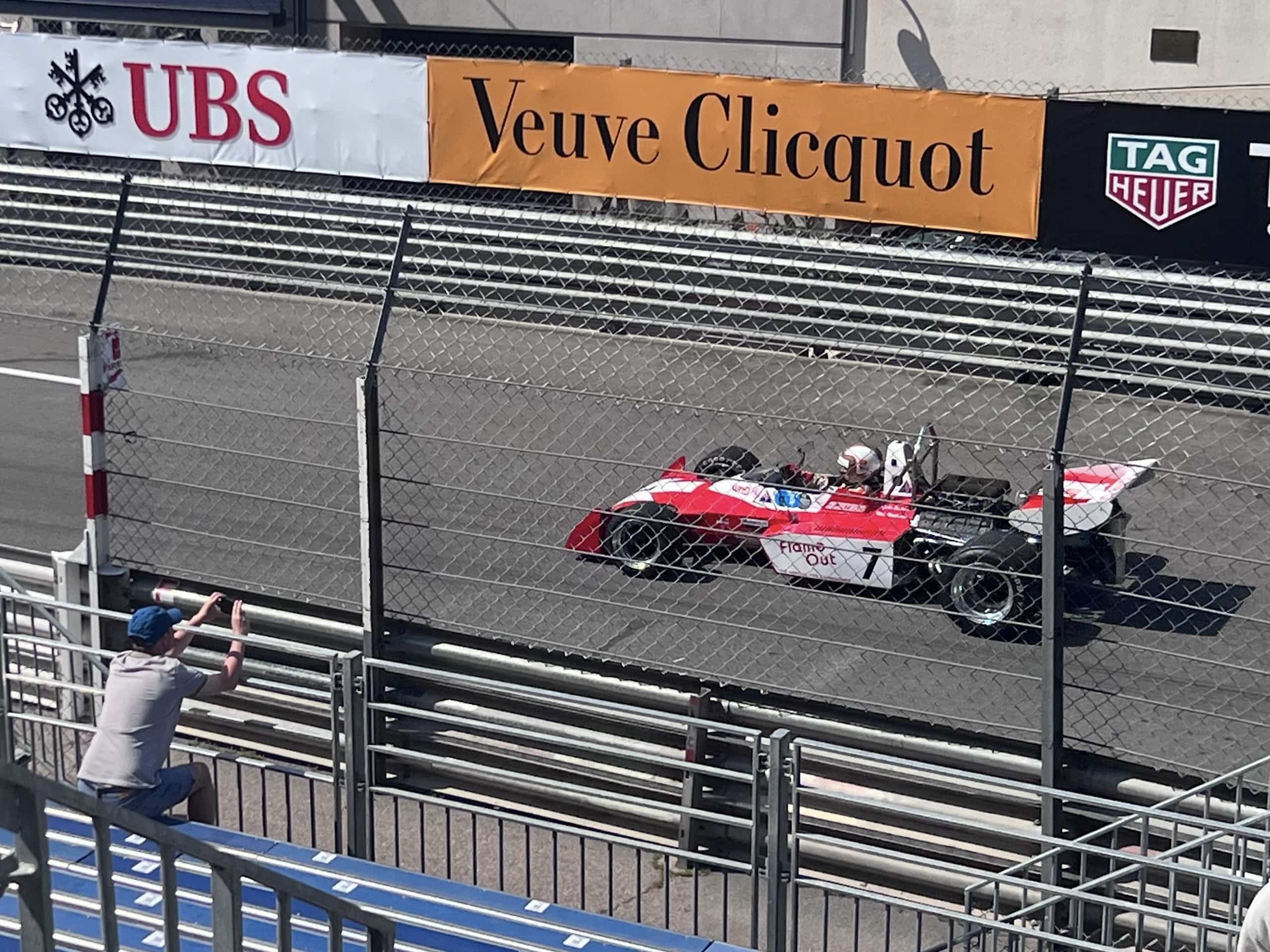
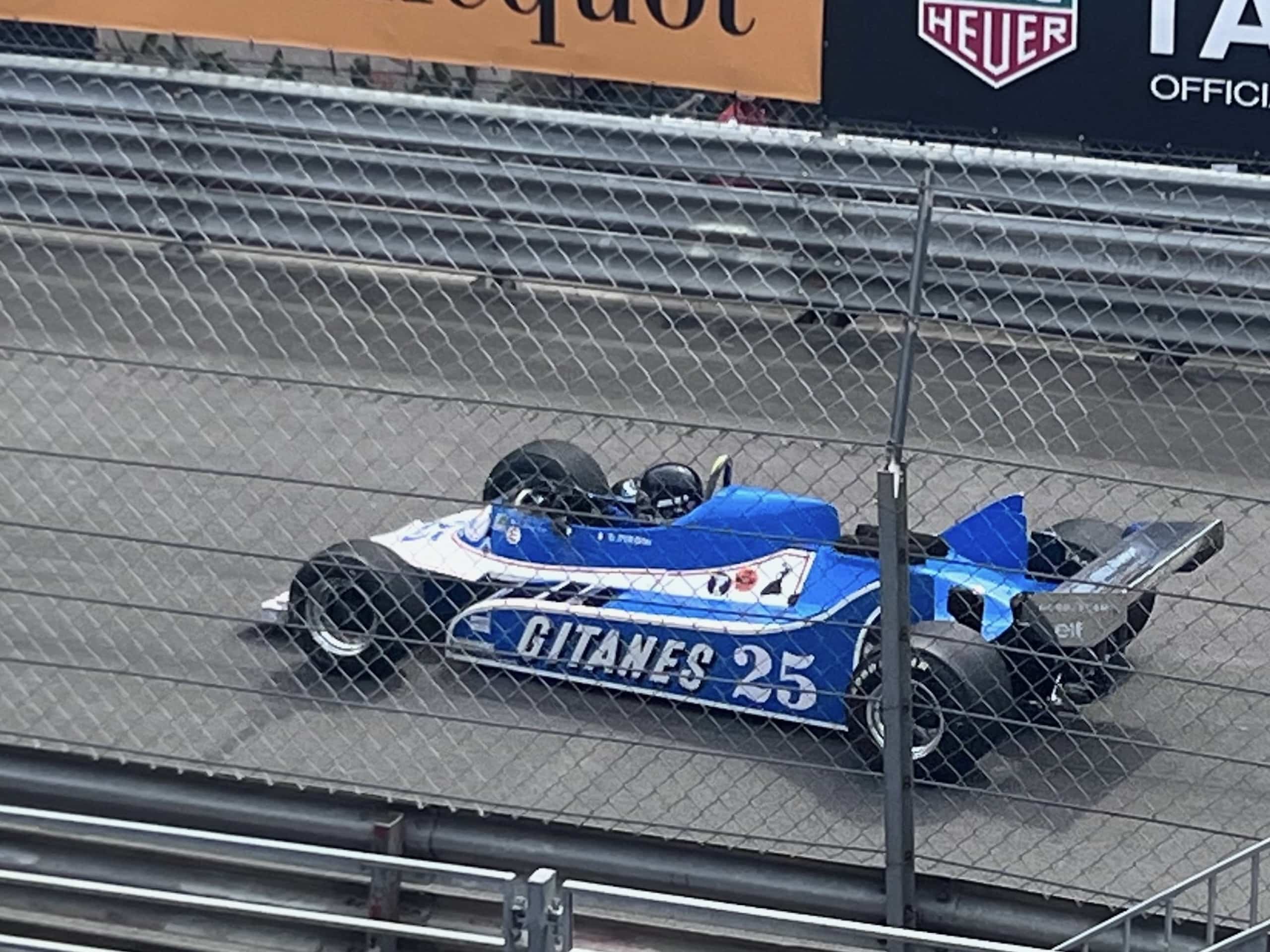
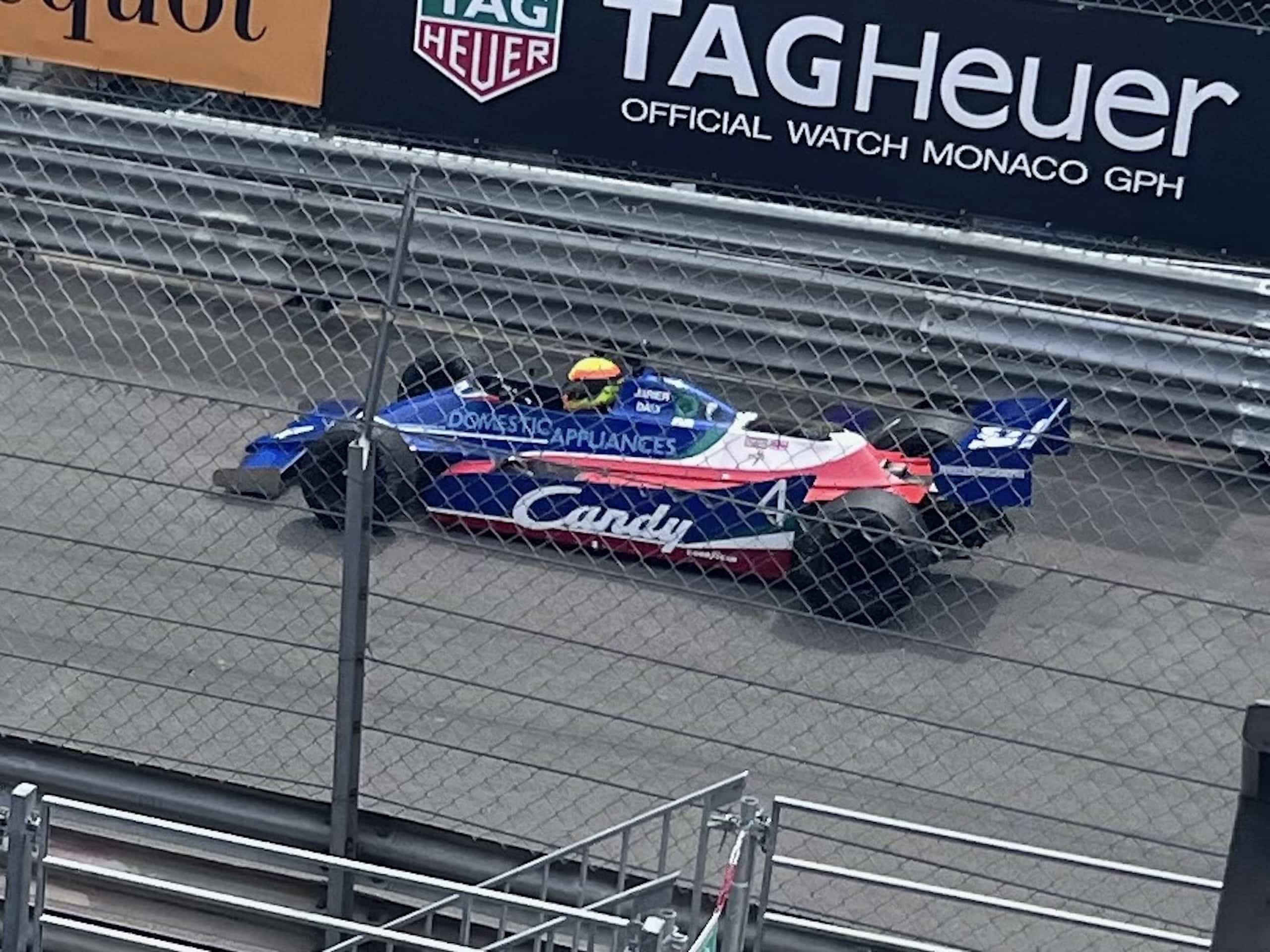
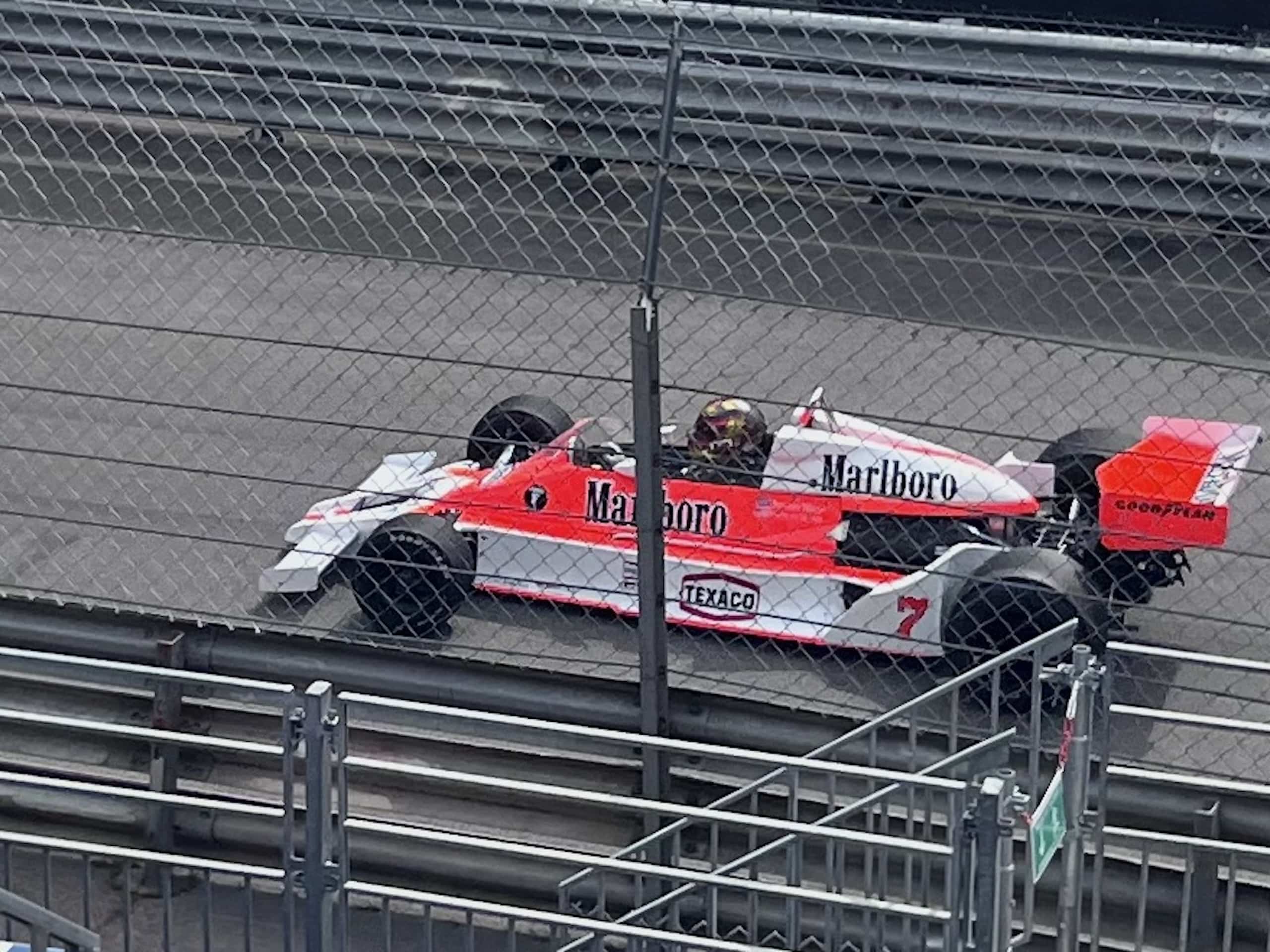
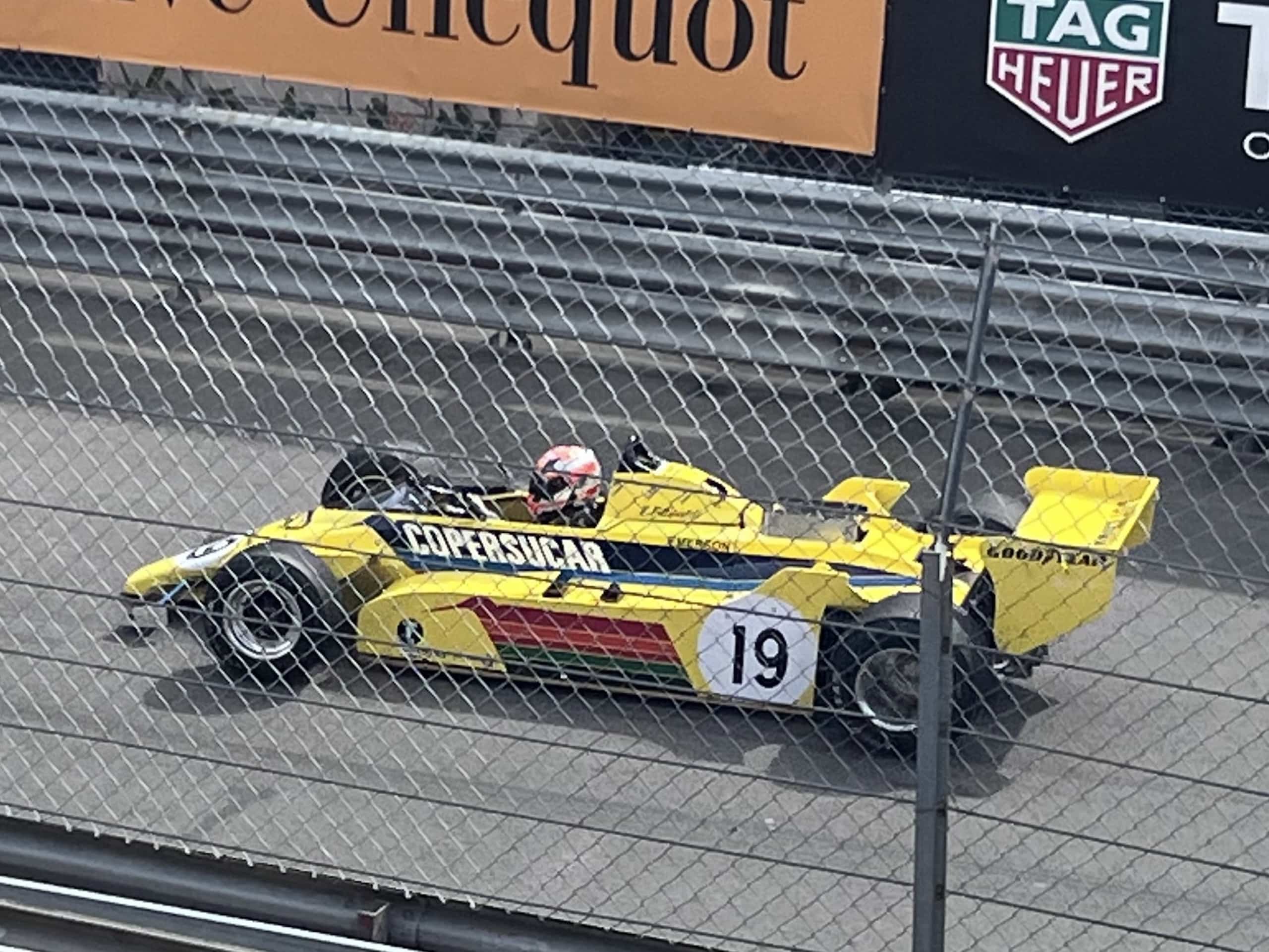
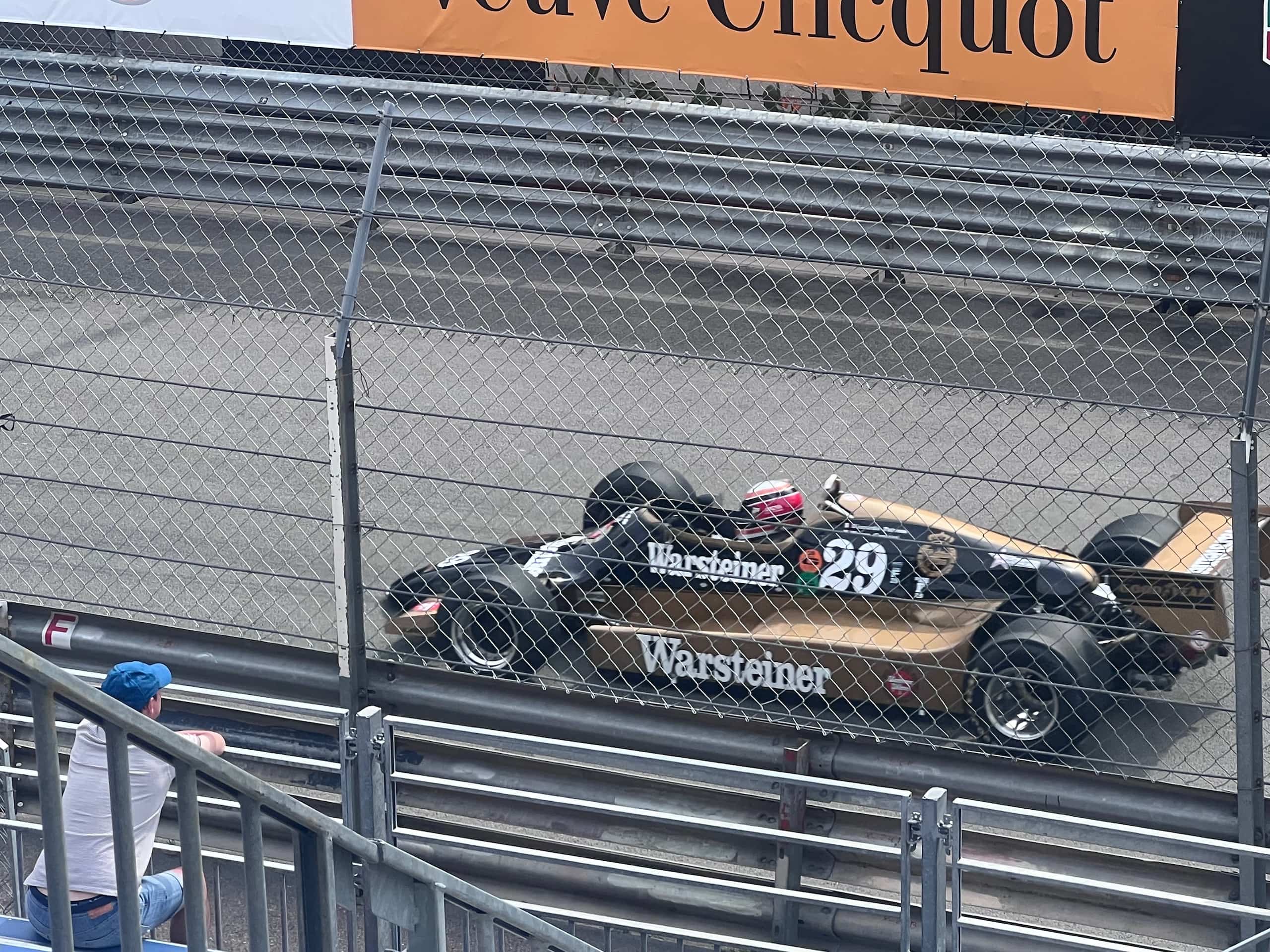
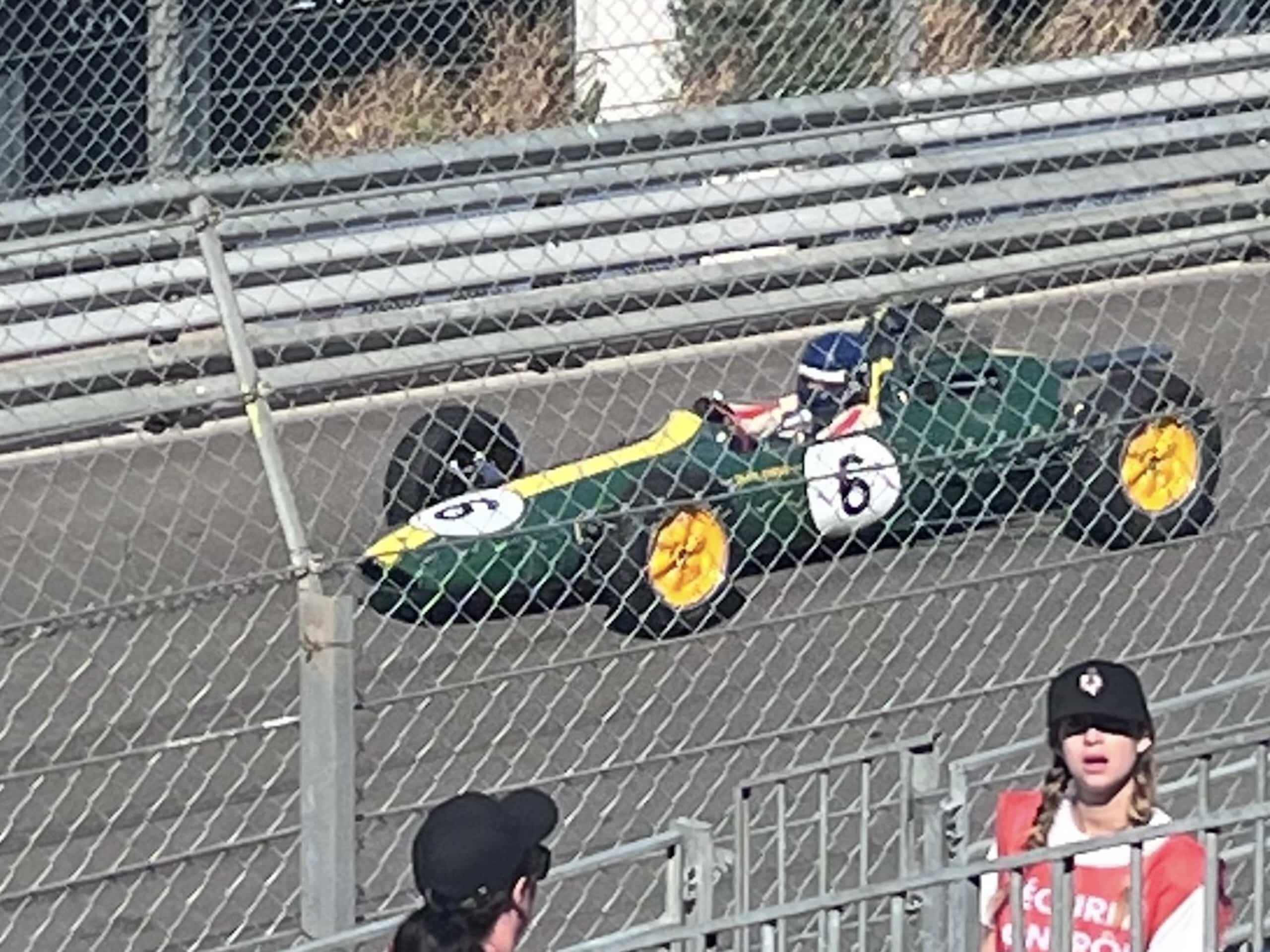
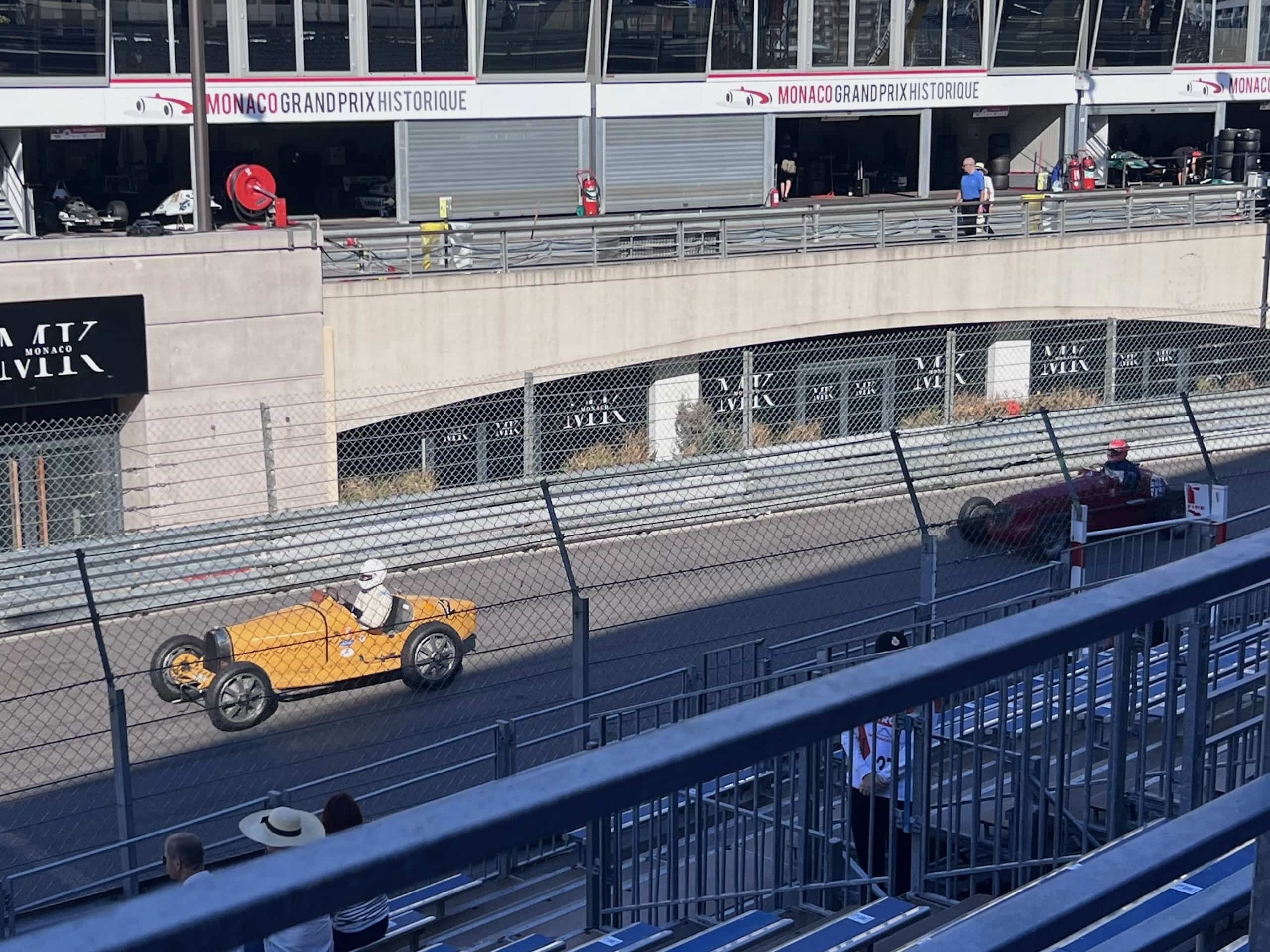
Sports Racing Cars
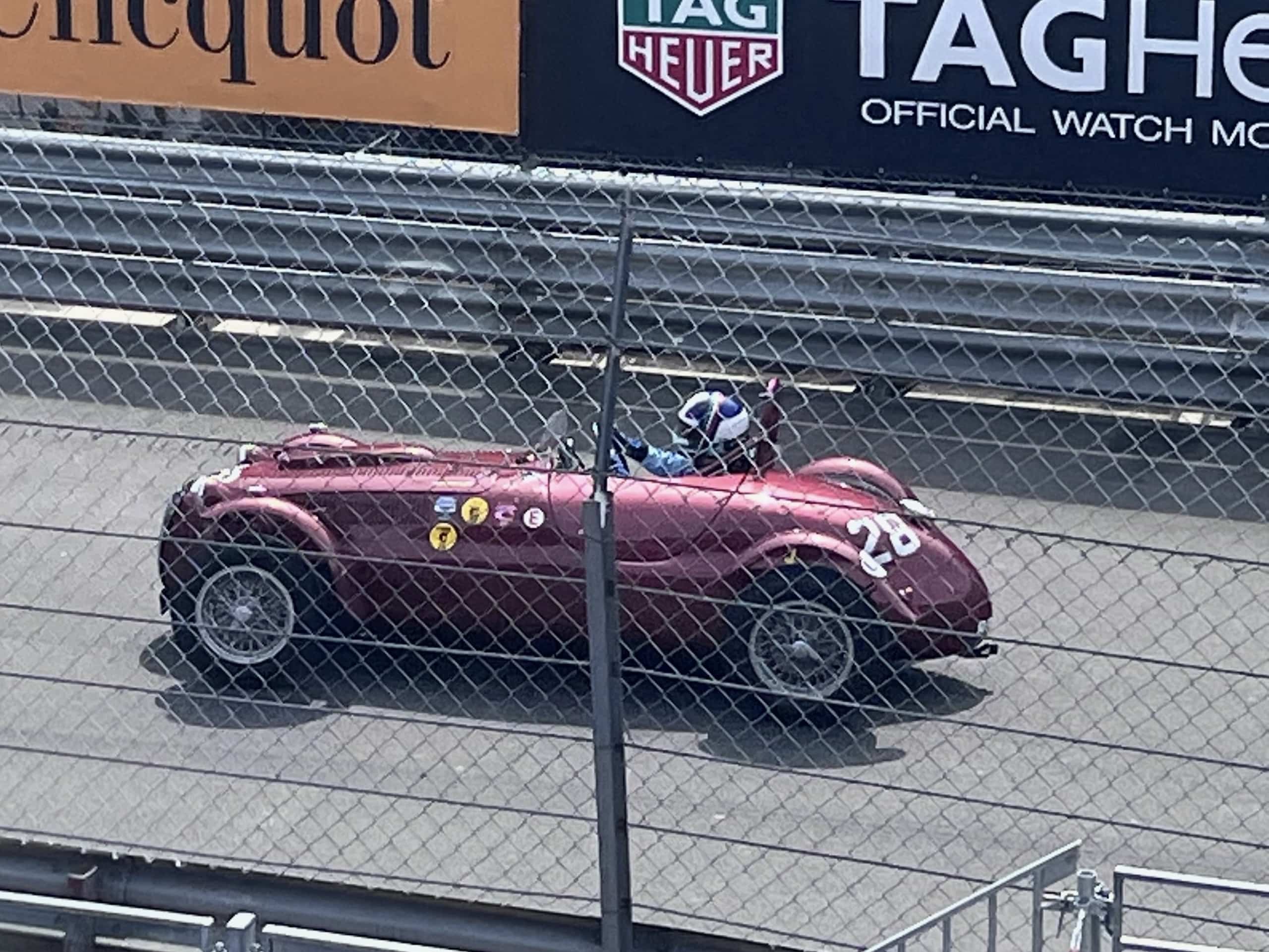
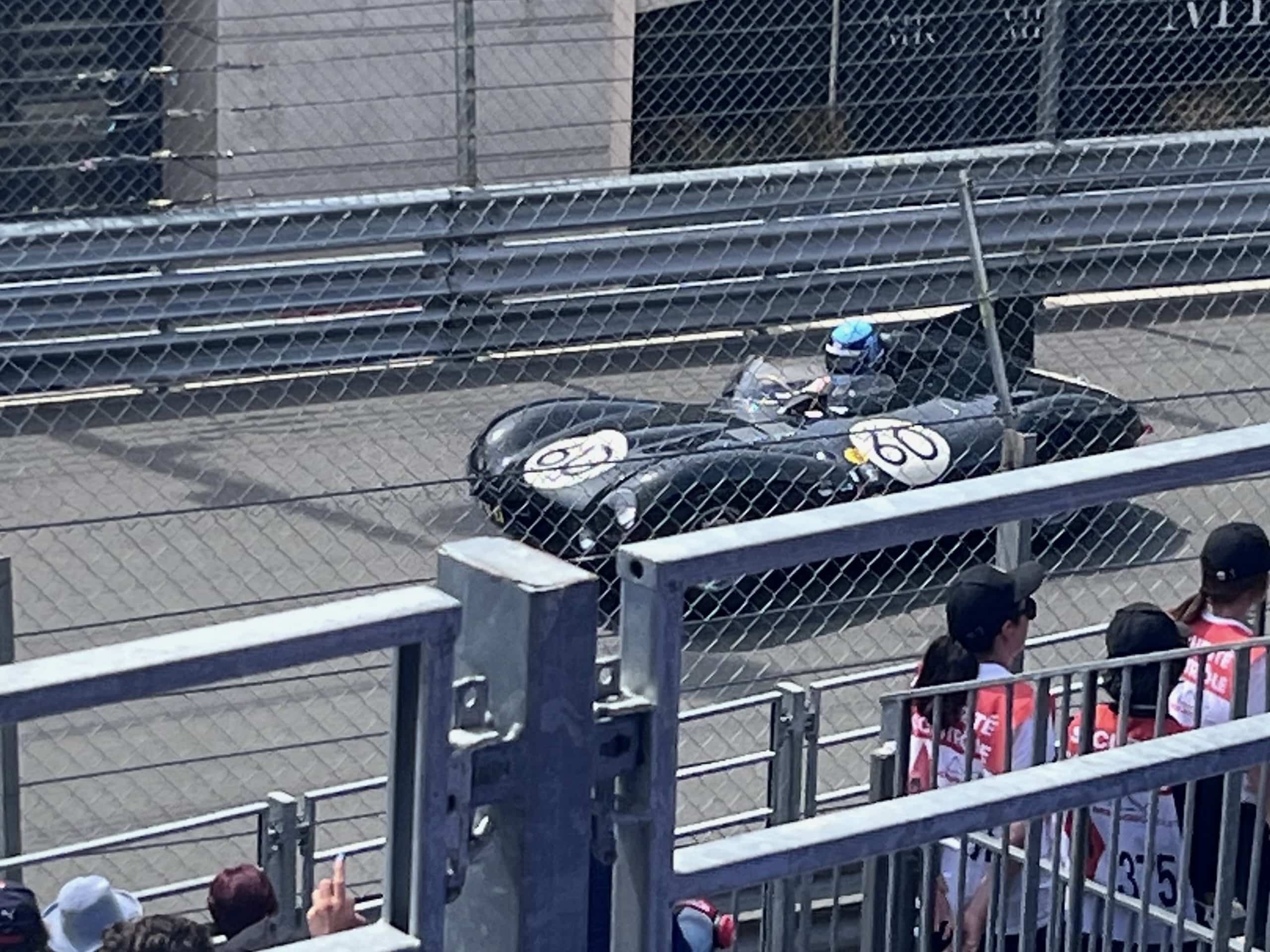
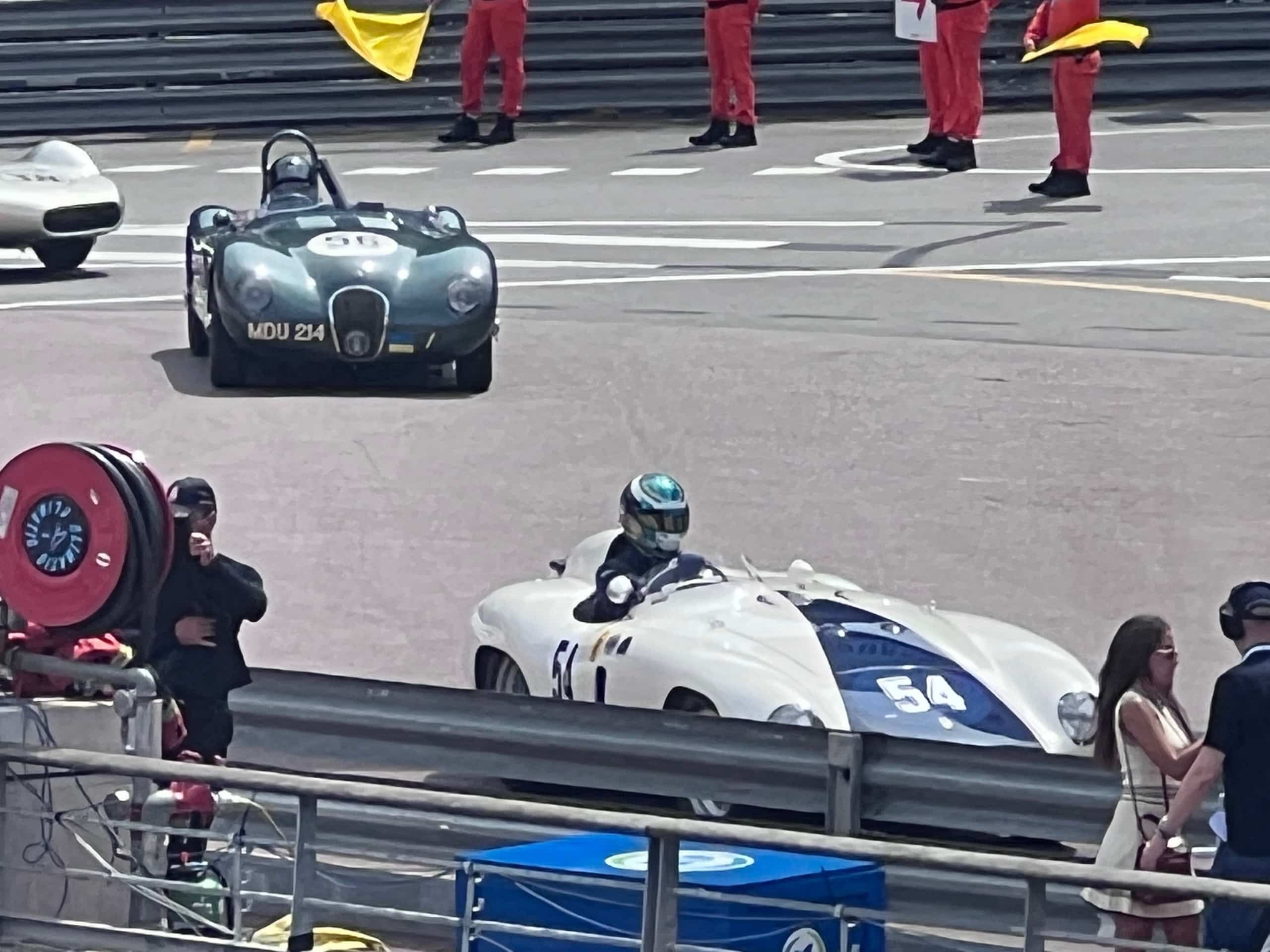
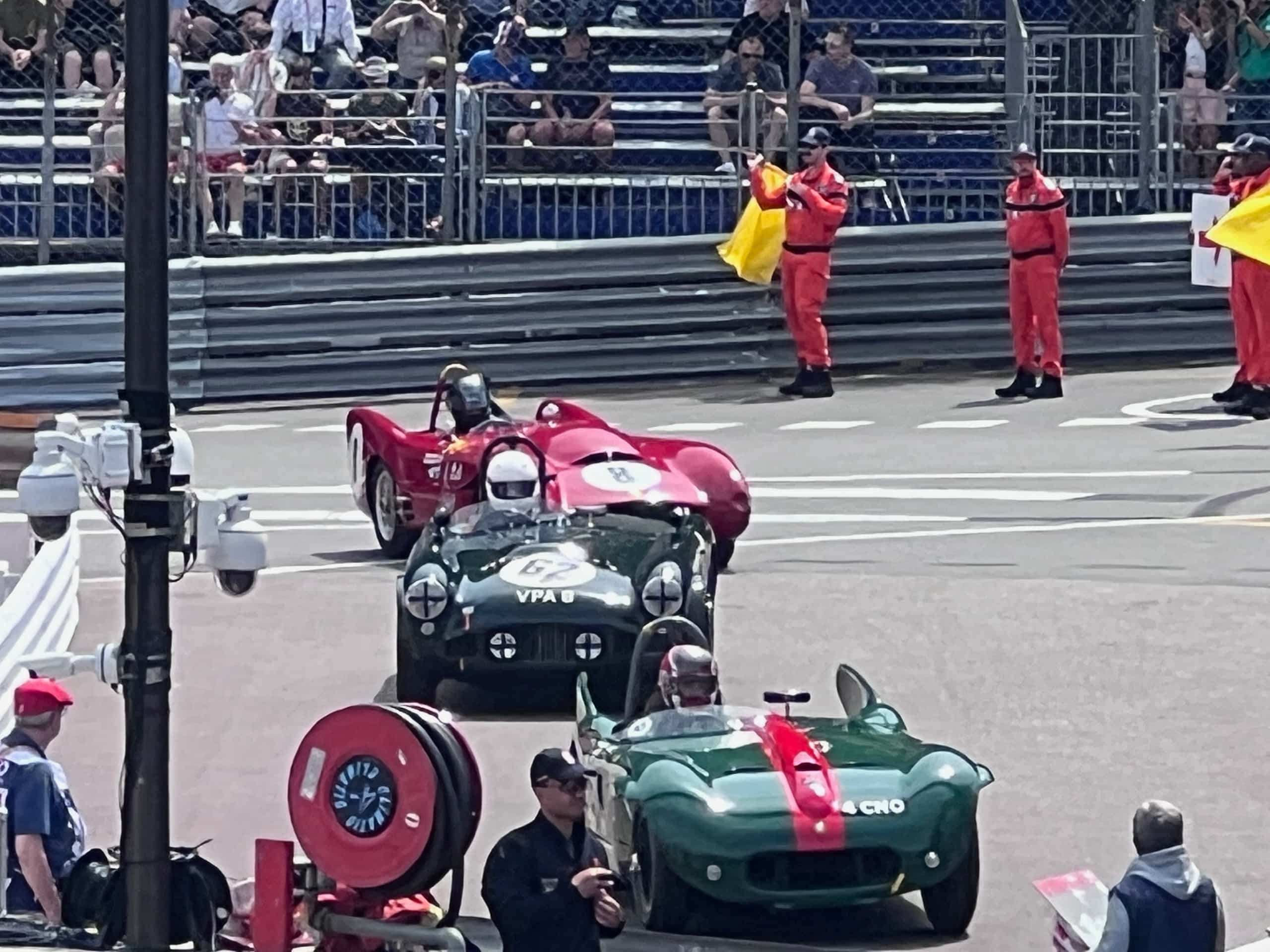
Alongside the Formula One cars, the sports racing classes provided some of the most characterful machines of the weekend.
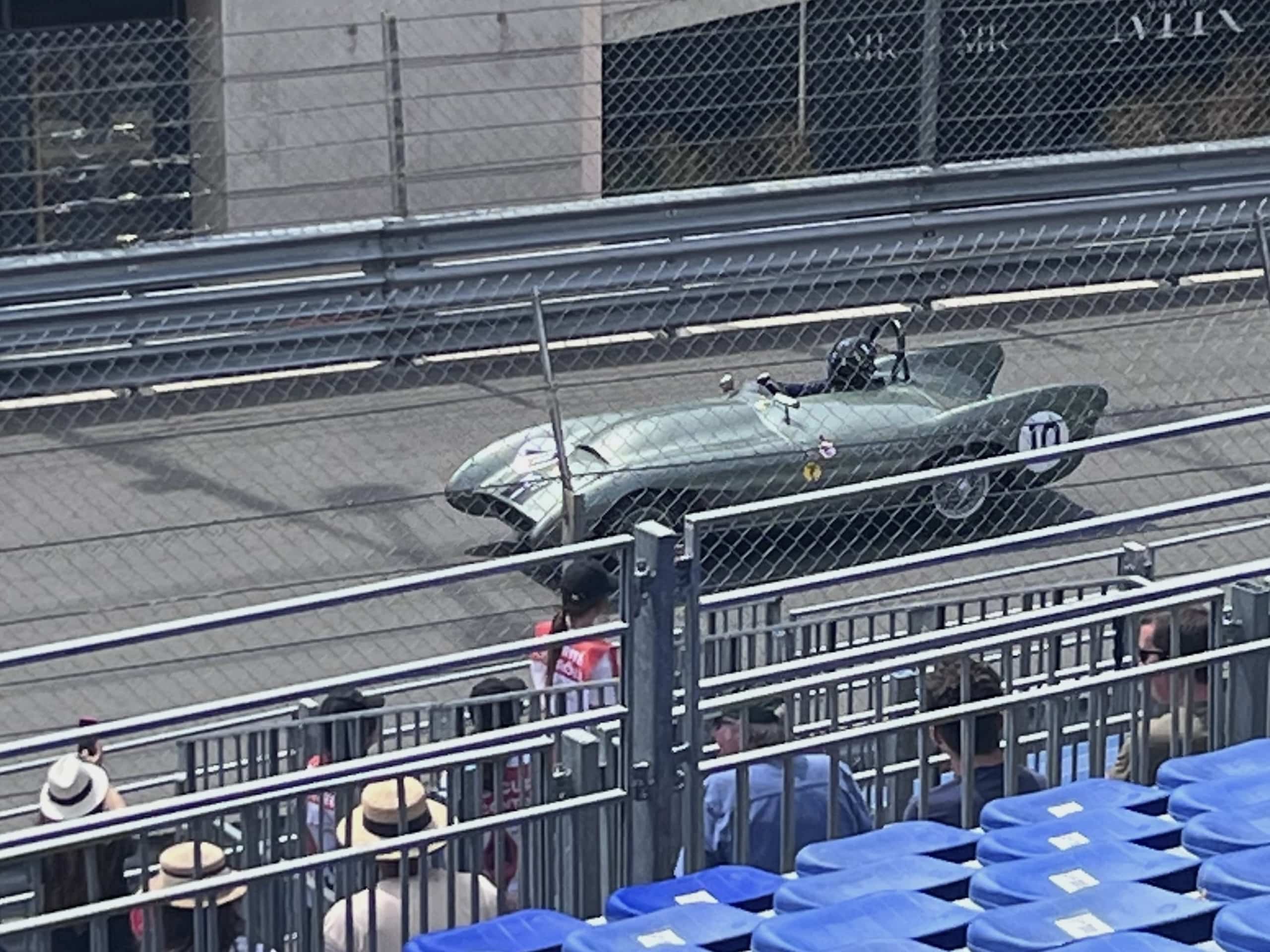
Open-top sports cars from the early 1950s through to the late 1950s filled the circuit with noise, movement and personality. Cars like the Maserati 300S, Jaguar D-Type, Ferrari sports prototypes and elegant Lotus sports racers looked every bit as dramatic as they sounded.
Many of these cars seemed almost exaggerated in their styling — long noses, exposed wheels and bodywork that looked hand-shaped rather than designed on a computer. They felt closer to works of art than racing machines.
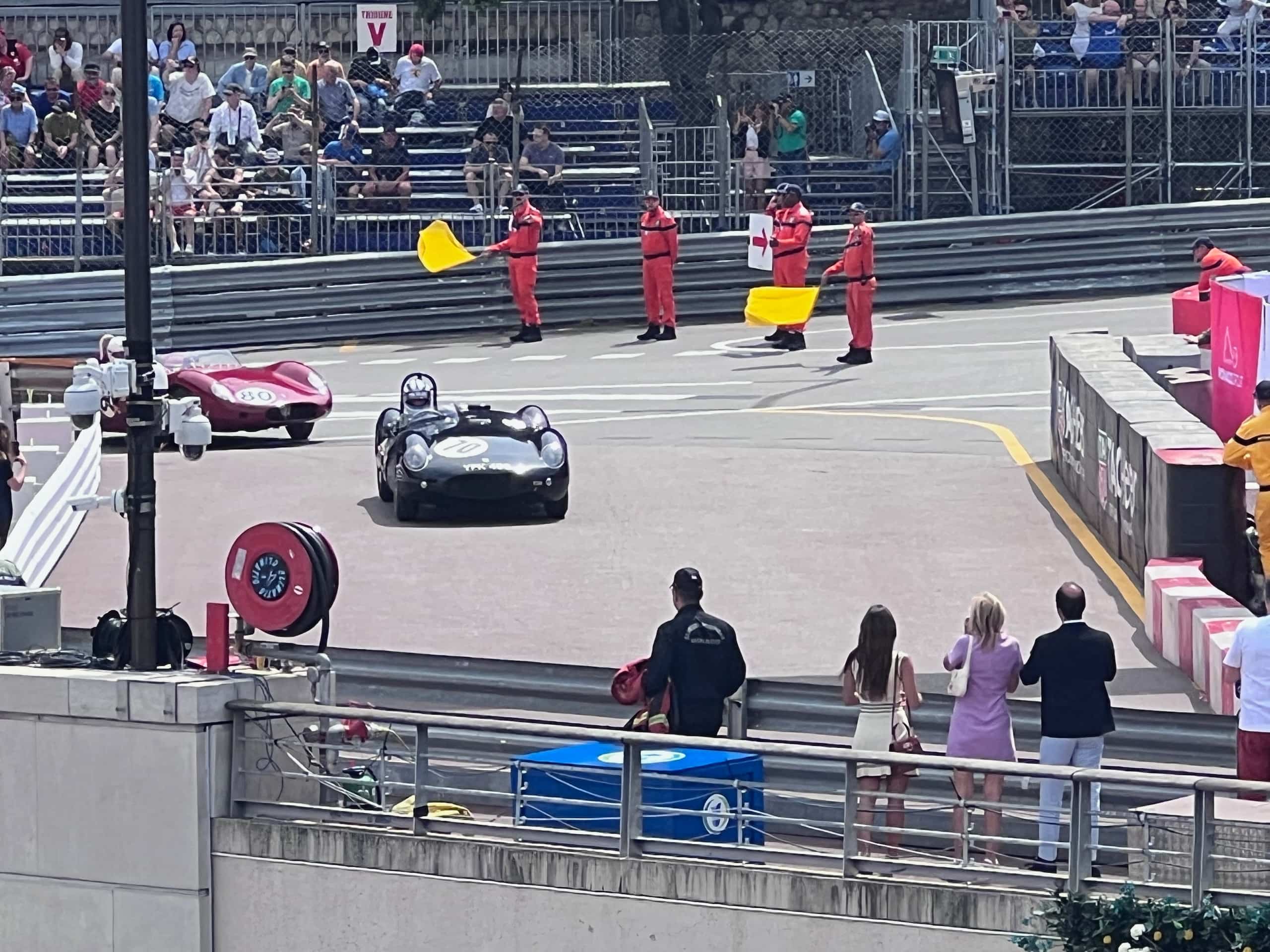
Video: Sound and Motion
Some things just don’t translate properly in still images — the sound, the way the cars move, and the sheer presence of them on Monaco’s narrow streets.
I’ve included a selection of videos below, filmed throughout the day, which give a better sense of what it was actually like standing trackside as these cars came past.
Back to the Story
If you’ve landed on this page first and want the full context — the journey to Monaco, the grandstand views, and how the day unfolded — you can read the main Monaco Classic Grand Prix post here.
Together, the two posts form a complete record of one of the standout days of our South of France road trip.
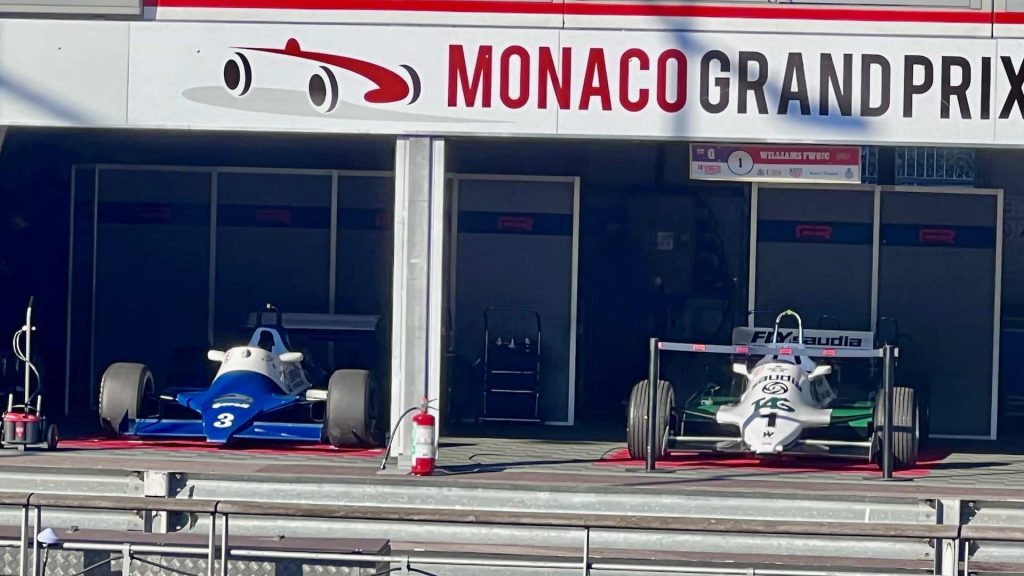 Monaco Classic Grand Prix: Vintage Racing, Tunnels & a Close Call
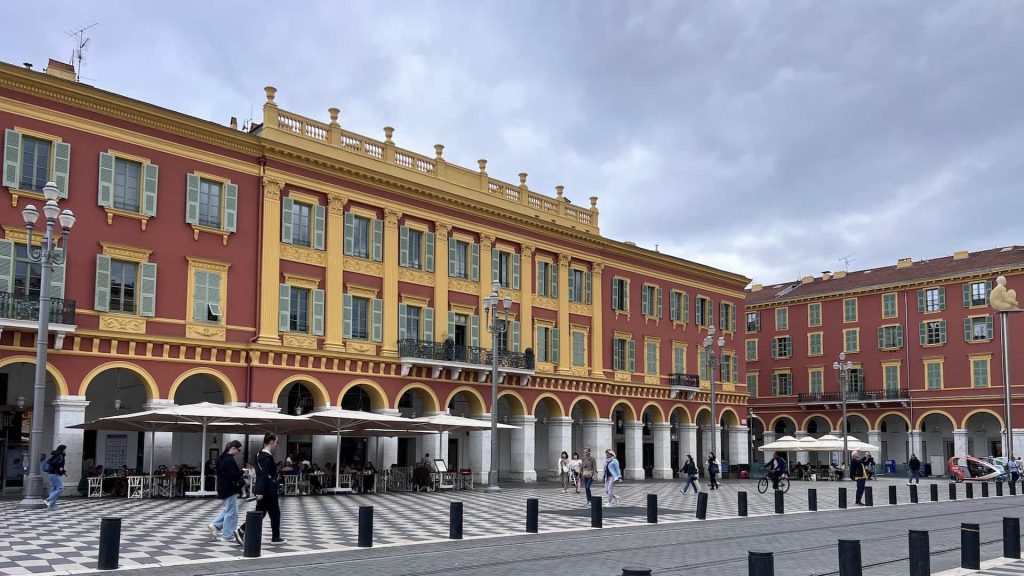 Relaxing on the French Riviera: Saint-Raphaël, Saint-Tropez & Nice